
Why Is There Lint Behind My Dryer?
Lint behind a dryer may come from ordinary laundry dust, a loose connection, crushed transition duct, appliance leakage, or restricted exhaust. Learn what to check.
The short answer
As of August 2026, lint behind a dryer does not automatically mean the concealed vent is clogged. Some lint falls while the lint screen is handled or clothes are moved. A concentrated trail near the dryer outlet or transition connection can also indicate escaping exhaust, a loose joint, damaged material, or a connection crushed behind the appliance.
Three real AirDuctVet field photos
These authentic AirDuctVet job photos were selected for this topic. We do not use repeated AI artwork or stock photography.
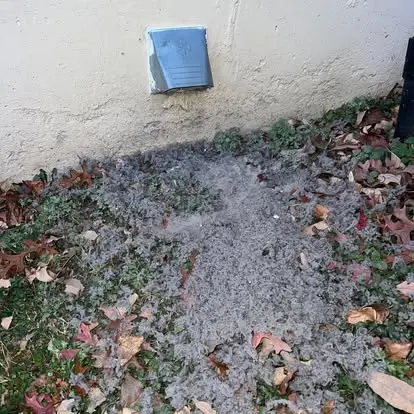 Real AirDuctVet photo
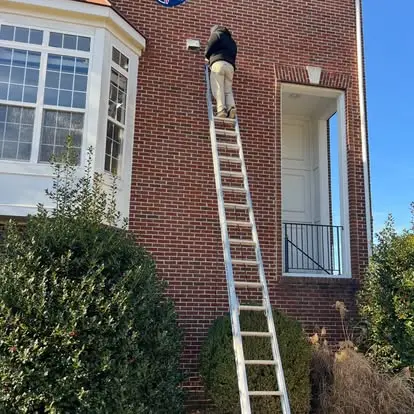 Real AirDuctVet photo
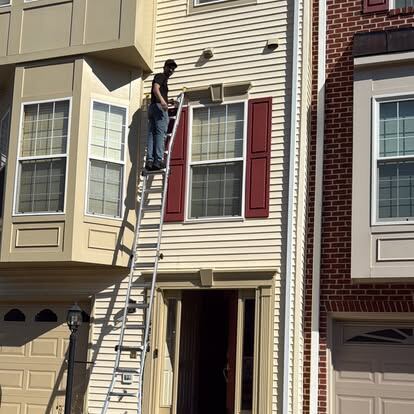 Real AirDuctVet photo
Clear, practical guidance: General education cannot replace an on-site inspection. We separate routine maintenance from conditions that need an HVAC, appliance, chimney, mold, or restoration specialist.
What causes lint to collect behind a dryer?
Small amounts of loose fiber can fall from clothing, the lint screen, or the top of the appliance. This material may collect behind the dryer because the area is difficult to vacuum during routine cleaning.
A larger or recurring pile close to the exhaust connection deserves attention. Air may be leaking from a loose clamp, torn transition duct, separated joint, or appliance opening before the exhaust reaches the wall duct.
Can a crushed transition duct cause lint leakage?
Yes. Pushing the dryer too close to the wall can flatten or sharply bend the transition connection. Restricted airflow can encourage lint to collect at the bend, and damaged material can release exhaust into the laundry area.
The connection should use material permitted for the appliance and installation. Plastic, damaged foil, excessive length, screws protruding into the airflow path, and improvised tape repairs should be evaluated by an appropriate qualified professional.
What warning signs should accompany a dryer vent inspection?
Repeated long cycles, unusual heat, weak exterior airflow, a damper that does not open normally, moisture remaining in normal loads, or an appliance airflow warning can support an inspection. These symptoms can also involve the dryer, outlet cap, booster fan, route design, or damaged ductwork.
Stop using the dryer and seek urgent qualified help if you notice smoke, sparks, or a burning odor. Routine cleaning should not be used to dismiss an active electrical or appliance concern.
What can you check safely before scheduling service?
Turn the appliance off and avoid moving a heavy or stacked dryer without the correct help. Photograph the lint location, accessible transition connection, laundry closet clearance, and exterior termination if it can be viewed safely from the ground.
- Note whether the lint returns after the area is cleaned.
- Check for a visibly loose connection without reaching behind a hot or energized appliance.
- Record any drying, heat, odor, or airflow warning symptoms.
- Do not run a leaf blower, plumbing snake, or uncontained brush through the route.
When can AirDuctVet dryer vent cleaning help?
For a qualifying accessible route, AirDuctVet uses rotating-brush cleaning with simultaneous vacuum extraction and checks the accessible connection, exterior termination, damper, and airflow condition. Cleaning can remove accessible lint but cannot repair a torn transition, reconnect hidden ductwork, shorten an improper route, or fix the dryer itself.
Send the full address, property type, dryer floor, outlet location, photos, and symptoms with the quote request. AirDuctVet can then determine whether cleaning, special access, duct repair, or appliance service should come first.