People-first content, checked against real serviceAuthorship, evidence, real photos, safety limits, updates, and corrections
AirDuctVet Editorial Standards
These standards explain how AirDuctVet creates and reviews service pages, local pages, guides, case-study summaries, photos, and safety information before publication.
Our educational content distinguishes routine cleaning from repair, testing, diagnosis, remediation, wildlife work, and other specialist services.
A microbiology background informs indoor-air-quality education, but it is never presented as a medical diagnosis or mold-remediation license.
Photographed on real jobs
The real field work behind our content
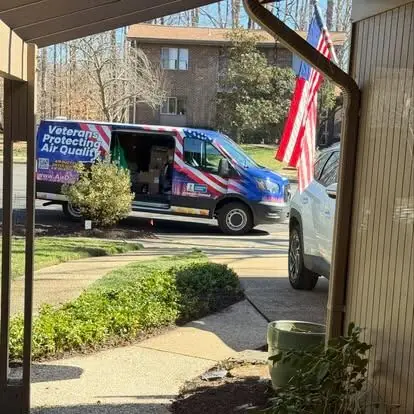
AirDuctVet service guidance is supported by authentic company photos, current equipment, accessible job conditions, and the limits our technicians encounter in the field.
Real AirDuctVet photo
Prepared for property access
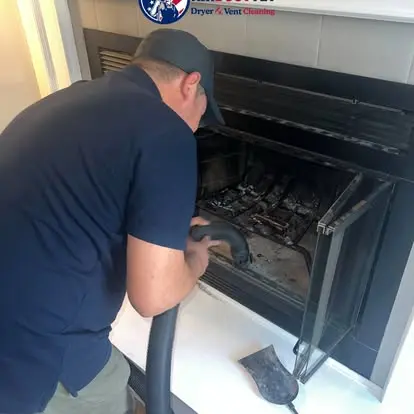
Real AirDuctVet photo
Fireplace and chimney cleaning setup
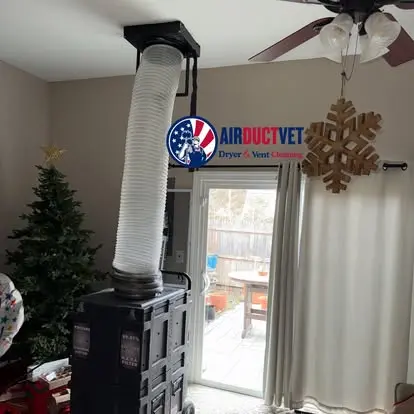
Real AirDuctVet photo
Controlled negative-air connection
How content earns its place
Standards applied across every page type
Our goal is useful, verifiable guidance that helps a homeowner, business, HOA, or property manager understand the service before requesting a quote. Search visibility never justifies a false credential, copied city page, exaggerated result, or unsupported safety claim.
01
Field-reviewed service information
Service descriptions are reviewed against AirDuctVet equipment, current scope, access limits, and field procedures. The AirDuctVet Team byline identifies content prepared or reviewed under veteran-owned company leadership, not an anonymous medical or engineering authority.
02
Evidence before marketing claims
We do not publish invented credentials, unsupported years in business, guaranteed medical outcomes, guaranteed energy savings, or claims that cleaning repairs an HVAC, appliance, chimney, moisture, or structural problem. Verified business credentials are separated from trade licenses and certifications we do not hold.
03
Real photos with honest context
AirDuctVet uses company-owned field photos of technicians, equipment, duct conditions, dryer vents, exterior access, and completed service work. Alt text describes the visible subject and page topic without claiming a result the photo cannot prove.
04
People-first local pages
A service-area page must represent a place AirDuctVet actually serves and give customers a useful local office, phone number, service context, access considerations, and next step. We consolidate pages that repeat the same intent instead of creating thin city pages only for search engines.
Editorial review checklist
What we check before and after publication
Confirm the page has one clear purpose and a distinct focus phrase that matches customer intent.
Check the service scope against current AirDuctVet equipment, access rules, service areas, and customer protections.
Use cautious language for mold, odors, allergens, airflow, energy use, fire risk, health, and building conditions.
Verify titles, descriptions, headings, internal links, local phone routing, structured data, image alt text, and canonical URLs.
Update, consolidate, redirect, or retire older material when it no longer reflects the current service or adds independent value.
Sources, corrections, and updates
How older information is handled
When a technical statement depends on outside evidence, we favor official public agencies, applicable manufacturer instructions, and direct documentation over anonymous summaries. We do not copy third-party wording or treat a marketing claim as an independent source.
Older articles are reviewed for current services, claims, links, and overlap. A useful article may be rewritten or connected to a maintained guide. A repetitive, out-of-market, or inaccurate article is consolidated through a permanent redirect so customers and search engines reach one stronger resource.
To report an error, outdated statement, missing attribution, or photo concern, use our secure contact form and include the page address and specific correction. The team will review the source and update or remove the material when warranted.