
Routine negative-air cleaning
HEPA negative-air suction, the supply and return scope listed in your quote, register cleaning, and an accessible HVAC visual review.
Source-removal cleaning designed to reduce loose dust and debris while protecting your HVAC system.
System count, buildup, construction debris, and access help us confirm the right scope.
Commercial properties: Inspections are free.
Residential properties: The inspection fee is credited toward your total quoted service price after the service is completed.
HEPA negative-air suction, the supply and return scope listed in your quote, register cleaning, and an accessible HVAC visual review.
Extensive brushing and air whips, sanitizing, and coil cleaning are separate services. Coil cleaning is not included unless requested.
System count, heavy buildup, duct material, inaccessible sections, and access requirements determine the suitable method and final scope.
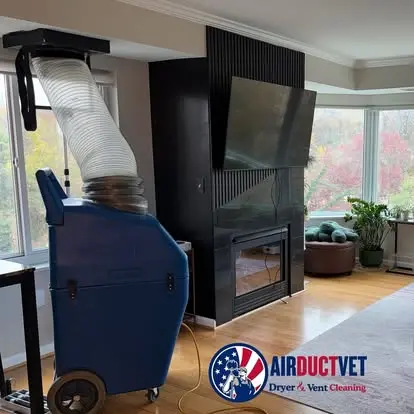
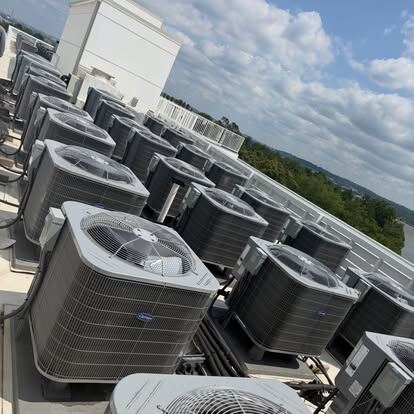
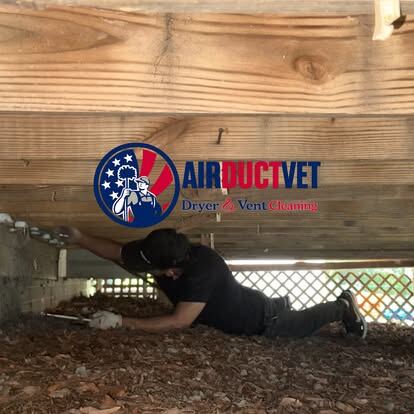
Three authentic AirDuctVet field photos selected for this service and optimized for fast loading.
 Real AirDuctVet photo
 Real AirDuctVet photo
 Real AirDuctVet photo
We connect a commercial HEPA negative-air machine to your duct system and clean accessible registers and system areas. When a system has heavy buildup, construction debris, sticky contamination, or objects in the ductwork, we explain the more extensive vent-by-vent option before any additional work.
As of August 2026, AirDuctVet uses commercial HEPA negative-air equipment for routine source removal of accessible loose dust and debris. Heavy construction debris, sticky contamination, objects, or buildup that cannot be removed through the routine scope may require a separately approved vent-by-vent brushing and compressed-air process. AirDuctVet explains the visible condition, access limits, and added scope before additional work begins.
As of August 2026, general professional market estimates commonly place air duct cleaning between $350 and $800 per HVAC system for an average-sized single-family home.
These figures describe broad professional market ranges, not an advertised or guaranteed AirDuctVet price. AirDuctVet does not promise a final price from a market estimate. The quote depends on whether the property is a house, townhome, condo, apartment, commercial property, or managed building, plus the state, access, condition, and exact work requested.
Extensive cleaning is additional: If inspection shows that work beyond the routine cleaning scope is needed or the customer requests it, the extensive cleaning is quoted and charged separately. AirDuctVet completes no added work without customer approval.
Sanitizing is an add-on: Sanitizing is not included in the air duct cleaning market estimate. It is an optional, separately quoted treatment used only when appropriate and approved.
| Work | How it is handled |
|---|---|
| Approved duct cleaning | The listed supply and return scope, register cleaning, and accessible HVAC visual review using the method confirmed in your quote. |
| Coil cleaning | Not included unless you specifically request it. Coil access and condition must be evaluated, and the additional work must appear in your approved written scope. |
| Extensive cleaning and sanitizing | Separately quoted when needed or requested. No additional treatment or work without your approval. |
| Repairs and specialist services | Filter replacement, equipment repairs, mold remediation, inaccessible ductwork, and restoration are excluded unless expressly listed in a separate qualified scope. |
Use the closest city page for local building, access, office, and scheduling details. AirDuctVet confirms the exact address and scope before an appointment.
A fixed number of years does not determine whether your air ducts need cleaning. We review accessible conditions and explain whether cleaning, maintenance, repair, or a specialist assessment fits the problem.
Read EPA’s guidance on when air duct cleaning may be appropriate. Reviewed October 10, 2026.
The correct air duct cleaning method depends on what is inside the system and how the ductwork can be accessed. AirDuctVet uses the least extensive method that can responsibly address the documented condition.
| Condition | HEPA negative-air source removal | Vent-by-vent brushing and agitation |
|---|---|---|
| Routine loose dust and ordinary maintenance | Common starting method | Usually not necessary |
| Renovation or construction debris | May remove loose material | May be recommended when debris remains |
| Sticky buildup or lodged objects | Often insufficient by itself | Condition-specific access and approval required |
| Wet, damaged, or contaminated porous duct material | Cleaning may not be appropriate | Replacement or specialist evaluation may be required |
Visible dust returning soon after cleaning
Recent remodeling or drywall work
Pet hair or debris around registers
Inspection identifies excessive dust or debris inside accessible ductwork
Inspect the system and protect floors and nearby surfaces.
Create controlled negative pressure with commercial HEPA equipment.
Clean registers and remove loose dust and debris from the duct system.
Inspect accessible HVAC areas and review the results with you.
No single cleaning interval fits every home. EPA recommends air duct cleaning only as needed, rather than routinely. AirDuctVet bases recommendations on the documented duct condition, debris, recent construction, moisture concerns, and access. A light layer of household dust alone does not establish a health risk; damaged or contaminated material may require a qualified specialist instead of routine cleaning.
Look for an air duct cleaning service near you that explains the source-removal method, equipment, full included scope, access limitations, and quote before work begins. Ask for proof of insurance, documentation, and realistic limits rather than choosing only by an unusually low advertised offer.
Send your property address, HVAC system count, recent construction details, and any photos of visible buildup or access concerns. We will review the information and provide a free quote before you schedule.
Most one-system homes take a few hours. Larger homes, multiple systems, access limitations, and heavier conditions can increase the time.
Cleaning can improve airflow when debris is restricting the system, but temperature differences can also come from leaks, disconnected ducts, insulation, balancing, or HVAC equipment issues. We do not promise that cleaning alone will correct every temperature imbalance.