
Do I Need a Chimney Inspection Before Buying a House?
A chimney inspection before buying a house can document accessible defects, damage, blockages, and scope limits before you rely on the fireplace.
The short answer
Yes. Arrange the appropriate chimney inspection before buying a house, especially when the service history is unknown. NFPA 211 identifies a property sale or transfer as a circumstance for a Level II inspection. A sweep, basic visual check, or limited camera view is not automatically a complete Level II inspection. Before the inspection contingency or due-diligence period ends, confirm the inspector's qualifications, written scope, required access, appliance configuration, reporting standard, and all areas that could not be inspected.
Three real AirDuctVet field photos
These authentic AirDuctVet job photos were selected for this topic. We do not use repeated AI artwork or stock photography.
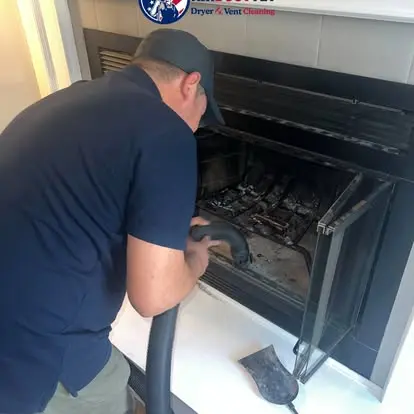 Real AirDuctVet photo
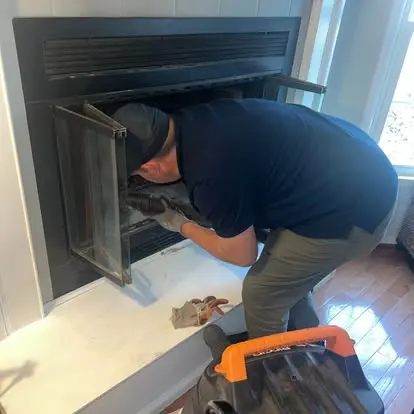 Real AirDuctVet photo
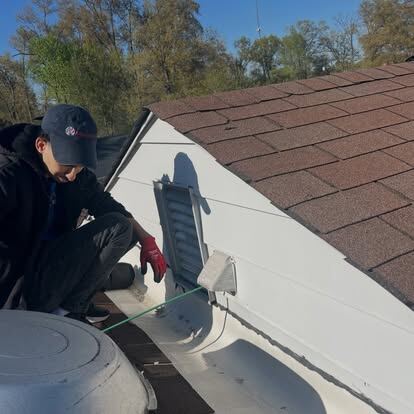 Real AirDuctVet photo
Clear, practical guidance: General education cannot replace an on-site inspection. We separate routine maintenance from conditions that need an HVAC, appliance, chimney, mold, or restoration specialist.
What level of chimney inspection belongs in a home purchase?
NFPA 211 describes three inspection levels and identifies the sale or transfer of property as a circumstance for a Level II inspection. That scope goes beyond an ordinary readily accessible visual check. It includes the areas and components required by the standard and may use video scanning or other means to examine the flue interior when appropriate.
Ask the provider to state in writing whether the service is a Level I, Level II, or another limited assessment. Local adoption, property conditions, fuel type, appliance configuration, access, and the exact service agreement can affect what is required and who is qualified to perform it. The report should distinguish observed conditions from inaccessible or unverified areas.
Do not assume that a recent chimney sweep, seller disclosure, home inspection, or fireplace demonstration answers the same question. Cleaning removes qualifying accessible soot or debris; it does not by itself establish the condition of the liner, concealed joints, masonry, clearances, appliance connection, cap, flashing, or the full venting system.
A general home inspection is not the same as a chimney-system evaluation
A general home inspector may identify visible concerns and recommend specialist review, but the standard home-inspection scope and the chimney inspection scope are not automatically identical. Before relying on the fireplace, ask what portion of the firebox, smoke chamber, damper, flue, liner, appliance connector, exterior chimney, termination, and surrounding accessible areas was actually evaluated.
The three field photos above show real AirDuctVet chimney-service work and exterior access. They are not a before-and-after sequence from one house, proof of a hidden condition, or a substitute for a property-specific report.
If a seller reports a prior chimney fire, long disuse, a fuel or appliance change, water entry, animal activity, structural movement, renovation, or an unverified repair, share that history with the inspector. A serious concern may require additional evaluation by a qualified chimney professional, mason, roofer, HVAC contractor, gas professional, electrician, structural engineer, or local authority.
What should the written report document?
A useful report identifies the appliance and fuel, the inspection level or service scope, the components examined, the access method, significant observations, photographs where appropriate, and every important limitation. It should not turn a partial camera view into a claim that the entire chimney is sound.
Ask how findings are prioritized and which provider should evaluate or repair each condition. If a recommendation depends on opening finished construction, roof access, dismantling an appliance, or another invasive step, obtain separate authorization and clarify who restores the affected area.
- Firebox, damper, smoke chamber, flue, liner, and appliance connection within the approved scope
- Accessible exterior masonry, chase, crown, cap, flashing, and termination observations
- Photos tied to their location rather than unexplained close-ups
- Evidence of blockage, deposits, water entry, damage, prior fire, or unverified alteration
- Areas not inspected, why access was limited, and any recommended follow-up
Resolve warning signs before closing or first use
Pause fireplace use when the history or condition is uncertain and the report identifies a potentially significant defect, blockage, water entry, damaged liner, loose masonry, incompatible appliance connection, or evidence of a chimney fire. Cleaning cannot repair those conditions. The responsible qualified provider should define the repair or further evaluation before the system is used.
A cap, crown, flashing, chase cover, liner, firebox, smoke chamber, gas component, insert, stove, or structural issue can fall outside a cleaning scope. Do not treat a sweep estimate as a repair estimate unless the document clearly lists the separate work, materials, permits, access, and completion criteria.
The U.S. Consumer Product Safety Commission recommends professional inspection of fuel-burning heating systems and chimneys and working carbon-monoxide alarms. Alarm placement, testing, replacement, and emergency response should follow the current alarm-manufacturer instructions and local fire-safety guidance.
What AirDuctVet can and cannot provide
For an approved chimney-service scope, AirDuctVet can clean qualifying accessible soot or debris, review accessible conditions, and use camera equipment when included to document selected reachable portions. The written quote controls the included fireplace, route, access, and deliverables.
A camera-assisted assessment or chimney sweep is not automatically a complete NFPA 211 Level II inspection. Routine service does not automatically include structural, masonry, roofing, liner, mechanical, gas, electrical, appliance, code, permit, or concealed-condition evaluation or repair. Any additional work requires separate evaluation and approval by the appropriate qualified provider.
Air-duct and HVAC work are separate services. Coil cleaning must be requested, separately evaluated, and separately approved. Routine duct service does not automatically include mechanical repair or filter replacement. AirDuctVet does not promise medical improvement, guaranteed utility-bill savings, or a fixed routine cleaning interval.
Frequently asked questions
Is a chimney inspection the same as a chimney sweep? No. Sweeping removes qualifying accessible deposits or debris. Inspection documents condition within a defined level and scope. One service does not automatically include the other.
Does a camera make an inspection Level II? No. A camera may be one method used within a Level II inspection, but the full scope, access, components, qualifications, documentation, and limitations matter.
Can I negotiate repairs after the inspection? That depends on the purchase contract and local law. Give the written report and estimates to your real-estate agent and, when appropriate, your attorney or other adviser before the deadline. A service provider should not interpret your contract or give legal advice.
Can I use the fireplace before the report is complete? If the history is unknown or a concern has been identified, wait for the appropriate evaluation and any required repair before use. A successful demonstration fire does not prove that concealed components are sound.
What if the seller says the fireplace has never been used? Disuse does not establish condition. Before first use, confirm the approved appliance, venting configuration, accessible condition, and any required inspection with a qualified provider.
Sources and further reading
Official guidance informs the general information above. AirDuctVet's included services are defined by your written quote; local requirements and manufacturer instructions may differ.
- NFPA 211 Technical Committee Agenda: Chimneys, Fireplaces, Vents, and Solid Fuel-Burning Appliances
- U.S. Consumer Product Safety Commission: Home Heating Equipment
- U.S. Consumer Product Safety Commission: Protect Your Family from Carbon Monoxide Poisoning
- Chimney Safety Institute of America: Understanding the Levels of Chimney Inspection