
Should Air Ducts Be Sanitized After Cleaning?
Air ducts do not automatically need sanitizing after cleaning. Learn when an optional treatment may fit and what product and label details to request.
The short answer
Air ducts do not automatically need sanitizing after cleaning. Physical source removal comes first. An optional treatment should be considered only for a documented purpose, on compatible accessible surfaces, and when the current EPA-registered product label permits the intended HVAC use. The written scope should identify the product, application area, coverage, contact time, ventilation, and re-entry instructions. Sanitizing does not sterilize indoor air, repair an HVAC system, correct moisture, or replace qualified mold remediation.
Three real AirDuctVet field photos
These authentic AirDuctVet job photos were selected for this topic. We do not use repeated AI artwork or stock photography.
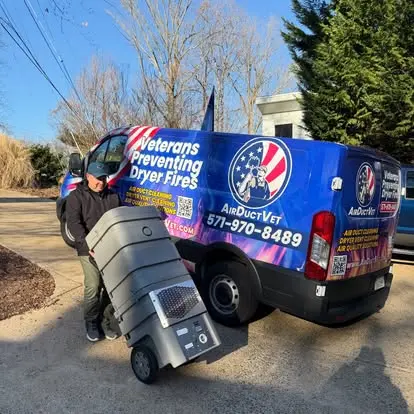 Real AirDuctVet photo
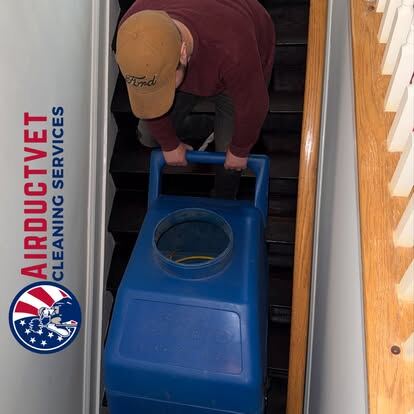 Real AirDuctVet photo
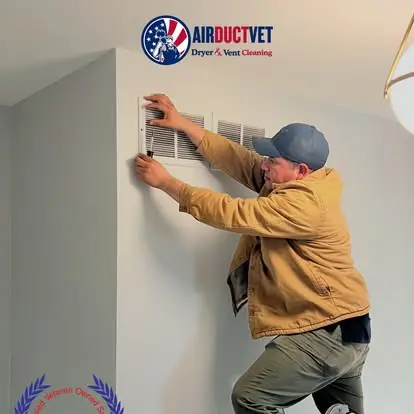 Real AirDuctVet photo
Clear, practical guidance: General education cannot replace an on-site inspection. We separate routine maintenance from conditions that need an HVAC, appliance, chimney, mold, or restoration specialist.
Sanitizing is optional, not an automatic final step
A cleaned HVAC system does not automatically require a chemical treatment. Cleaning and sanitizing answer different questions. Physical cleaning removes qualifying dust, debris, and soils from accessible components; a labeled antimicrobial product is intended for a specific use on specific surfaces under defined directions.
EPA advises homeowners to be fully informed before allowing chemical biocides or sealants inside air ducts. A provider should explain the observed condition and why the proposed treatment is relevant instead of presenting spraying or fogging as a routine requirement for every system.
Terms such as sanitize, disinfect, deodorize, botanical, and antimicrobial are not interchangeable promises. Ask exactly what claim appears on the current product label and whether the proposed surface and application method are included.
Ask for the product label before approving treatment
EPA explains that a pesticide label defines where, how, how much, and how often the product may be used, along with precautions. An EPA registration number does not authorize every possible surface or application method. The intended HVAC use must be consistent with the current label.
Request the complete label and Safety Data Sheet before service. The written proposal should name the product, EPA registration number when applicable, target surfaces, application method, required coverage, contact time, ventilation steps, personal-protection requirements, and occupant re-entry directions.
Confirm whether the duct system contains bare sheet metal, fiberglass ductboard, internal fiberglass lining, flex duct, coated surfaces, or other materials. EPA states that no chemical biocides are currently registered for use in internally insulated air-duct systems, so material identification matters before a product is approved.
- What documented condition is the treatment intended to address?
- Which exact surfaces and HVAC components are included?
- Does the current label allow the intended surface and application method?
- What contact time, ventilation, and re-entry directions apply?
- What cleaning, moisture correction, or repair must happen first?
Physical cleaning and source correction come first
A product should not be sprayed over dust, debris, standing water, damaged insulation, active pests, or an unidentified residue as a substitute for cleanup. Qualifying soils are physically removed first so the condition and compatible surfaces can be evaluated.
If moisture, condensation, a drain problem, a leak, damaged insulation, or an HVAC fault contributed to the concern, the source needs appropriate correction. Treatment cannot keep a wet or damaged system dry, reconnect ductwork, balance airflow, or repair a coil, blower, drain pan, humidifier, or dehumidifier.
Suspected significant microbial growth may require qualified environmental, remediation, HVAC, or medical guidance depending on the material, extent, moisture history, and occupant concern. A photograph or basic camera view cannot identify every substance or define the full scope by itself.
Plan for occupants, pets, and sensitive belongings
Follow the current label rather than assuming that botanical means chemical-free or that a pleasant odor means the treatment is harmless. Tell the provider about children, pets, aquariums, respiratory sensitivities, recent renovations, home medical equipment, and any area that cannot be vacated or ventilated as directed.
The provider should explain preparation, containment, application boundaries, drying or contact time, ventilation, and re-entry before work begins. If the label or property conditions cannot be followed, the treatment should not proceed until an appropriate plan is available.
Do not authorize ozone generation as a casual deodorizing substitute. The proposed method, product, occupancy plan, and expected limitation should all be documented separately from the physical cleaning scope.
What AirDuctVet includes and excludes
AirDuctVet starts with inspection and physical source removal for the approved cleaning scope. When the documented condition, system material, and service goal fit the current product label, a separately approved botanical treatment may be applied to compatible accessible surfaces using the required coverage, contact time, ventilation, and re-entry directions.
Sanitizing is not automatically included with routine air-duct cleaning. It does not sterilize the air, guarantee odor removal, prevent future microbial growth, provide medical treatment, or replace filtration, ventilation, moisture correction, qualified remediation, or HVAC repair.
Coil cleaning must be requested, separately evaluated, and separately approved. Routine duct service does not automatically include mechanical repair or filter replacement. AirDuctVet does not promise medical improvement, guaranteed utility-bill savings, or a fixed routine duct-cleaning interval.
Frequently asked questions
Is sanitizing the same as air-duct cleaning? No. Cleaning physically removes qualifying dust, debris, and soils. Sanitizing is a separate, label-directed treatment for an approved purpose and compatible accessible surfaces.
Does EPA registration mean a product can be used anywhere in an HVAC system? No. The current label controls the permitted sites, surfaces, method, directions, and precautions. Ask to see the complete label for the exact product.
Can treatment prevent mold from returning? No treatment can guarantee prevention. Moisture sources, drainage, HVAC operation, material damage, filtration, and building conditions must be addressed as appropriate.
Can a sanitizer remove an odor without cleaning? It should not be used to mask an unidentified source or replace physical removal. Odors may come from moisture, debris, pests, smoke, materials, drains, equipment, or other building conditions.
How often should ducts be sanitized? There is no fixed schedule for every property. Use a documented need, compatible materials, the current label, and a property-specific evaluation rather than a routine calendar promise.
Sources and further reading
Official guidance informs the general information above. AirDuctVet's included services are defined by your written quote; local requirements and manufacturer instructions may differ.