
Hotels and hospitality properties
Room inventories, housekeeping or engineering contacts, guest-occupancy windows, appliance access, laundry areas, exterior terminations, and completion reporting are coordinated before the crew begins.
Commercial dryer vent cleaning is a building-coordination project, not a string of unrelated appointments. AirDuctVet organizes units or rooms, appliance access, exterior or roof terminations, resident or guest communication, exceptions, and closeout records before confirming the schedule.
We review the property, access, systems, and requested outcome before confirming the equipment, work plan, and free quote.
Authentic AirDuctVet photos show exterior access, professional vent tools, and the lint and nest material found during real dryer vent service.
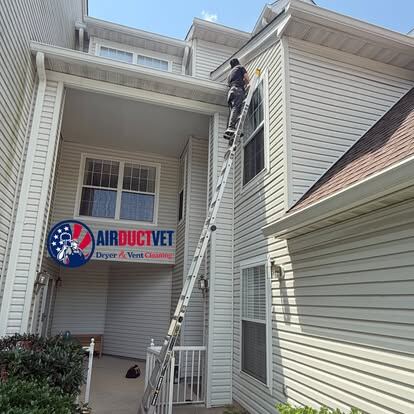 Real AirDuctVet photo
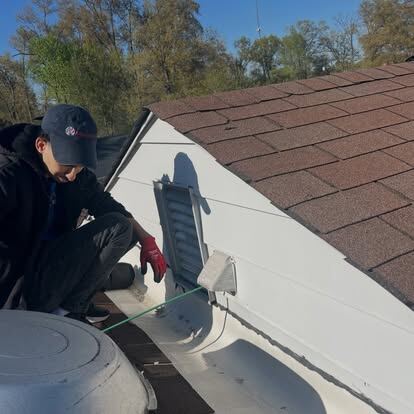 Real AirDuctVet photo
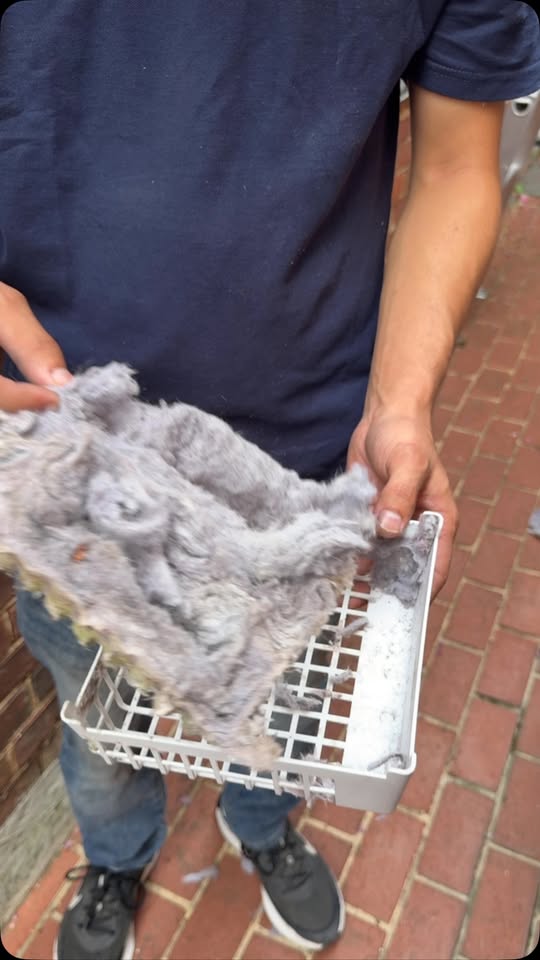 Real AirDuctVet photo
AirDuctVet has coordinated whole-property commercial dryer vent cleaning at a Residence Inn by Marriott property, dryer vent work across Episcopal High School dormitories, and whole-building service for Hallmark Condominium. A useful plan identifies each dryer, the route and termination when known, roof or exterior access, resident or room access, booster fans, missed-unit procedures, and the documentation the authorized contact expects.
The cleaning tools may be similar, but access responsibility and completion tracking differ by building.
Room inventories, housekeeping or engineering contacts, guest-occupancy windows, appliance access, laundry areas, exterior terminations, and completion reporting are coordinated before the crew begins.
Dorm access, campus contacts, student schedules, shared laundry rooms, staff housing, roof permissions, and separate building lists help keep a campus project organized.
Management teams can organize resident notices, unit rosters, private versus common responsibilities, roof or facade permissions, missed units, and the agreed certificate format.
Building and unit identifiers, key or resident access, appliance condition, termination mapping, site contacts, and exception handling create a repeatable process across multiple addresses.
Share the property type, address, dryer or unit count, route information, building access, target timeline, and responsible decision-maker.
Identify appliance locations, roof or exterior terminations, booster fans, unit numbering, keys or resident access, parking, loading, and safety requirements.
Approve the work windows, included routes, documentation, communication plan, inaccessible-unit procedure, and conditions that require separate repair.
Complete each accessible route in the agreed sequence, record status and exceptions, and notify the site contact when a route cannot be safely or fully serviced.
Deliver the agreed closeout record, including completion status and accessible observations, to the authorized facility or management contact.
Cleaning removes accessible lint and ordinary blockages from qualifying dryer exhaust routes. It does not replace appliance repair, reconstruction, or code evaluation.
We can plan qualifying whole-property projects, but every included route still requires safe appliance access, a serviceable duct, authorized exterior or roof access, and the approved work window. Inaccessible or damaged routes are documented as exceptions.
Yes, qualifying projects can use overnight, early-morning, weekend, or other low-occupancy windows. Availability depends on property access, crew safety, service area, scope size, and advance scheduling.
The approved scope may include a completion roster, missed-unit list, service notes, accessible before-and-after photos, exception reporting, and unit-level certificates. The required format should be confirmed before scheduling.
The crew documents the accessible condition and stops short of work that could cause more damage. Repair, rerouting, wall or ceiling opening, roof modification, or fire-stopping must be handled under a separate approved scope by the appropriate contractor.