
Connection and material
We inspect the accessible transition behind the dryer for crushing, sharp bends, loose connections, foil or plastic material, excess length, and clearance problems that can restrict airflow or create repeated buildup.
Dryer vent inspection and airflow diagnosis helps distinguish ordinary lint buildup from a crushed connector, long route, exterior blockage, booster-fan issue, disconnected section, or appliance problem. AirDuctVet evaluates the accessible vent path and explains what cleaning can and cannot correct.
We review the property, access, systems, and requested outcome before confirming the equipment, work plan, and free quote.
These authentic field photos show appliance connections, professional tools, exterior access, and debris found during AirDuctVet appointments.
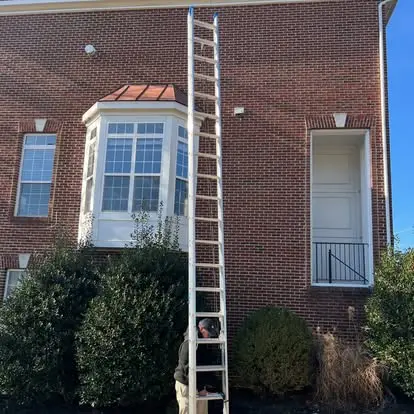 Real AirDuctVet photo
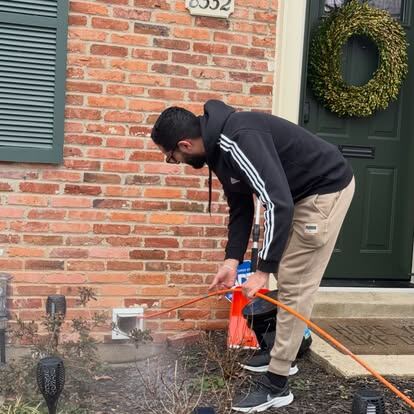 Real AirDuctVet photo
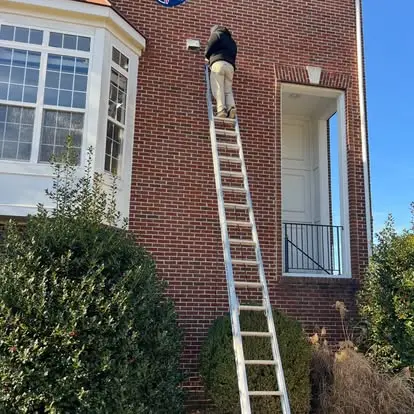 Real AirDuctVet photo
LG D80 or D90 warnings, long drying times, hot or damp clothes, a hot laundry room, a burning odor, or a weak exterior flap can point to restricted exhaust. They can also involve appliance sensors, internal dryer buildup, an overloaded cycle, a damaged transition duct, or a vent route that was poorly designed. We check the accessible path, airflow, and termination before promising that cleaning alone will solve the symptom.
The technician follows the exhaust route from the appliance connection toward the termination and records the conditions that can be evaluated safely.
We inspect the accessible transition behind the dryer for crushing, sharp bends, loose connections, foil or plastic material, excess length, and clearance problems that can restrict airflow or create repeated buildup.
Long runs, multiple elbows, vertical rises, roof exits, high-wall terminations, booster fans, and hidden damage can change how the vent performs and how it should be cleaned.
The exterior flap or roof cap should open appropriately and remain free of nests, lint mats, screens, stuck louvers, landscaping, or construction that blocks discharge.
Where configuration permits, camera views and pre-service and post-service airflow observations help document restrictions and the change after cleaning. Results still depend on appliance output and measurement conditions.
Record the appliance warning, drying symptom, laundry location, route information, prior service, and any known booster fan or exterior-access issue.
Inspect the accessible appliance connection and identify the exterior or roof termination whenever possible.
Evaluate accessible airflow and use camera inspection where the route, opening, and blockage allow useful viewing.
Clean the qualifying route from the safest access point using the appropriate compressed-air or 40-foot rotating-brush system while controlling removed lint and debris.
Recheck accessible airflow and termination movement, document remaining concerns, and explain whether an appliance technician, vent installer, roofer, or another specialist is needed.
AirDuctVet does not promise that every dryer warning or slow cycle will disappear after vent cleaning. A responsible diagnosis separates the exhaust route from appliance and building problems.
We can inspect and clean the accessible dryer exhaust route and look for common restrictions. If the vent is clear and the warning remains, the dryer sensor, internal airflow path, installation, or another appliance issue may require an authorized appliance technician.
AirDuctVet has a 40-foot rotating-brush system. Actual reach depends on the route diameter, elbows, duct material, blockage, access direction, and whether forcing the tool farther would risk damage.
Many accessible nests can be removed, but the location, species activity, termination design, duct damage, roof access, and local wildlife rules can affect the work. A damaged cap or recurring nesting problem may need repair after cleaning.
Possible causes include internal appliance buildup, a weak blower, sensor or heating problems, an overloaded cycle, a crushed transition, a hidden disconnection, excessive route resistance, or a termination that remains restricted. The next step depends on what the accessible vent inspection shows.