
Should Air Duct Cleaning Be Priced Per Vent?
Per-vent pricing is not automatically wrong, but a low unit price can hide an incomplete scope. Compare the total written price, HVAC components, access, and exclusions.
The short answer
Per-vent pricing can be a legitimate way to calculate part of an air-duct cleaning estimate, but it is not a reliable comparison by itself. Two companies may count openings differently or include very different work behind the same unit price. Before authorizing service, compare the total written price, the number of HVAC systems, the exact supply and return components included, access work, cleaning method, completion documentation, and exclusions. A low advertised price per vent is not a bargain if trunks, returns, plenums, equipment, access, or required setup are added later.
Three real AirDuctVet field photos
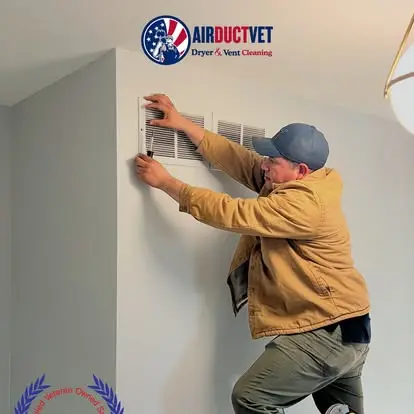
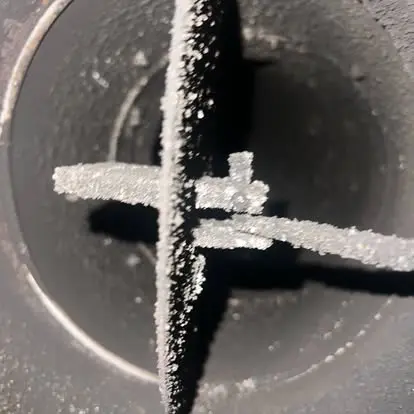
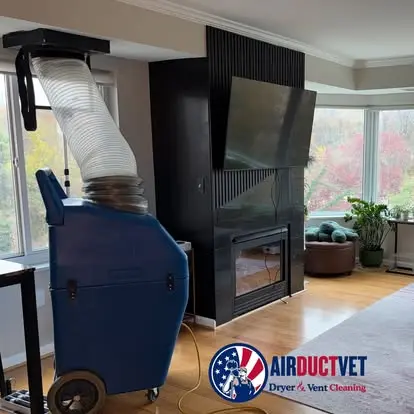
These authentic AirDuctVet job photos were selected for this topic. We do not use repeated AI artwork or stock photography.
 Real AirDuctVet photo
 Real AirDuctVet photo
 Real AirDuctVet photo
Clear, practical guidance: General education cannot replace an on-site inspection. We separate routine maintenance from conditions that need an HVAC, appliance, chimney, mold, or restoration specialist.
Is charging by the vent a red flag?
No. A contractor may use the number of supply registers, return grilles, or accessible openings as one input because more branches can require more setup, agitation, register work, and documentation. A clear per-vent proposal can be understandable when it defines what counts as a vent, lists the expected quantity, explains the rest of the system scope, and states the total price before work begins.
The red flag is not the unit itself. It is an incomplete or changeable definition. Ask whether a large return grille counts as one opening, whether each return branch is priced separately, whether trunks and plenums are included, and what happens if the actual count differs from the estimate. The total should not remain unknowable until equipment is already inside the home.
Why can two per-vent quotes be impossible to compare?
A visible register is only one part of a forced-air system. Behind it may be a short metal branch, a long flexible run, an internally lined section, a trunk, a return path, a plenum, an air handler, dampers, and areas that require approved access. One proposal may include supply and return branches plus system setup, while another may quote only the visible openings and add every other component later.
Companies may also use different definitions. One may count ten supply registers and two return grilles as twelve vents. Another may count each return branch, trunk connection, or zone separately. A third may advertise a small number of openings at a teaser price and charge a different rate after arrival. Compare the written components and final price, not just the number printed beside the word vent.
What should a complete written estimate identify?
EPA advises consumers to obtain a written agreement that outlines the total cost and scope before work begins. The FTC likewise recommends a written estimate describing the work, materials, timing, and price. For air-duct cleaning, the estimate should be specific enough that you can tell which system and surfaces are included without relying on a verbal promise.
A useful estimate identifies the property and HVAC system count, the expected supply and return opening count, the trunks and plenums included, the accessible air-handler components in scope, the cleaning and collection method, planned access openings, protection of the home, documentation, known access limits, optional work, taxes or fees, and the total authorized price or a clearly defined process for approving a change.
- How many supply registers, return grilles, and HVAC systems were counted?
- Are supply branches, return branches, trunks, and plenums included?
- What negative-air collection and agitation equipment will be used?
- Are access openings, sealing, register removal, and reinstallation included?
- Which equipment components are included, excluded, or optional?
- What photos or other completion checks will be provided?
- What condition would require a written change order, and who must approve it?
Which property details can change the scope?
The number of openings matters, but it is not the only workload driver. A home can have one or several HVAC systems, separate zones, inaccessible trunks, finished ceilings, attic or crawlspace runs, tall registers, fragile finishes, internally insulated ducts, disconnected or damaged sections, heavy debris, recent construction residue, or equipment that needs a different trade. These conditions can change the safe method, time, access, or whether cleaning is appropriate.
Ask the estimator to use photos, plans, a video walkthrough, or an on-site review when the layout is uncertain. Share the number of thermostats and air handlers, the approximate opening count, recent renovation or water history, known access panels, and any visible damage. Accurate information helps prevent a low quote based on the wrong system count or an assumed layout.
What should never be added without clear approval?
A technician may discover a different vent count or a condition that was not visible during the estimate. That can justify a discussion, but it should not become automatic authorization. Ask for the observed condition, why it changes the approved work, the added price, and whether the original service can proceed safely without the addition. Approve or decline the change in writing before extra work begins.
Be especially cautious when a low advertised price becomes an urgent claim about mold, chemicals, sealing, repairs, or equipment replacement. A photo can document visible material, but color alone does not identify mold. A duct camera can show selected reachable areas, not every hidden surface. EPA recommends correcting underlying moisture or contamination sources and understanding the pros and cons before allowing chemical biocides or sealants.
What does an air-duct cleaning quote exclude unless listed?
Routine air-duct cleaning removes qualifying removable material from the approved accessible HVAC surfaces listed in the quote. It does not automatically include duct sealing, reconstruction, insulation replacement, asbestos or hazardous-material work, pest remediation, water-damage restoration, electrical work, appliance repair, balancing, or mechanical diagnosis and repair.
Coil cleaning must be requested, evaluated, and separately approved. Filter replacement is not automatically included. The presence of the blue Air-Care TurboJet Max II HEPA equipment confirms an air-duct cleaning setup; it does not expand the written scope or turn the visit into HVAC repair or mold remediation. Any added treatment or repair should have its own documented purpose, compatible materials, limitations, and price.
How can you compare bids fairly?
Create one list of the system components and questions that matter at your property, then ask each company to respond in writing. Compare total authorized price, included surfaces, method, access, equipment, protection, documentation, exclusions, and change-order rules. A higher total may include more work, while a lower total may be appropriate for a smaller or simpler system. Neither conclusion is possible from a per-vent number alone.
EPA recommends getting estimates from multiple service providers and checking references and relevant licensing. It also notes that EPA does not certify, endorse, or approve duct-cleaning companies. NADCA is an industry association with standards and homeowner resources; membership or certification is useful information but does not replace a property-specific written scope and your review of the contractor.
Quick answers about air-duct cleaning prices
Is a flat whole-system price always better? No. A flat price can also hide exclusions. The better quote is the one that clearly defines the system, included components, total price, and change process.
Should return vents cost the same as supply vents? Not necessarily. Returns can differ in size, layout, access, and branch configuration. Ask how each company defines and counts them.
Can a contractor change the price after counting the vents? Only according to the estimate or a change you approve. If the count or condition differs, request the revised scope and total in writing before added work begins.
Does a low per-vent offer include coils and filters? Do not assume it does. Coil cleaning requires a separate request and approval, and routine duct cleaning does not automatically include filter replacement.
Does duct cleaning guarantee better health or lower utility bills? No. EPA says duct cleaning has not been shown to prevent health problems, and evidence that cleaning ducts alone improves system efficiency is limited.
What should I send AirDuctVet for an estimate? Share the ZIP code, HVAC system count, approximate supply and return count, property type, access details, recent renovation or water history, and clear photos of the air handler and representative registers when available.
Sources and further reading
Official guidance informs the general information above. AirDuctVet's included services are defined by your written quote; local requirements and manufacturer instructions may differ.