
Should Air Duct Cleaning Include Before-and-After Photos?
Before-and-after photos can document visible duct-cleaning work, but they do not prove the entire system is clean. Learn what useful evidence includes.
The short answer
Yes, a professional air duct cleaning should include reasonable before-and-after documentation when the photographed areas are safely accessible. Useful photos can show representative registers, duct interiors, trunk lines, access points, or equipment conditions before and after service. They do not prove that every concealed surface is clean, replace the written scope, or certify HVAC performance. The three AirDuctVet field photos below show real inspection, cleaning, and documented duct conditions; they are examples, not evidence from your property.
Three real AirDuctVet field photos
These authentic AirDuctVet job photos were selected for this topic. We do not use repeated AI artwork or stock photography.
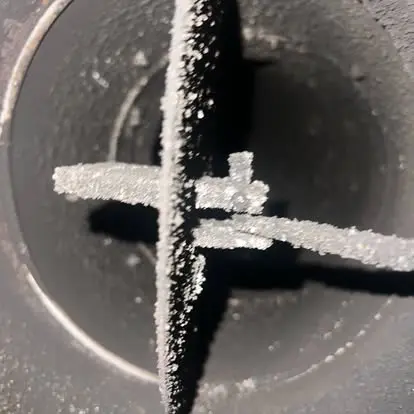 Real AirDuctVet photo
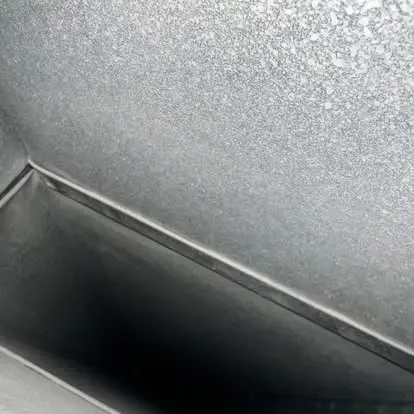 Real AirDuctVet photo
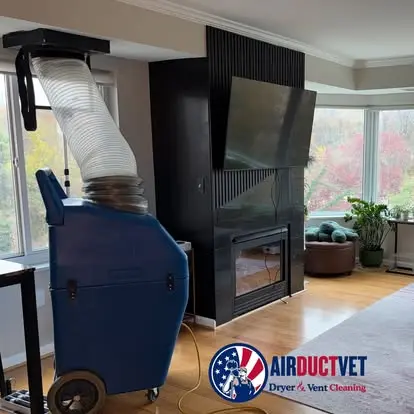 Real AirDuctVet photo
Clear, practical guidance: General education cannot replace an on-site inspection. We separate routine maintenance from conditions that need an HVAC, appliance, chimney, mold, or restoration specialist.
Photos are useful when they identify the actual work
Good documentation connects each image to a specific part of the system. A photo labeled as a return trunk, supply branch, register opening, blower compartment, or service access point is more useful than an unlabeled close-up that could have come from anywhere. The image should be clear enough to compare the same area or a representative equivalent before and after cleaning.
Ask how the provider will document areas that are safely reachable and whether the images will be delivered with the service record. A timestamp can help organize the visit, but context matters more than a date stamp alone. The service address, system number, room or component, and direction of view make the evidence easier to understand.
- A wide photo that establishes the component or access point.
- A close photo that shows the visible condition before cleaning.
- A comparison from the same opening or a clearly identified representative area.
- Notes for anything that could not be reached, photographed, or cleaned.
Three clean photos do not prove the whole HVAC system is clean
A residential HVAC system can contain many supply branches, returns, trunk lines, dampers, plenums, fittings, and mechanical components. Some surfaces may be concealed behind finished construction or inaccessible without work that was not included in the quote. A small gallery can document selected conditions, but it cannot represent every hidden surface.
The current NADCA ACR standard addresses assessment, cleaning, and cleanliness verification for HVAC systems. Verification is a defined process, not a marketing collage. If a project requires formal post-cleaning verification, commercial closeout records, or a specified inspection method, that requirement should be written into the approved scope before work begins.
Compare the photos with the written scope and completion notes
The EPA advises consumers to ask a provider to clean all system components and to show that the visible portions are clean. That makes the written scope essential. Before-and-after photos should support the agreed work, not substitute for a description of which HVAC system, components, access points, and cleaning method were included.
Review the completion notes for unresolved conditions such as damaged duct material, wet insulation, suspected microbial growth, construction debris, inaccessible branches, a dirty coil, a filter issue, or an HVAC fault. A responsible record separates what was cleaned from what needs another trade, another approval, or further investigation.
Ask these documentation questions before you book
The FTC recommends getting home-improvement promises and pricing in writing. For duct cleaning, the same consumer-protection habit helps prevent confusion about photos, equipment, access, and add-on work. Ask for a written quote that identifies the system count and included components before the crew arrives.
- Will I receive photos from my own property after the appointment?
- Which components will be photographed, and are any areas expected to be inaccessible?
- Does the quote include registers, returns, trunk lines, plenums, and the accessible blower compartment?
- What happens if the crew finds damaged, wet, contaminated, or obstructed material?
- Will additional work require my approval before it begins?
AirDuctVet documents cleaning without expanding the approved scope
AirDuctVet can provide representative field photos from accessible portions of the approved air-duct scope. A Cobra inspection camera may help document selected reachable duct interiors when appropriate. Camera access and image quality vary with the material, route, fittings, openings, and safe working conditions, so documentation cannot guarantee a view of every concealed surface.
Coil cleaning must be requested, separately evaluated, and separately approved. Routine air-duct service does not automatically include mechanical repair, duct replacement, environmental testing, mold remediation, or filter replacement. If an image reveals a condition outside the approved cleaning scope, the technician should explain the finding before any separately authorized work or referral.
Photos document visible conditions; they do not promise medical improvement, guaranteed energy savings, or a fixed cleaning interval. The property-specific quote and service record control what was included.
Quick answers about air duct cleaning photos
Should every vent have a before-and-after photo? Not necessarily. A provider may use representative images, but the planned level of documentation should be clear before service, especially for a commercial or managed property.
Can a clean register photo prove the duct is clean? No. A register is one accessible component and does not show the condition of the full branch, trunk, plenum, coil, or other system surfaces.
What if the photos look like they came from another job? Ask the provider to identify the system, component, and viewpoint. Unlabeled images should not be treated as property-specific proof.
Do photos replace an inspection report? No. Photos can support a service record, but a formal inspection, verification, or certification has its own defined scope and method.
Sources and further reading
Official guidance informs the general information above. AirDuctVet's included services are defined by your written quote; local requirements and manufacturer instructions may differ.