
Should a Duct Cleaner Spray Chemicals in My Air Ducts?
Air duct cleaning chemicals should never be an unexplained add-on. Learn what to ask about the product, label, surface, moisture source, and written scope before approving treatment.
The short answer
Not automatically. A duct cleaner should not spray a sanitizer, disinfectant, biocide, deodorizer, sealant, or other chemical into your HVAC system as an unexplained routine step. Before you approve any treatment, the provider should identify the condition being addressed, show you the exact product label, confirm that the label permits the proposed HVAC use and application method, explain which surfaces will be treated, complete the necessary physical cleaning, and state any occupancy, drying, ventilation, or re-entry instructions. You may decline a chemical treatment and request a written cleaning-only scope. A product cannot repair wet insulation, a leak, damaged ductwork, or a mechanical problem.
Three real AirDuctVet field photos
These authentic AirDuctVet job photos were selected for this topic. We do not use repeated AI artwork or stock photography.
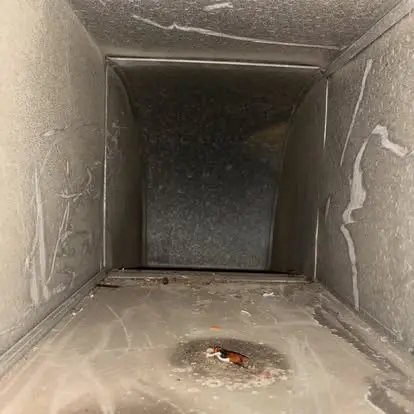 Real AirDuctVet photo
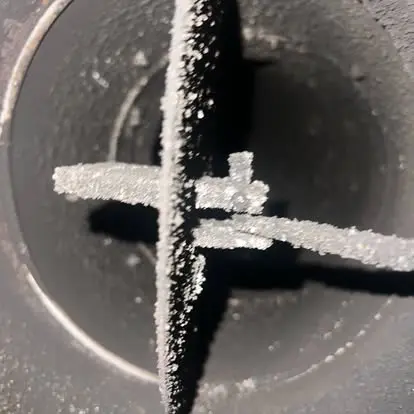 Real AirDuctVet photo
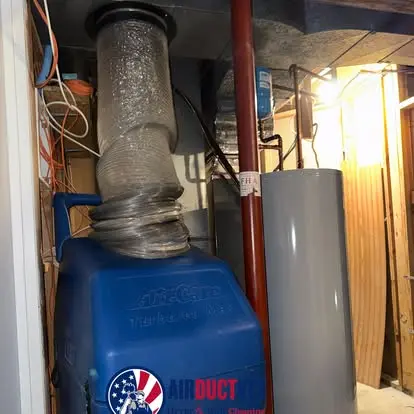 Real AirDuctVet photo
Clear, practical guidance: General education cannot replace an on-site inspection. We separate routine maintenance from conditions that need an HVAC, appliance, chimney, mold, or restoration specialist.
What should be disclosed before any chemical is applied?
Ask for the product name, EPA registration number when the product is regulated as a pesticide, full label, safety information, proposed concentration, application equipment, target surfaces, reason for use, drying or contact time, ventilation plan, and any instructions for people, pets, plants, food, or sensitive belongings. The written quote should distinguish physical duct cleaning from an optional treatment and state the additional charge.
EPA explains that pesticide products must be registered for the specific use and used consistently with their labels. A label for a general hard-surface sanitizer does not automatically authorize application inside an HVAC system. The label must support the exact site, surface, method, rate, and claim being proposed. If the provider cannot identify the product or show how the label supports the work, do not approve the application.
- Get the proposed product and purpose in writing before work begins.
- Confirm whether the duct is bare sheet metal, internally lined, flexible, or another material.
- Ask who will apply the product and what training or licensing the jurisdiction requires.
- Keep a copy of the label, scope, photographs, and treatment record with the property documents.
Why should physical cleaning and moisture control come first?
A chemical treatment is not a substitute for removing accessible dust, debris, or qualifying contamination. EPA advises asking why suspected biological growth cannot be removed physically and further growth prevented by controlling moisture. Spraying over dust can leave the original material in place, while treating an active water problem does not stop the surface from becoming wet again.
The system should be inspected so the provider understands the duct material, visible condition, mechanical condition, access, and moisture history. A leak, blocked drain, sweating duct, wet liner, or damaged component may require an HVAC contractor, plumber, roofer, restoration professional, or other qualified specialist before routine cleaning or treatment can be useful.
Do the duct material and product label matter?
Yes. EPA's homeowner guidance distinguishes unlined bare sheet-metal ducts from fiberglass duct board and fiberglass-lined ducts. A product that is permitted on one surface may not be permitted on another. Wet or visibly contaminated porous insulation may need replacement rather than spraying, and a provider should not assume that every accessible-looking surface has the same construction.
The application method also matters. HVAC fogging, misting, robotic spraying, wiping, and direct surface application are not interchangeable. EPA's HVAC antimicrobial guidance notes that HVAC applications can create exposure conditions that differ from ordinary hard-surface use. The approved method, dosage, contact time, protective equipment, system shutdown, drying, ventilation, and re-entry directions must come from the label and the property-specific plan.
Are ozone, sealants, and deodorizers the same as sanitizers?
No. These products have different purposes and limits. EPA describes ozone as a lung irritant and notes controversy about introducing it into ductwork. AirDuctVet does not present ozone generation as routine air-duct cleaning. A deodorizer may change an odor temporarily without removing its source. A sanitizer or biocide has a label-defined antimicrobial purpose, while a sealant is intended to coat or encapsulate a surface.
EPA and several industry organizations do not recommend routine use of sealants to encapsulate contaminants. A coating should not be used to cover wet liner, active growth, or debris. If a specialized coating or restoration product is proposed, require a separate written scope that identifies the damaged material, cleaning completed first, product compatibility, fire and acoustical considerations, warranty implications, and the qualified party responsible for the application.
What is included in an AirDuctVet cleaning scope?
AirDuctVet's routine air-duct service focuses on approved physical source removal from accessible supply and return ductwork using a property-appropriate agitation and negative-air collection method. Real field photographs can document selected accessible conditions before and after service. The blue Air-Care TurboJet Max II HEPA equipment is reserved for approved air-duct work and is not used for dryer vent cleaning.
Any sanitizer, odor-control product, coating, or other treatment requires its own evaluation and approval; it is not an automatic consequence of seeing dust or discoloration. AirDuctVet does not identify mold species, promise sterilization, guarantee medical improvement or utility savings, or represent an optional product as a repair for moisture, damaged ductwork, or HVAC equipment.
Coil cleaning must be requested, evaluated, and separately approved. Routine duct service does not automatically include mechanical diagnosis or repair, filter replacement, drain service, insulation replacement, duct sealing, environmental testing, mold remediation, or restoration work. The written quote controls the included service.
Quick answers about air duct cleaning chemicals
Can I approve duct cleaning but decline a sanitizer? Yes. Ask for a cleaning-only scope and require written approval before any optional treatment is added.
Does a fresh smell prove the ducts are clean? No. Fragrance is not evidence that debris was physically removed or that an odor source was corrected.
Can a provider use the same spray on every duct material? No. The label, material, condition, and application method all matter. Internally lined, fiberglass, flexible, and bare metal systems can require different decisions.
Should chemicals be sprayed over visible mold? Do not treat appearance alone as identification. Correct moisture, establish the material and scope, use physical removal when appropriate, and involve a qualified mold or environmental professional when the condition exceeds routine duct cleaning.
What should I send with an estimate request? Share the property ZIP code, HVAC system count, photos, duct material if known, odor or moisture history, reason a treatment was recommended, and the product name or proposal you received. Do not send private medical information.
Sources and further reading
Official guidance informs the general information above. AirDuctVet's included services are defined by your written quote; local requirements and manufacturer instructions may differ.