
Can Fiberglass Air Ducts Be Cleaned Safely?
Fiberglass air ducts can sometimes be cleaned, but only after identifying the material, condition, moisture history, and a method that will not damage it.
The short answer
Fiberglass duct board and fiberglass-lined metal ducts can sometimes be cleaned when the material is dry, structurally sound, and suitable for a material-specific method. They should not be treated like bare sheet metal. If fiberglass insulation is wet, moldy, deteriorated, or shedding, cleaning may be inappropriate and affected material may need removal and replacement by a qualified HVAC professional. The first step is to identify the duct material and document its condition before choosing tools or approving work.
Three real AirDuctVet field photos
These authentic AirDuctVet job photos were selected for this topic. We do not use repeated AI artwork or stock photography.
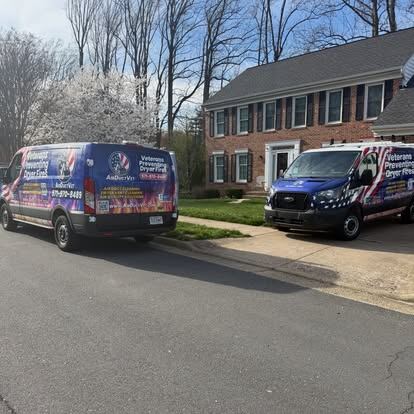 Real AirDuctVet photo
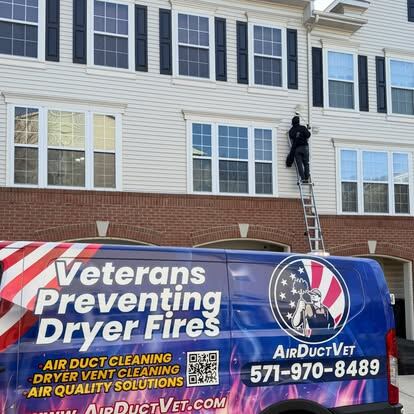 Real AirDuctVet photo
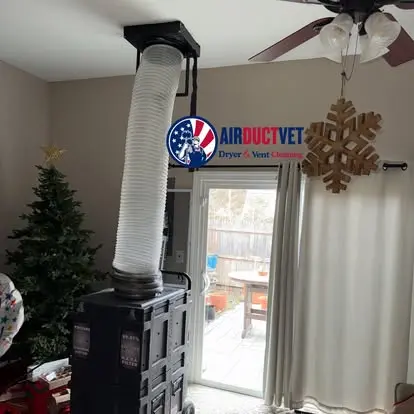 Real AirDuctVet photo
Clear, practical guidance: General education cannot replace an on-site inspection. We separate routine maintenance from conditions that need an HVAC, appliance, chimney, mold, or restoration specialist.
Identify the fiberglass system before choosing a method
Fiberglass may appear as rigid duct board, as an internal liner inside sheet-metal ductwork, or as insulation around another duct surface. Those assemblies are not interchangeable. The provider should identify which surface carries the airflow, how the material is supported, and whether access can be created and closed without weakening the system.
EPA advises homeowners to find out whether ducts are sheet metal, flex duct, fiberglass duct board, or fiberglass-lined because cleaning methods vary by duct type. A proposal written for bare metal should not be applied automatically to a fibrous surface.
Ask for photographs tied to their location. A Cobra inspection camera can document selected reachable sections, but it cannot identify every material behind finished construction, verify every concealed branch, or certify the entire system as undamaged.
Dry and intact fiberglass may allow careful cleaning
When the material is dry, intact, and appropriate for cleaning, the method should remove qualifying loose debris without tearing, abrading, soaking, or collapsing the fiberglass surface. Tool selection, suction, agitation, access, and final closure all need to match the installed product and condition.
NAIMA's technical resources describe identifying insulated duct types, opening and closing access points, and avoiding damage to fibrous-glass surfaces. Johns Manville similarly emphasizes preserving the system's structural, thermal, acoustic, and air-sealing functions after cleaning and closing access openings correctly.
A useful written scope names the areas included, the proposed tools, known limitations, access openings, closure method, and the documentation provided after service. It should not promise that every concealed surface will be reached.
- Confirm the airflow surface: bare metal, internal liner, duct board, or flex duct
- Document tears, delamination, exposed fibers, crushing, water staining, and suspect growth
- Use cleaning tools and suction suitable for the actual material
- Explain access limits and how service openings will be closed
- Stop if the material cannot be cleaned without additional damage
Wet, moldy, or deteriorated fiberglass changes the answer
EPA states that wet or moldy insulated duct material cannot be effectively cleaned and should be removed and replaced. Cleaning does not correct the leak, condensation, drainage problem, air leakage, or mechanical condition that allowed the material to get wet.
Do not approve brushing, fogging, or coating simply to hide a damaged surface or unidentified growth. Moisture needs to be stopped, affected material needs an appropriate evaluation, and replacement or remediation responsibilities should be defined before the system returns to service.
If fibers are visibly loose, the facing is torn, the liner has separated, or debris appears to be coming from the duct material itself, pause the cleaning decision. An HVAC contractor or other qualified professional may need to determine whether a section can be repaired or must be replaced.
Separate cleaning from repair and optional treatments
AirDuctVet can inspect accessible conditions and propose an air-duct cleaning scope suited to the observed material and access. Routine cleaning does not automatically include duct repair, liner replacement, sealing, balancing, mold remediation, restoration, or investigation behind finished surfaces.
Coil cleaning must be requested, separately evaluated, and separately approved. Routine duct service does not automatically include mechanical repair or filter replacement. Any sanitizer or other treatment also requires a separate documented purpose, compatible surfaces, and label-directed approval; it is not a substitute for removing wet or damaged insulation.
AirDuctVet does not promise medical improvement, guaranteed utility-bill savings, or a fixed routine cleaning interval. Decide from the property-specific findings, the installed material, manufacturer guidance, and the approved scope.
Frequently asked questions
Can fiberglass duct board be cleaned like sheet metal? No. The material and surface condition determine which tools are suitable. A method safe for bare metal may damage fiberglass.
Can wet fiberglass duct liner be dried and cleaned? EPA advises removing and replacing wet or moldy insulated duct material because it cannot be effectively cleaned. The moisture source also needs correction.
Does a camera confirm that all fiberglass is intact? No. A camera documents only the reachable view. Concealed branches, hidden sides, joints, and insulation behind finishes may remain unverified.
Can an antimicrobial spray repair damaged fiberglass? No. A product cannot restore torn, delaminated, wet, or structurally damaged insulation. Product use also must match the current label and compatible surface.
Who decides whether the duct should be replaced? A qualified HVAC professional should evaluate damage, material compatibility, access, moisture cause, and the proposed repair or replacement. The cleaning quote should clearly separate that responsibility.
Sources and further reading
Official guidance informs the general information above. AirDuctVet's included services are defined by your written quote; local requirements and manufacturer instructions may differ.