
Can a Clogged Dryer Vent Cause Carbon Monoxide Problems?
A restricted gas-dryer vent can create an unsafe exhaust condition, but it does not prove carbon monoxide is entering the home. Treat alarms as emergencies and separate vent cleaning from appliance repair.
The short answer
A clogged dryer vent can create an unsafe exhaust condition for a gas dryer because the appliance burns fuel and must discharge its exhaust outdoors. However, a restriction does not prove that carbon monoxide is entering the home, and dryer-vent cleaning is not a carbon-monoxide test or gas-appliance repair. If a carbon-monoxide alarm sounds, or anyone may be experiencing carbon-monoxide exposure, move to fresh air, contact emergency services or the appropriate fuel utility, and do not run the dryer until a qualified professional confirms it is safe. An electric dryer does not burn fuel and does not generate carbon monoxide at the dryer, although another fuel-burning appliance in the same building can still be the source.
Three real AirDuctVet field photos
These authentic AirDuctVet job photos were selected for this topic. We do not use repeated AI artwork or stock photography.
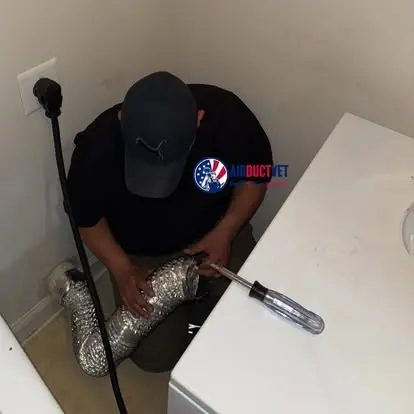 Real AirDuctVet photo
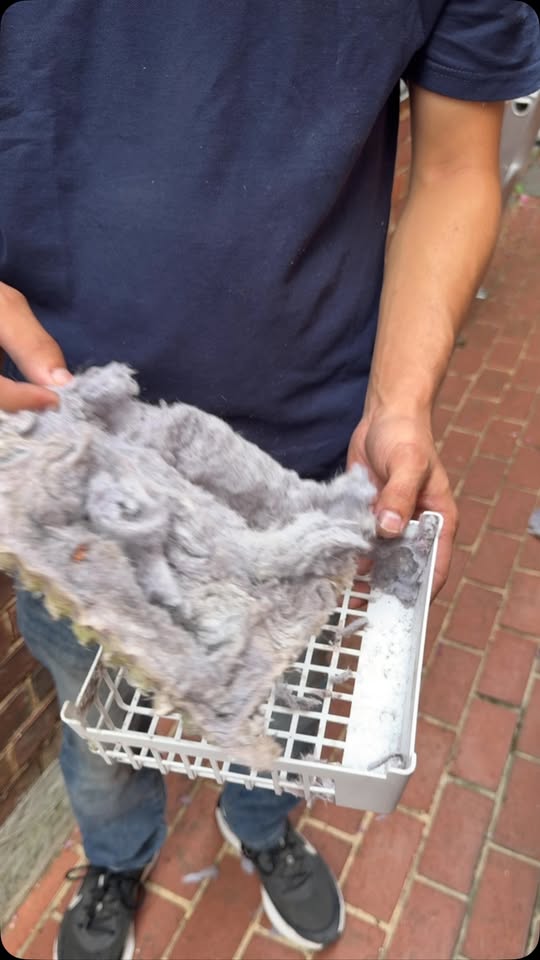 Real AirDuctVet photo
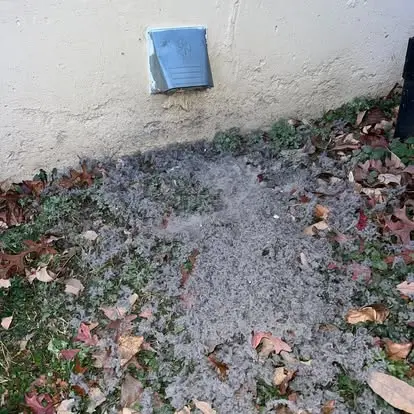 Real AirDuctVet photo
Clear, practical guidance: General education cannot replace an on-site inspection. We separate routine maintenance from conditions that need an HVAC, appliance, chimney, mold, or restoration specialist.
What should you do if a carbon-monoxide alarm sounds?
Treat the alarm as a safety event, not as a dryer-vent troubleshooting prompt. Move everyone to fresh air and follow the alarm manufacturer's instructions and local emergency guidance. Contact emergency services, the fire department, or the fuel utility as appropriate. Do not silence the alarm and restart the dryer to see whether it happens again.
Carbon monoxide is colorless and odorless. A burning smell, fuel-gas odor, hot laundry room, or weak exterior airflow may signal a different problem, but none can confirm or rule out carbon monoxide. CPSC recommends properly installed carbon-monoxide alarms and qualified inspection of fuel-burning appliances. An alarm is added protection, not a substitute for correct installation and maintenance.
Why does the dryer type matter?
A gas dryer uses a burner to produce heat. Its exhaust route carries heat, moisture, lint, and combustion products to an approved outdoor termination. A severe restriction, disconnected joint, improper termination, damaged duct, installation defect, or appliance malfunction deserves prompt evaluation because the system is not exhausting as intended.
A conventional electric dryer heats with electricity rather than fuel, so the dryer itself does not create carbon monoxide. It still needs a clear outdoor exhaust route for heat, moisture, and lint. If a carbon-monoxide alarm sounds near an electric dryer, another source such as a furnace, water heater, fireplace, vehicle, generator, or adjoining space must be considered by the appropriate qualified professional.
Does a clogged vent prove carbon monoxide is entering the home?
No. A blocked or restricted vent is evidence of an airflow problem, not a carbon-monoxide diagnosis. The actual risk depends on the dryer type, appliance condition, vent integrity, installation, termination, room ventilation, and whether combustion products are reaching occupied space. A vent-cleaning technician should not claim that lint alone proves a carbon-monoxide leak.
Likewise, normal-looking lint or a vent that appears open does not certify the gas dryer as safe. Carbon-monoxide testing, combustion analysis, gas-line work, burner diagnosis, and appliance repair require qualified equipment and the appropriate trade. When there is a safety concern, the dryer should remain off until that evaluation is complete.
Which dryer symptoms justify a vent inspection?
Longer drying times, repeated cycles, unusual heat, a weak or motionless exterior flap, lint around the termination, a crushed transition duct, or a dryer airflow warning can justify inspection of the exhaust route. These symptoms can come from lint, a nest, a damaged or disconnected duct, an overly complex route, an improper termination, or an appliance problem.
Do not use symptom lists to diagnose carbon monoxide. If there is an alarm, suspected fuel-gas leak, visible soot, smoke, scorching, or an appliance that repeatedly shuts down or overheats, stop using it and request the appropriate emergency, utility, fire, or appliance service first.
- Confirm whether the dryer is gas, electric, or ventless.
- Note the exact alarm, warning code, odor, sound, or drying symptom.
- Check the exterior flap only from a safe ground-level position.
- Photograph visible crushed, loose, foil, plastic, or damaged transition material.
- Share the route length, number of turns, termination location, and access limits.
What can dryer-vent cleaning correct?
Professional dryer-vent cleaning can remove qualifying accessible lint and approved removable obstructions from the connected exhaust route. The service can also confirm whether the exterior flap moves, document selected reachable sections, and identify visible transition or termination problems that need a separate correction. CPSC and NFPA advise keeping the exhaust pipe unrestricted and the outdoor flap able to open while the dryer operates.
Cleaning cannot repair a burner, igniter, gas valve, sensor, internal blower, damaged appliance duct, loose gas connection, disconnected hidden joint, or incorrect installation. It also cannot certify carbon-monoxide levels or guarantee that a gas dryer is safe to operate. Those findings require qualified appliance, gas, HVAC, or code-compliance service.
Can a camera or airflow check detect carbon monoxide?
No. A Cobra inspection camera may document selected reachable parts of a dryer exhaust route, such as lint, a nest, a damaged section, a disconnection, or a blocked termination. An airflow check may show that exhaust movement is weak or improved after cleaning. Neither method identifies carbon monoxide or evaluates gas combustion.
A camera cannot see through every elbow, wall, ceiling, roof assembly, closed damper, or inaccessible joint. A clear image from one section does not prove the full route is intact. If carbon monoxide or gas-appliance performance is the concern, ask a qualified professional to use the proper testing instruments and follow the appliance manufacturer's instructions.
What should the dryer exhaust route look like?
Follow the exact dryer manufacturer's installation instructions and applicable local requirements. Manufacturer guidance commonly calls for an outdoor exhaust hood, a short and direct route where practical, approved metal vent material, sealed connections, and no fasteners that protrude into the airflow and catch lint. The allowable length and number of elbows vary by model.
Cleaning does not make plastic, vinyl, crushed foil, a disconnected joint, a blocked screen, or an unsafe termination acceptable. If the route is damaged or incorrectly installed, request a separate repair or replacement scope from the appropriate qualified contractor before returning the dryer to service.
What does AirDuctVet include and exclude?
AirDuctVet can inspect and clean the approved accessible dryer exhaust route from the appliance connection toward the exterior termination, document relevant visible conditions, and explain when lint removal, bird-related work, access planning, or a separate repair is needed. Roof, high-wall, shared, concealed, or otherwise restricted terminations require confirmed safe access and a property-specific scope.
Dryer-vent service does not include carbon-monoxide diagnosis, gas-line work, burner or appliance repair, electrical work, building reconstruction, or certification that a gas dryer is safe. A qualified appliance technician, fuel utility, fire department, code professional, or other specialist may need to act before or after cleaning.
For separate air-duct service, coil cleaning must be requested, evaluated, and separately approved. Routine duct service does not automatically include mechanical diagnosis or repair, filter replacement, or appliance work. The blue Air-Care TurboJet Max II HEPA equipment is air-duct-only and is never used as dryer-vent cleaning equipment.
Quick answers about dryer vents and carbon monoxide
Can an electric dryer produce carbon monoxide? Not at the dryer, because it does not burn fuel. Another fuel-burning appliance or source in the building can still produce carbon monoxide.
Can lint make a gas dryer unsafe? A severe restriction can prevent the exhaust system from working as intended, but lint alone does not diagnose carbon-monoxide entry. Stop use and obtain the appropriate inspection when safety is in question.
Will cleaning reset a carbon-monoxide alarm? Cleaning is not an alarm reset or safety clearance. Follow emergency guidance and have the source identified before using the dryer again.
Can AirDuctVet test the gas burner? No. Dryer-vent cleaning is separate from gas-appliance diagnosis and repair.
Should the outdoor dryer flap move? It should be able to open when the dryer operates, subject to the manufacturer's design. A stuck or blocked termination needs inspection, but do not approach an unsafe height or roof.
What should I send with an estimate request? Share the ZIP code, dryer type, route and termination location, floor level, symptoms, warning codes, access details, and safe photos of the connection and exterior outlet.
Sources and further reading
Official guidance informs the general information above. AirDuctVet's included services are defined by your written quote; local requirements and manufacturer instructions may differ.