
Why Does My Air Duct Smell Like a Dead Animal?
A dead-animal odor at a vent may come from the duct, a wall or attic cavity, the air handler, or another source. Locate and remove the source before cleaning.
The short answer
A dead-animal odor near an air vent does not prove that the animal is inside the duct. The source may be in a wall, ceiling, attic, crawlspace, return cavity, air-handler area, or an accessible duct section. Turn the HVAC system off if running it clearly spreads a strong odor, then arrange a location-specific inspection. The correct order is to identify and safely remove the source, correct the animal entry point or infestation, assess contaminated materials, and clean only the approved HVAC surfaces that actually need it. Routine duct cleaning alone cannot remove a carcass hidden outside the duct system or prevent another animal from entering.
Three real AirDuctVet field photos
These authentic AirDuctVet job photos were selected for this topic. We do not use repeated AI artwork or stock photography.
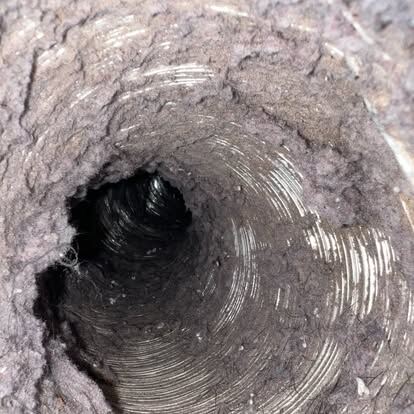 Real AirDuctVet photo
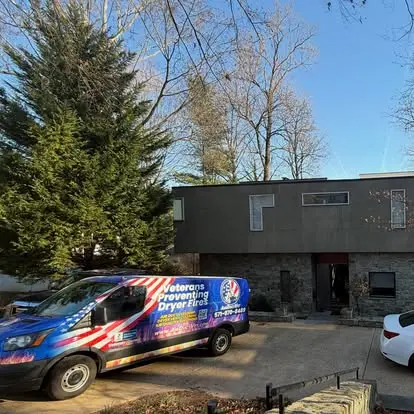 Real AirDuctVet photo
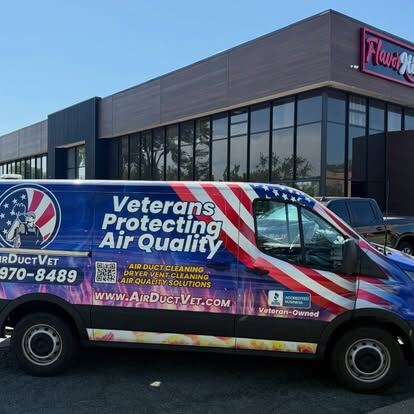 Real AirDuctVet photo
Clear, practical guidance: General education cannot replace an on-site inspection. We separate routine maintenance from conditions that need an HVAC, appliance, chimney, mold, or restoration specialist.
First, make sure the odor is not an immediate safety warning
A decomposing-animal odor is often described as sour, putrid, or unusually sweet, but odor descriptions are not diagnostic. A fuel-gas leak, sewer gas, an electrical fault, overheating equipment, stagnant condensate, microbial growth, or another building problem can be mistaken for an animal odor. Do not rely on smell alone to choose duct cleaning.
Leave the area and follow the appropriate emergency or utility guidance if you smell fuel gas, see smoke, hear sparking, notice unusual heat, or a carbon-monoxide alarm sounds. Carbon monoxide has no odor. Turn the HVAC system off and request qualified HVAC or electrical service when the odor is burning, electrical, oily, or tied to equipment overheating.
How can you narrow down where the odor is coming from?
Note whether the odor is strongest at one supply register, one return grille, the air handler, a wall or ceiling area, or throughout the property. Record whether it changes when the blower starts, when a door opens, or when the sun warms an attic or exterior wall. A smell concentrated at one opening may point to a nearby branch or building cavity, while an odor at many supplies can indicate a source near the return side or air handler. These patterns are clues, not proof.
From a safe position, look for visible insects, staining, nesting material, droppings, damaged grilles, gaps, or an accessible object without reaching into the duct. Do not remove structural panels, enter a confined space, climb into an unsafe attic, or run the system repeatedly just to intensify the smell. Keep children and pets away from suspected contaminated material.
- Identify the room and exact opening where the odor is strongest.
- Record whether the blower makes the odor stronger or simply moves it.
- Photograph visible material without touching or disturbing it.
- Note recent pest activity, scratching sounds, roof work, water leaks, or HVAC service.
- Find the HVAC system and zone serving the affected opening.
Could the animal be outside the duct system?
Yes. Animals can die in wall or ceiling cavities, attics, crawlspaces, chases, soffits, fireplaces, under appliances, or near an outdoor air intake. Air movement and pressure differences can pull that odor toward a return or through gaps around a boot, making the vent seem like the source. Cleaning the branch will not reach an animal behind drywall or insulation.
A pest-control or wildlife professional may need to locate the animal, determine whether an active infestation remains, and identify entry points. An HVAC professional may be needed when the source is near the air handler, blower, condensate system, filter rack, or another mechanical component. Building access, drywall removal, insulation replacement, structural repair, and pest exclusion are separate scopes.
Why should rodent or bird contamination not be dry-vacuumed?
CDC advises against sweeping or vacuuming rodent urine, droppings, or nesting material before it has been properly disinfected because disturbing dry material can put contaminated particles into the air. CDC also provides specific protective-equipment, wetting, disinfection, bagging, and disposal steps for dead rodents and nests. Heavy infestations require additional precautions and may need specialized cleanup.
Bird or bat droppings can create different exposure concerns. CDC/NIOSH recommends methods that reduce dust generation when accumulated droppings must be removed. Do not improvise by brushing, blowing, or using an ordinary household vacuum on unknown animal waste inside a duct. The species, quantity, surface, access, and local rules determine the appropriate professional and procedure.
Can air-duct cleaning remove the odor?
Sometimes, but only after the source is found. If an animal, nest, or contaminated debris is confirmed on an accessible hard duct surface and the approved cleanup removes that material, source-removal cleaning may reduce residual odor associated with that location. The technician should document where the material was found, what surfaces were affected, and what could not be reached.
Duct cleaning cannot remove an animal hidden in a wall, repair an entry point, treat a live infestation, replace contaminated insulation, or guarantee that all odor will disappear. Porous internal liner or insulation may not be cleanable after significant contamination and may require evaluation for removal or replacement. EPA advises correcting underlying causes before cleaning so the condition does not recur.
What can a duct camera confirm?
A Cobra inspection camera can help document selected reachable duct sections, boots, branches, trunks, or plenums. It may show an animal, nesting material, droppings, staining, a damaged section, or an open connection within its field of view. That evidence can help determine whether a duct-cleaning scope is relevant.
A camera cannot see through insulation, drywall, sharp bends, closed dampers, inaccessible equipment, or every branch in a complete system. A clear image from one section does not rule out a source elsewhere. The camera also cannot identify a pathogen, determine the full extent of contamination, or replace pest, wildlife, HVAC, environmental, or building-cavity diagnostics.
What does AirDuctVet evaluate and clean?
AirDuctVet can review the odor history, inspect approved accessible HVAC openings, use a camera in selected reachable sections, and determine whether qualifying removable material is present on surfaces included in a proposed air-duct scope. When cleaning is appropriate, the written quote defines the negative-air collection, agitation, accessible surfaces, documentation, and completion checks.
Live-animal removal, pest extermination, wildlife handling, carcass removal, contaminated-insulation or duct-liner replacement, drywall or structural access, entry-point repair, hazardous-material remediation, and HVAC mechanical repair are not automatically included. A separate pest, wildlife, restoration, environmental, HVAC, or building contractor may be required before or after duct service.
Coil cleaning must be requested, evaluated, and separately approved. Routine duct service does not automatically include mechanical diagnosis or repair, filter replacement, appliance work, or chemical treatment. The blue Air-Care TurboJet Max II HEPA equipment is used only for approved air-duct work; its use does not turn routine cleaning into pest remediation or guarantee odor removal.
Quick answers about dead-animal odors and air ducts
Should I keep the HVAC system running? If running it clearly spreads a strong odor or visible material, turn it off until the source and safe next step are evaluated. Follow qualified HVAC guidance when weather or building conditions make shutdown difficult.
Can I remove the register and vacuum the duct? Do not disturb suspected droppings, nesting material, or a carcass with an ordinary vacuum. Follow CDC guidance and use the appropriate professional for the contamination and access.
Will sanitizing solve the problem? Not by itself. The source must be removed, entry or infestation addressed, and affected materials evaluated. Any product must be appropriate for the surface and used exactly according to its current label.
Does a bad smell prove there is a dead animal? No. Odor alone cannot distinguish an animal from drainage, moisture, microbial, sewer, electrical, gas, or mechanical problems.
Who should I call first? Start with pest or wildlife service when there are active-animal signs, HVAC service for equipment or condensate concerns, emergency or utility help for gas or fire signs, and a duct professional when evidence points to accessible HVAC surfaces.
What should I send with an estimate request? Share the ZIP code, affected room and opening, HVAC system count, when the odor started, whether the blower changes it, any pest history, and safe photos or video of visible material.
Sources and further reading
Official guidance informs the general information above. AirDuctVet's included services are defined by your written quote; local requirements and manufacturer instructions may differ.
- Centers for Disease Control and Prevention: How to Clean Up After Rodents
- U.S. Environmental Protection Agency: Should You Have the Air Ducts in Your Home Cleaned?
- U.S. Environmental Protection Agency: Identify and Prevent Rodent Infestations
- CDC/NIOSH: Histoplasmosis Elimination and Engineering Controls