
Is a Burning Dust Smell From My HVAC Normal?
An HVAC system may smell like burning dust at seasonal startup, but persistent or sharp odors can signal a furnace, electrical, or combustion problem. Learn when to stop the system and who to call.
The short answer
A light dusty odor can occur when a heating system starts after sitting idle, and it should fade quickly. A smell that is strong, persistent, recurring, smoky, electrical, plastic-like, oily, or similar to rotten eggs is not a routine duct-cleaning question. Turn the system off if the odor is worsening or accompanied by smoke, sparks, unusual heat, alarms, or illness, and use the appropriate HVAC, electrical, gas-utility, or emergency response. Air duct cleaning may remove documented loose dust and debris from an approved accessible scope, but it cannot diagnose or repair a furnace, heat exchanger, wiring, motor, fuel leak, or combustion problem.
Three real AirDuctVet field photos
These authentic AirDuctVet job photos were selected for this topic. We do not use repeated AI artwork or stock photography.
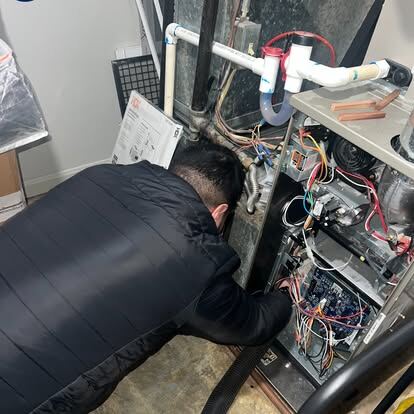 Real AirDuctVet photo
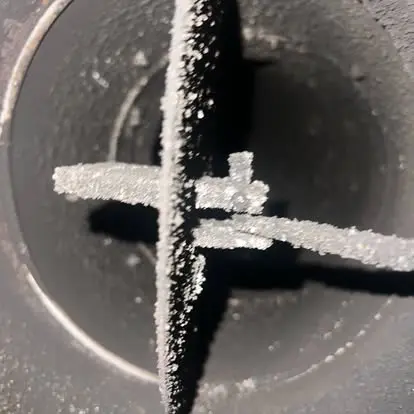 Real AirDuctVet photo
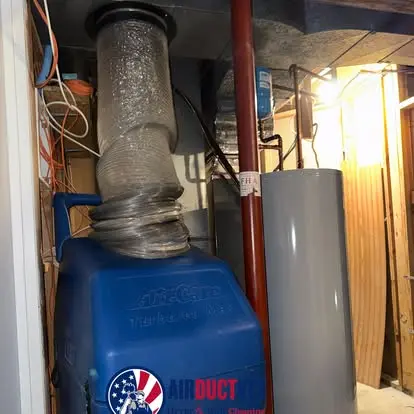 Real AirDuctVet photo
Clear, practical guidance: General education cannot replace an on-site inspection. We separate routine maintenance from conditions that need an HVAC, appliance, chimney, mold, or restoration specialist.
A brief first-startup dust smell can be normal
Dust can settle on accessible heating components and nearby surfaces while the system is not being used. When heat starts for the season, that material may produce a mild dusty or toasted smell. Trane and Carrier both describe a temporary burning-dust odor at startup as a condition that can fade after the system runs briefly.
The important words are mild and temporary. An odor that grows stronger, lasts beyond the initial startup period, returns during later cycles, or appears with visible smoke is not something to dismiss as ordinary dust. The smell alone cannot show whether the source is the furnace, air handler, heat pump, wiring, blower, filter, ductwork, register, or something unrelated in the room.
Stop the system when the warning signs go beyond dust
Shut the heating system off and arrange qualified help if you notice smoke, sparks, scorch marks, melting-plastic odor, hot electrical odor, repeated breaker trips, unusual equipment noise, an oil smell, or an odor that does not fade. Do not open energized equipment, touch a hot cabinet, or keep cycling the thermostat to test a worsening condition.
If you smell rotten eggs or suspect a fuel-gas leak, leave the building and contact the gas utility or emergency service from a safe location. Do not operate switches or create a flame. If a carbon-monoxide alarm sounds, follow the alarm instructions and emergency guidance. Carbon monoxide has no smell, color, or taste, so a normal-smelling room cannot prove that a fuel-burning system is safe.
- Move people and pets away from smoke, suspected gas, or an active electrical hazard.
- Use emergency services for fire, smoke, suspected gas, or a carbon-monoxide alarm rather than booking routine cleaning.
- Have mechanical, electrical, fuel, and combustion conditions evaluated by the appropriately qualified professional.
- Do not use fragrance, sanitizer, or repeated heating cycles to cover a safety warning.
Odor at a register does not prove the duct is the source
Supply air can carry an odor from the heating equipment to several rooms, so the smell may seem strongest at a register even when the source is upstream. A room-specific odor can also come from a dusty baseboard heater, lamp, outlet, appliance, fireplace, candle, stored material, or another local source. Note where and when the smell begins before assuming the ducts need cleaning.
A qualified HVAC technician may need to inspect the furnace or air handler, blower area, heating elements, burner and venting system, electrical components, filter condition, and operating sequence. A duct-cleaning appointment does not replace that diagnosis. AirDuctVet can document accessible duct and register conditions, but it does not certify combustion safety or rule out concealed mechanical and electrical faults.
What to check safely before requesting service
Without opening equipment, record whether the odor began at the first heating cycle of the season or during normal ongoing use. Note which rooms are affected, how long the smell lasts, whether the system is gas, electric, oil, or a heat pump, and whether there is smoke, an alarm, an error code, unusual noise, weak airflow, or recent repair or renovation work.
Look at the thermostat and any manufacturer-visible status display. Check the filter only if the manufacturer places it in a homeowner-serviceable location and you can do so safely. A loaded filter can affect airflow, but it does not identify the cause of a burning odor. Follow the equipment manufacturer's instructions and use an HVAC professional when access or diagnosis is outside normal homeowner maintenance.
When air duct cleaning may be relevant
Air duct cleaning may be worth evaluating when an inspection documents substantial accessible loose dust, construction debris, or other removable material inside the approved duct scope. EPA does not recommend cleaning every system on a fixed schedule and advises making the decision based on the conditions in the home. A dusty register by itself does not prove the full duct system is contaminated.
Cleaning cannot correct a failed motor, overheated wiring, damaged heat exchanger, burner problem, fuel leak, poor draft, blocked flue, or appliance defect. It also cannot promise that an odor will disappear when the source has not been identified. The source should be diagnosed first whenever the odor is persistent, sharp, smoky, chemical, or linked to equipment operation.
AirDuctVet scope and service limits
AirDuctVet can inspect accessible registers and selected reachable duct sections, document visible loose material, and provide an air-duct cleaning scope when source removal is appropriate. A Cobra inspection camera may help view selected accessible sections, but it cannot inspect every concealed surface or diagnose furnace, heat-pump, electrical, fuel, or combustion conditions.
Routine duct service does not automatically include mechanical diagnosis or repair, filter replacement, wiring work, burner service, heat-exchanger inspection, flue work, or fuel-gas testing. Coil cleaning must be requested, evaluated, and separately approved. AirDuctVet does not promise medical improvement, guaranteed utility savings, odor elimination, or a fixed routine cleaning interval.
Quick answers about a burning-dust HVAC smell
How long should a startup dust smell last? It should fade quickly. If it remains strong, returns on later cycles, or comes with smoke, heat, noise, or alarms, stop the system and contact a qualified HVAC professional.
Does a dirty filter mean the ducts need cleaning? No. A filter can become loaded for many reasons. Replace it according to the equipment and filter instructions, but do not treat it as proof that the ducts are the odor source. Filter replacement is not automatically included in routine AirDuctVet service.
Will duct cleaning fix a furnace burning smell? Only when documented removable duct material is actually contributing to the odor. Furnace, electrical, motor, burner, venting, and combustion problems require the appropriate specialist.
Can I smell carbon monoxide? No. Carbon monoxide is odorless, colorless, and tasteless. Maintain working alarms and follow CPSC and local emergency guidance if an alarm sounds or a fuel-burning appliance is suspected.
Will sanitizing remove the smell? A treatment cannot repair overheating equipment, wiring, a fuel leak, or a combustion problem. Any separately approved odor-control product comes only after the source is identified and the compatible surface is properly cleaned.
Sources and further reading
Official guidance informs the general information above. AirDuctVet's included services are defined by your written quote; local requirements and manufacturer instructions may differ.