
Why Does My Fireplace Smell Worse When It’s Humid?
A fireplace can smell stronger in humid weather when moisture and house pressure make soot, creosote, damp masonry, or debris odors more noticeable.
The short answer
A fireplace can smell worse when it is humid because moisture makes existing soot, creosote, damp masonry, or animal-debris odors more noticeable, while air conditioning and exhaust fans can pull that odor from the chimney into the room. Humidity is a clue, not a diagnosis. Sweeping may reduce accessible soot and debris, but water entry, a damaged cap or liner, negative pressure, mold, or another defect may require separate work.
Three real AirDuctVet field photos
These authentic AirDuctVet job photos were selected for this topic. We do not use repeated AI artwork or stock photography.
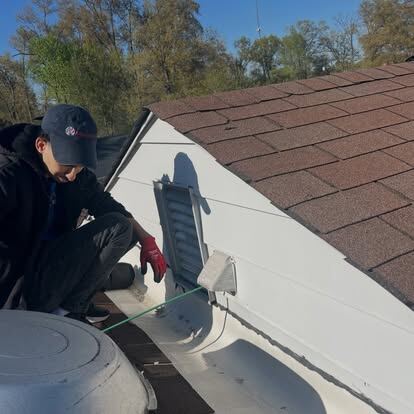 Real AirDuctVet photo
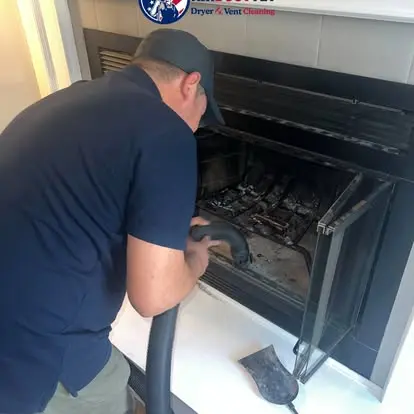 Real AirDuctVet photo
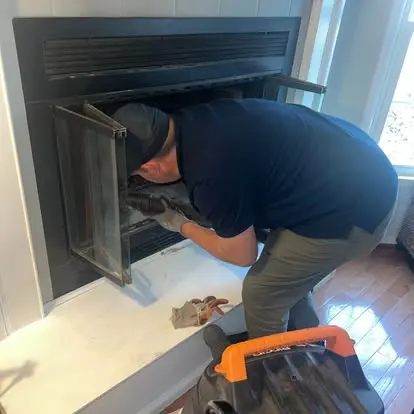 Real AirDuctVet photo
Clear, practical guidance: General education cannot replace an on-site inspection. We separate routine maintenance from conditions that need an HVAC, appliance, chimney, mold, or restoration specialist.
Why does humidity make a fireplace smell stronger?
A chimney can hold soot, creosote, ash, dust, nesting material, and moisture. When humid outdoor air or rain dampens those residues, their odor may become easier to notice. The Chimney Safety Institute of America also notes that summer humidity and air-conditioning operation can make creosote odor more noticeable.
Pressure matters too. A range hood, bathroom fan, clothes dryer, central return, or tightly closed house can place the room under negative pressure. If the chimney is the easiest path for replacement air, air can move down the flue and carry an existing odor into the living space. That possibility should be evaluated rather than covered with fragrance.
What conditions can cause a humid-weather chimney odor?
The source may be ordinary soot or creosote residue, rain entering around a cap or flashing, a wet or damaged masonry surface, leaves or animal nesting material, a closed or poorly sealing damper, or downdraft caused by pressure conditions. More than one condition can be present, so the weather pattern alone cannot identify the repair.
Visible moisture, staining, peeling finishes, efflorescence, or a musty odor can point to a water problem that cleaning alone will not correct. EPA guidance is clear that moisture control is the key to controlling indoor mold. Suspected microbial growth needs an appropriate moisture assessment and remediation plan; a chimney sweep should not be presented as mold remediation.
- Note whether the odor appears after rain, during humid weather, or when air conditioning or exhaust fans run.
- From the floor, look for water stains, loose debris, animal material, or a damper that does not appear to close normally.
- Do not climb onto a roof or reach into a flue to investigate an odor.
- Keep a carbon-monoxide alarm installed and maintained according to its manufacturer and local requirements.
Will chimney sweeping remove the smell?
It can help when accessible soot, creosote, ash, or debris is the main odor source. AirDuctVet can clean the approved accessible fireplace and flue areas under the written scope and document visible conditions. No responsible service can guarantee complete odor removal before the source is confirmed.
Sweeping does not repair a leaking cap, failed flashing, cracked crown, damaged liner, wet masonry, defective damper, or house-pressure problem. It also does not replace wildlife removal, mold remediation, roofing, masonry, HVAC balancing, or mechanical repair. Those conditions may need another qualified trade before or after cleaning.
When should you stop using the fireplace?
Do not use the fireplace if you see smoke entering the room, find a blockage, notice damaged masonry or components, hear active animals, or smell gas, burning material, or a sharp chemical odor. Leave the area and follow the appropriate emergency or utility guidance for a suspected gas or carbon-monoxide problem.
The U.S. Consumer Product Safety Commission recommends professional inspection of fuel-burning heating systems, including fireplaces, chimneys, flues, and vents, and warns that blocked or defective venting can create fire or carbon-monoxide hazards. An odor is not proof of a hazard, but it should not be used as the only basis for deciding that the system is safe to operate.
What can an AirDuctVet camera assessment confirm?
A camera can document selected reachable portions of a fireplace or flue and may help show deposits, debris, or a visible obstruction. It cannot see through every offset, joint, liner transition, concealed cavity, or inaccessible section, and it does not identify every material or certify the entire chimney system.
A routine camera assessment is not automatically a complete Level 2 chimney inspection. If a property sale, change in appliance, chimney fire, suspected damage, or another condition calls for a formal inspection level, the written scope must state that service explicitly and the appropriate qualified professional must perform it.
What is included and excluded from AirDuctVet service?
For an approved chimney scope, AirDuctVet can clean accessible soot and debris, review reachable components, and explain visible conditions. Chimney caps, animal issues, masonry, liners, water entry, roofing, mechanical parts, and microbial growth require separate evaluation and written approval, and some work must be referred to another qualified provider.
If a separate air-duct service is requested, routine duct cleaning does not automatically include mechanical repair or filter replacement. Coil cleaning must be specifically requested, separately evaluated, and approved. These HVAC exclusions remain separate from any chimney work described in this article.
AirDuctVet reviews qualifying chimney requests in Northern Virginia, Washington, DC, Maryland, Raleigh, Cary, and Miami. Safe access, system type, weather, property rules, and the written scope determine what can be inspected or cleaned at a specific property.
Frequently asked questions
Why does the odor get worse when the air conditioner runs? The system may change pressure in the house and help pull air down the chimney. An HVAC or chimney professional may need to evaluate the actual pressure and venting conditions.
Can I close the damper to stop the smell? A properly operating damper may reduce air movement when the fireplace is not in use, but it will not repair water entry, remove deposits, or correct a pressure problem. Never close it while a fire or warm ashes are present.
Does a musty smell prove there is mold in the chimney? No. Odor alone cannot identify microbial growth. Moisture and suspect material need an appropriate assessment before cleanup is planned.
Will one sweep guarantee the odor is gone? No. Sweeping can remove accessible deposits, but odor can remain if moisture, masonry, animal debris, pressure, or another source has not been corrected.
Is a camera check the same as a Level 2 chimney inspection? No. A limited camera view documents only the areas reached and is not automatically a complete Level 2 inspection.
Sources and further reading
Official guidance informs the general information above. AirDuctVet's included services are defined by your written quote; local requirements and manufacturer instructions may differ.