
Why Does My Dryer Vent Flap Stay Open?
A dryer vent flap may stay open because of lint, damage, wind, misalignment, or nesting. Learn what to check and when cleaning is not enough.
The short answer
A dryer vent flap that stays open after the dryer stops is often being held by lint or debris, but a bent hood, damaged hinge, missing damper, wind pressure, or nesting material can cause the same symptom. The flap should open freely while the dryer runs and return closed when airflow stops. If it is stuck, damaged, or blocked, stop using the dryer until the exhaust route and termination can be checked.
Three real AirDuctVet field photos
These authentic AirDuctVet job photos were selected for this topic. We do not use repeated AI artwork or stock photography.
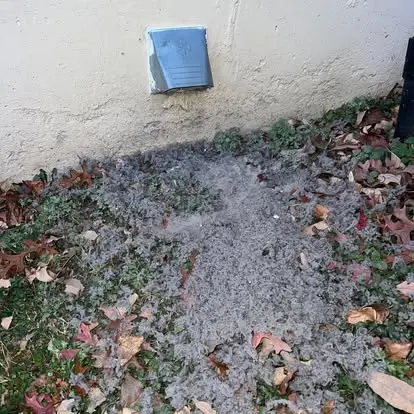 Real AirDuctVet photo
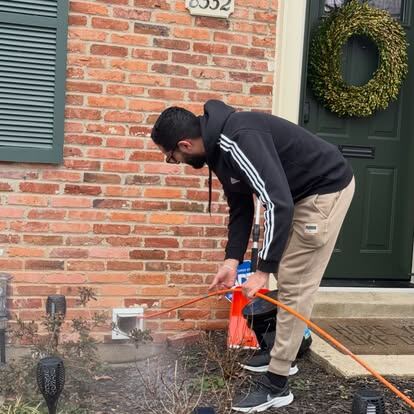 Real AirDuctVet photo
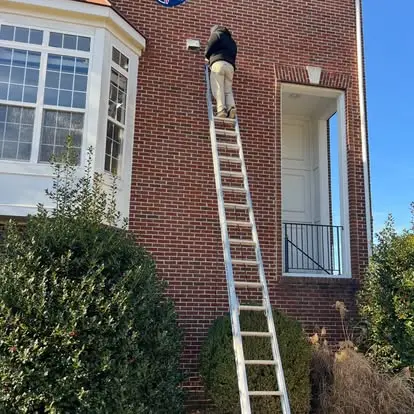 Real AirDuctVet photo
Clear, practical guidance: General education cannot replace an on-site inspection. We separate routine maintenance from conditions that need an HVAC, appliance, chimney, mold, or restoration specialist.
Why does my dryer vent flap stay open?
The exterior flap is a backdraft damper. Dryer airflow pushes it open during a cycle, and gravity or the hood's design lets it close afterward. When the flap remains open, first look for lint packed around the hinge or lower edge. Paint, corrosion, warping, a loose fastener, an incorrectly installed hood, or a damaged damper can also prevent normal movement.
Wind can move a lightweight flap temporarily, but repeated sticking needs attention. An open termination can allow rain, outdoor debris, insects, or animals into the route. A flap that barely opens while the dryer runs points to a different concern: weak airflow, a restriction, a crushed transition connection, or another problem between the appliance and the exterior outlet.
What should you observe with the dryer on and off?
From a safe ground-level position, watch the termination during a normal cycle and again after the dryer stops. The damper should move without binding. Do not climb onto a roof or use an unsafe ladder to test it. If the outlet is above a lower story, share clear photos or video taken from a safe location and explain whether the flap moves at all.
- With the dryer running, note whether the flap opens fully, partly, pulses, or stays closed.
- After shutdown, allow the airflow to stop and see whether the flap returns closed.
- Look for lint, nest material, a bent edge, broken hinge, missing flap, screen, or guard blocking movement.
- Check behind the dryer for a crushed or disconnected transition duct without moving a gas appliance or straining connections.
- Stop using the dryer if there is a burning smell, unusual heat, smoke, a blocked outlet, active birds, or a vent warning that persists.
Does the exterior dryer vent need a flap?
The 2024 International Residential Code describes a dryer exhaust termination with a backdraft damper and prohibits screens at the duct termination. Local jurisdictions may enforce a different code edition or amendment, and the dryer's installation instructions also apply. The important distinction is that a movable damper is intended to open with exhaust airflow, while a lint-catching screen can restrict the outlet.
Do not wedge the flap open, add mesh over the outlet, or improvise a cover that reduces the clear opening. A bird guard must be compatible with dryer exhaust, allow the damper to operate, and remain accessible for inspection and cleaning. Property managers, condominium associations, landlords, or roofing contractors may control exterior modifications.
Can dryer vent cleaning fix a flap that stays open?
Cleaning may solve the problem when accessible lint or debris is physically holding the damper open. It will not repair a cracked hood, missing flap, corroded hinge, deformed termination, concealed disconnection, improper route, or damaged building exterior. Those conditions need a separately approved repair or replacement by the appropriate qualified trade.
Whirlpool advises cleaning lint from the vent hood and keeping the vent path short, straight, and consistent with the dryer instructions. Cleaning the termination alone is not proof that the full route is clear. Airflow, the appliance connection, accessible duct sections, route length and bends, and any warning code may all need to be considered.
Could birds or pests be keeping the flap open?
Yes. Twigs, grass, nesting material, insects, or an animal can interfere with the damper. Do not reach into an occupied vent or disturb birds, eggs, or young. The species, season, federal protections, local rules, access, and a lawful next step must be confirmed before active nesting material is removed.
Once the route is confirmed unoccupied, qualifying debris removal and a compatible guard may be considered as separate approved work. Cleaning does not guarantee that wildlife will not return, and a guard should not trap lint or stop the damper from opening fully.
What does AirDuctVet include and exclude?
AirDuctVet can inspect accessible parts of the dryer vent route, document the exterior termination, remove qualifying accessible lint or inactive debris within the approved scope, and test observable airflow conditions. A Cobra inspection camera may help document reachable sections, but it cannot pass every bend, prove every concealed joint is sound, identify every obstruction, or certify the entire installation.
Routine dryer vent cleaning does not automatically include replacement of the exterior hood, roofing or siding work, electrical or gas work, appliance repair, concealed duct replacement, wildlife handling, or mechanical repair. Any additional work must be evaluated and separately approved in writing.
Air-duct cleaning is a different service. Coil cleaning must be specifically requested and separately evaluated and approved. Routine air-duct service does not automatically include mechanical repair or filter replacement. AirDuctVet serves qualifying properties in Northern Virginia, Washington, DC, Maryland, Raleigh, Cary, and Miami, subject to access and the written scope.
Frequently asked questions
Is it normal for the flap to remain slightly open? It may move briefly in wind or while residual airflow stops, but it should not stay wedged open by lint, damage, or debris.
Can I tape the flap shut? No. The termination must open when the dryer operates. Taping it shut can block exhaust and does not correct the cause.
Why does the flap open only a little while the dryer runs? A restriction, long or complex route, crushed connection, weak appliance airflow, stuck damper, or blocked termination may be involved. Inspection should separate cleaning needs from appliance or duct repairs.
Should I install a screen to keep pests out? A lint-catching screen should not cover a dryer exhaust termination. A compatible low-restriction guard may be considered only when it does not interfere with the damper and remains serviceable.
Will cleaning guarantee the flap closes afterward? No. Cleaning can remove qualifying debris, but a damaged or poorly installed hood may still require separate repair or replacement.
How often should the vent be cleaned? There is no single fixed interval for every property. Base service on the dryer instructions, route, use, access, warning signs, and documented buildup.
Sources and further reading
Official guidance informs the general information above. AirDuctVet's included services are defined by your written quote; local requirements and manufacturer instructions may differ.