
Why Does My AC Smell Musty in Miami?
A musty AC smell in Miami usually points to excess moisture or affected material near the air handler, drain system, insulation, return path, or ducts. Find the source before choosing cleaning.
The short answer
A musty AC smell in a Miami property usually means moisture is collecting somewhere that needs investigation, but odor alone does not prove mold is inside the air ducts. The source may be a condensate pan or drain problem, a wet coil area, damp insulation or duct liner, a return cavity, an air-handler cabinet, a building leak, or an accessible duct section. The correct order is to locate and stop the moisture, determine which materials can be cleaned and which require replacement, correct any HVAC or building defect, and clean only the approved surfaces that need it. Routine duct cleaning cannot repair a drain, dry a wall cavity, replace wet insulation, or guarantee that a musty odor will disappear.
Three real AirDuctVet field photos
These authentic AirDuctVet job photos were selected for this topic. We do not use repeated AI artwork or stock photography.
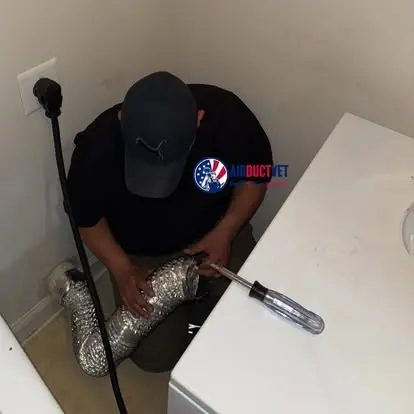 Real AirDuctVet photo
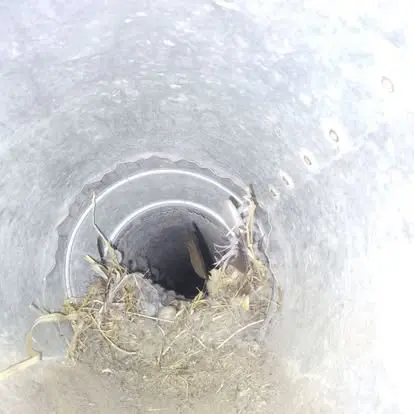 Real AirDuctVet photo
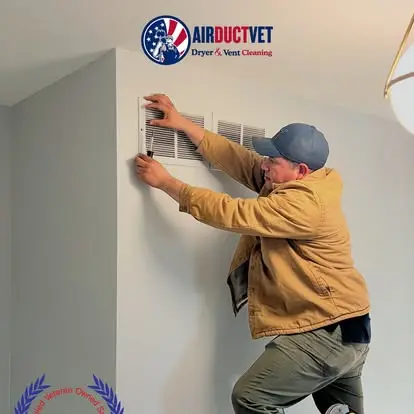 Real AirDuctVet photo
Clear, practical guidance: General education cannot replace an on-site inspection. We separate routine maintenance from conditions that need an HVAC, appliance, chimney, mold, or restoration specialist.
Why is a musty AC smell worth investigating in Miami?
South Florida's hot-humid conditions can make indoor moisture control more demanding. Cooling equipment must manage temperature, condensate, and humidity, while humid outdoor air can enter through open doors, leaks, unsealed returns, or pressure differences. A property can feel cool and still have a moisture problem in a concealed or poorly drained area.
The U.S. Department of Energy notes that humidity control can remain challenging in hot-humid climates even in newer, tighter homes. This does not mean every Miami AC odor is mold. It means a useful inspection should look for the actual moisture source and affected material instead of assuming that deodorizing or duct cleaning is the complete answer.
Does a musty smell prove there is mold in the air ducts?
No. EPA explains that a moldy or musty odor suggests possible growth and should be investigated, but smell cannot identify the material, species, location, or extent. Dust, a dirty filter area, stagnant condensate, wet insulation, an air-handler cabinet, a drain problem, a wall cavity, or another building source can create a similar odor and move through the return or supply air.
Color and photographs are also not enough to make a positive mold identification. Florida Department of Health guidance focuses first on visible growth, water damage, condensation, standing water, and the moisture source. Testing is not automatically necessary, and any testing that is performed should be interpreted by an experienced professional for a defined purpose.
Where should the inspection start?
Start with the odor pattern. Note whether it is strongest when cooling begins, at one register, at several supplies, near a return grille, inside a closet, or around the air handler. Record recent leaks, drain backups, roof or plumbing work, long shutdowns, filter changes, storms, or visible condensation. These observations help separate a system source from a nearby building cavity.
From a safe position, look for water staining, a wet filter area, standing water, visible growth, damaged insulation, an overflowing pan, or a blocked drain indication. Do not open energized equipment, disturb unknown growth, or enter an unsafe attic or mechanical space. An HVAC professional should evaluate condensate drainage, cooling coils, blower components, cabinet conditions, refrigerant or airflow faults, and equipment sizing concerns when those may be involved.
- Identify the room, vent, return, or equipment area where the odor is strongest.
- Record whether the smell appears only during cooling, after rain, or when the blower starts.
- Photograph visible stains, condensation, standing water, damaged insulation, and accessible vents.
- Note the filter location, last change, HVAC system count, and any recent drain or water event.
- For a condominium, confirm whether the unit, association, or building engineer controls the affected equipment and access.
Why should moisture correction come before duct cleaning?
Florida Department of Health and EPA both emphasize moisture control. If a drain line is blocked, a pan is not draining, insulation is wet, a roof or plumbing leak remains active, or humid air is reaching a cold surface, cleaning alone will not prevent the condition from returning. The leak, drainage, insulation, ventilation, or HVAC problem must be corrected by the appropriate qualified professional.
EPA advises paying particular attention to cooling coils, drain pans, drain lines, wet insulation, and ducts in unconditioned spaces. A system that is oversized or operating incorrectly can also have difficulty managing moisture. Duct cleaning is a source-removal service for an approved scope, not a substitute for mechanical diagnosis, dehumidification design, leak repair, or building restoration.
When can air-duct cleaning be relevant?
Duct cleaning may be relevant after the moisture source is controlled when qualifying removable material is confirmed on accessible hard duct surfaces or other components included in the written scope. EPA says homeowners should ask a provider to show the visible condition because many parts of a system are not accessible for inspection.
Wet or visibly moldy fiberglass liner and insulation cannot always be effectively cleaned. EPA guidance says affected insulated duct material may need removal and replacement by a qualified heating and cooling contractor. Cleaning an adjacent metal section does not restore wet porous material or resolve contamination hidden in a wall, ceiling, chase, or air-handler insulation.
What can a Cobra camera show?
A Cobra inspection camera can document selected reachable sections of ducts, boots, trunks, or plenums. It may show visible material, staining, debris, a wet area, damaged insulation, an open joint, or a condition that supports a more specific cleaning or repair plan.
A camera cannot see through insulation, drywall, sharp bends, sealed equipment, or every branch in a complete system. It cannot identify mold from an image, measure indoor humidity, diagnose a drain or refrigeration problem, or replace an HVAC or qualified mold assessment. A clear camera view in one section does not rule out a source elsewhere.
What should Miami condominium residents confirm?
In a condominium, the air handler may be inside the unit while condensate piping, chases, roof components, exterior walls, or shared mechanical systems are controlled by the association or building. Before scheduling, ask management who is responsible for the suspected source, whether engineering or maintenance must inspect first, and whether contractor insurance, elevator, parking, work-hour, roof, or mechanical-room requirements apply.
A unit-level duct appointment does not authorize work on shared shafts, central equipment, another unit, building drains, or concealed common elements. Send AirDuctVet the property ZIP code, equipment and vent photos, the odor pattern, system location, and any building instructions so the team can confirm whether an accessible duct scope is relevant.
What does AirDuctVet include and exclude?
AirDuctVet can review the odor history, inspect approved accessible HVAC openings, use a camera in selected reachable sections, and determine whether qualifying removable material is present on surfaces included in a proposed air-duct scope. When cleaning is appropriate, the written quote defines the negative-air collection, agitation, accessible surfaces, documentation, and completion checks.
Routine air-duct service does not automatically include HVAC diagnosis or mechanical repair, refrigerant work, condensate drain or pan repair, leak correction, insulation or duct-liner replacement, drywall access, building remediation, filter replacement, laboratory testing, or a guarantee of odor removal. Another HVAC, restoration, plumbing, roofing, environmental, or building contractor may need to act first.
Coil cleaning must be requested, evaluated, and separately approved. The blue Air-Care TurboJet Max II HEPA equipment may be used only for approved air-duct cleaning work; it does not repair a moisture source or turn routine cleaning into mold remediation. No cleaning service can promise medical improvement, guaranteed energy savings, or a fixed routine interval for every property.
Quick answers about musty AC odors in Miami
Should I spray deodorizer into the vents? No. Fragrance can mask an odor without correcting moisture, drainage, damaged material, or growth. Any treatment must be appropriate for the surface and used according to its current label.
Should I turn the AC off? If there is active water, smoke, an electrical or burning odor, or visible material is being distributed, stop the system and seek qualified guidance. In hot-humid conditions, a prolonged shutdown can create other moisture concerns, so the responsible HVAC or building professional should guide the next step.
Will a new filter remove the smell? A filter change may be appropriate maintenance, but it will not repair a drain, dry wet insulation, remove material from ducts, or correct a building leak. Filter replacement is not automatically included in routine duct service.
Does black material prove toxic mold? No. Color does not identify a species or establish toxicity. Correct the moisture source and use qualified assessment when identification would change the scope.
Can cleaning guarantee the odor will disappear? No. Results depend on locating and correcting every relevant source, including areas outside the duct-cleaning scope.
What should I send for a South Florida estimate? Share the ZIP code, property type, HVAC system count, equipment and vent locations, odor pattern, moisture history, safe photos, and any condominium access requirements.
Sources and further reading
Official guidance informs the general information above. AirDuctVet's included services are defined by your written quote; local requirements and manufacturer instructions may differ.