
Should HVAC Be On During Air Duct Cleaning?
Should HVAC be on during air duct cleaning? Usually not in normal heating, cooling, or fan mode. Learn who controls the system and what to expect before restart.
The short answer
Usually, no. Do not run normal heating, cooling, or fan circulation while air ducts are being cleaned unless the crew specifically directs it. The technicians may control the air handler and use dedicated negative-air equipment during different stages, but that is not the same as leaving the thermostat on. Ask before changing any setting, and wait for the crew to confirm the system is ready to restart.
Three real AirDuctVet field photos
These authentic AirDuctVet job photos were selected for this topic. We do not use repeated AI artwork or stock photography.
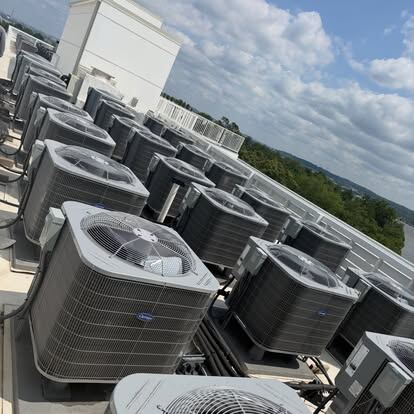 Real AirDuctVet photo
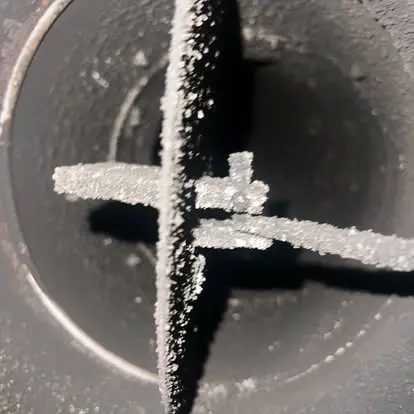 Real AirDuctVet photo
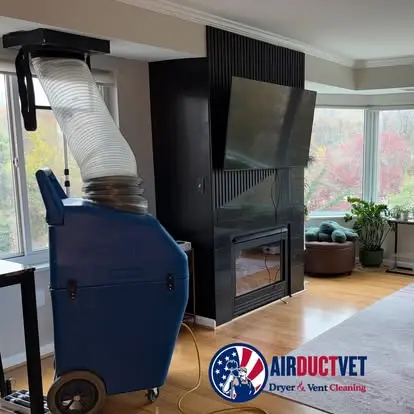 Real AirDuctVet photo
Clear, practical guidance: General education cannot replace an on-site inspection. We separate routine maintenance from conditions that need an HVAC, appliance, chimney, mold, or restoration specialist.
Should HVAC be on during air duct cleaning?
For most source-removal duct-cleaning work, the heating and cooling system should not cycle normally while registers, access points, or sections of duct are being prepared and cleaned. AirDuctVet's crew controls the work sequence and will tell the homeowner when the thermostat or fan may be used. Do not turn the system on because a room feels warm or cold without checking first.
The technicians may operate dedicated collection equipment while the HVAC blower remains off. For qualifying air-duct jobs, AirDuctVet may use the blue Air-Care TurboJet Max II HEPA equipment to create controlled airflow for debris collection. Equipment selection and connection points depend on the system, access, and approved scope.
Why is normal heating or cooling usually paused?
Professional cleaning is designed to dislodge qualifying debris and capture it with controlled vacuum collection. The U.S. Environmental Protection Agency advises using vacuum equipment that exhausts outdoors or HEPA equipment when exhaust remains indoors, protecting furnishings, and combining controlled brushing with contact vacuuming. Those safeguards depend on controlling where air and loosened material move.
An unexpected blower cycle can interfere with the planned airflow, move debris toward an open register, or operate while a filter, grille, or access panel is temporarily removed. It can also create an unsafe surprise for someone working near moving HVAC components. The technician, not the thermostat schedule, should determine when the system operates during service.
What should you do before the crew arrives?
Leave the system in its ordinary setting until the appointment unless the office gives different instructions. When the crew arrives, point out every thermostat, air handler, filter location, zoning control, and any room with special temperature needs. The technician can then explain when normal operation will pause.
- Do not remove equipment panels or disconnect power on your own.
- Tell the office about multiple HVAC systems, heat pumps, zoning, humidifiers, air cleaners, or smart thermostats.
- Keep pets and children away from hoses, open registers, access equipment, and work areas.
- Mention anyone or anything that requires close temperature control before the appointment is scheduled.
- Provide clear access to thermostats, registers, returns, the air handler, and the approved equipment route.
When can the HVAC system be turned back on?
Wait until the crew says the cleaning stage is complete and the system is ready. Before normal operation resumes, temporary protections should be removed, registers and grilles should be reattached, access openings should be sealed as required, and the filter area should be left in an appropriate condition for the approved scope. EPA's post-cleaning checklist also asks whether the system functions properly in both heating and cooling modes after cleaning.
If the system does not restart normally, do not repeatedly cycle breakers or force the thermostat. Tell the crew while they are still on site when possible. A pre-existing control, electrical, refrigerant, combustion, blower, or other mechanical problem may require an appropriately qualified HVAC contractor; routine duct cleaning does not automatically include mechanical diagnosis or repair.
Does duct cleaning include the coil, filter, or an HVAC tune-up?
No. AirDuctVet's routine air-duct cleaning does not automatically include mechanical repair, an HVAC tune-up, or filter replacement. Filter selection and replacement remain separate from the cleaning scope unless the written quote says otherwise. ENERGY STAR treats filter inspection or replacement and professional HVAC maintenance as ongoing maintenance tasks, not proof that duct cleaning is required.
Coil cleaning is also not included unless the customer specifically requests it. When requested, AirDuctVet must evaluate the coil and the access, then list the work as a separately approved service. A dirty, damaged, frozen, leaking, or poorly draining coil can involve conditions outside routine duct cleaning and may need an HVAC professional.
How should you plan for a hot, cold, or occupied home?
Ask the office how long the system serving the work area is expected to be unavailable, but treat any estimate as approximate. System count, access, duct layout, contamination level, and conditions found on site can change the sequence. Do not schedule around a promise that heating or cooling will remain available throughout the work.
For infants, older adults, pets, temperature-sensitive medications, home medical equipment, or severe outdoor conditions, arrange a safe alternative before service. Air-duct cleaning is not emergency HVAC repair and should not proceed if temporarily pausing the system would create an unsafe condition.
Frequently asked questions
Can I leave the thermostat set to fan on? Usually not. A continuously running blower can conflict with the technician's controlled cleaning setup. Let the crew decide when the blower or thermostat is used.
Will the technicians use my HVAC fan for cleaning? Procedures vary by system and scope. The crew may control certain equipment during parts of the process, but dedicated negative-air and vacuum equipment performs the planned collection work.
Should I replace the filter immediately after duct cleaning? Follow the HVAC manufacturer's filter requirements and the crew's handoff notes. AirDuctVet does not automatically include filter replacement with routine duct service.
Does the HVAC need to stay off all day? Not necessarily. The off period depends on the system and work sequence. The technician should tell you when normal operation may resume.
How often should this be done? There is no fixed routine interval that fits every home. EPA recommends considering duct cleaning as needed based on actual conditions rather than treating it as automatic annual maintenance.
Sources and further reading
Official guidance informs the general information above. AirDuctVet's included services are defined by your written quote; local requirements and manufacturer instructions may differ.