
Should Air Ducts Be Cleaned After Renovation?
Air duct cleaning after renovation is appropriate when inspection confirms drywall dust, sawdust, or other construction debris inside the HVAC system.
The short answer
Not automatically. Air duct cleaning after renovation is worth considering when an inspection confirms drywall dust, sawdust, insulation fragments, or other construction debris inside accessible ducts or HVAC components. If the system was isolated and the ducts stayed clean, whole-system cleaning may not be necessary. Finish the renovation, complete surface cleanup, and inspect the system before approving work.
Three real AirDuctVet field photos
These authentic AirDuctVet job photos were selected for this topic. We do not use repeated AI artwork or stock photography.
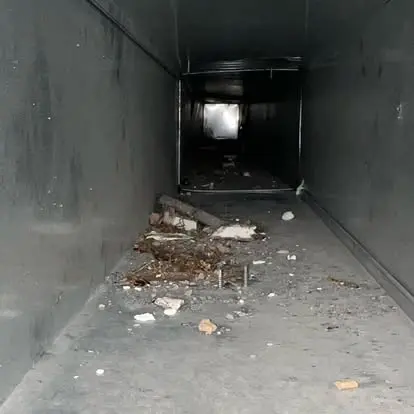 Real AirDuctVet photo
 Real AirDuctVet photo
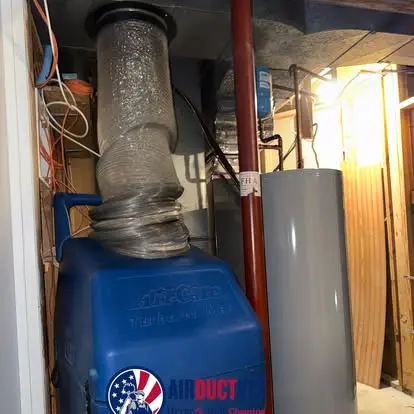 Real AirDuctVet photo
Clear, practical guidance: General education cannot replace an on-site inspection. We separate routine maintenance from conditions that need an HVAC, appliance, chimney, mold, or restoration specialist.
When should air ducts be cleaned after renovation?
Cleaning is most reasonable when physical debris is visible inside accessible supply or return ducts, registers release construction material, or the HVAC system operated while dusty demolition, sanding, cutting, or drywall work was underway. A loaded filter or dusty register face alone does not prove that the full duct system needs cleaning, so the accessible system should be inspected first.
The U.S. Department of Energy's Building America guidance calls for removing construction debris from ducts after construction when that debris is present. NIH guidance emphasizes prevention by sealing ductwork during renovation. Both support a condition-based decision rather than an automatic cleaning schedule.
What should be checked before cleaning?
Ask whether the HVAC system ran during the project, which rooms were affected, whether supply and return openings were sealed, what materials were cut or sanded, and whether contractors used dust barriers and local exhaust. Then inspect reachable registers, return openings, main trunks, equipment access areas, and the current filter condition.
A Cobra inspection camera can help document reachable duct sections, but it cannot pass every branch, bend, damper, or obstruction. Camera footage represents only the areas reached. It is not a mechanical diagnosis or proof that every concealed section is clean, intact, or properly sealed.
- Look for drywall pieces, sawdust, wood fragments, insulation, fasteners, or heavy loose dust inside reachable ductwork.
- Document which vents were open, covered, or operating during the dusty work.
- Check whether the filter is unusually loaded and ask an HVAC professional about the correct replacement specification.
- Identify paint, lead, asbestos, mold, or other hazardous-material concerns before ordinary duct cleaning begins.
- Separate visible duct debris from dust already resting on floors, trim, furniture, and other room surfaces.
What should happen before a post-renovation duct appointment?
Complete the dusty work first. Remove project debris, clean horizontal surfaces, and confirm that contractors have addressed the source. EPA remodeling guidance recommends containing dust, using local exhaust, and cleaning the work area before occupants return. Cleaning ducts while demolition or sanding continues can allow new material to enter after service.
If the renovation disturbed material that may contain lead, asbestos, or another regulated hazard, stop and use the appropriate qualified professional. Routine air duct cleaning is not hazardous-material abatement, and ordinary vacuuming should not be used as a substitute for required containment or remediation.
How does AirDuctVet handle confirmed construction debris?
For qualifying loose dust and debris, AirDuctVet can use commercial HEPA negative-air equipment to support controlled source removal from the approved accessible system. Larger drywall pieces, wood fragments, or heavy construction material may require an approved vent-by-vent brush and compressed-air scope. The crew should explain any expanded scope before additional work begins.
The selected method depends on the material, duct construction, system layout, access, and condition. Flexible duct, internally lined duct, damaged sections, inaccessible branches, and delicate components can limit the tools that are appropriate. Cleaning should not be forced where it could damage the system.
What will post-renovation duct cleaning not fix?
Duct cleaning cannot repair a disconnected run, seal hidden leakage, correct poor design, diagnose weak airflow, repair HVAC equipment, or stop dust from an unfinished project. It also cannot remove construction dust that remains on walls, floors, cabinets, ceilings, fabrics, or other room surfaces.
Routine AirDuctVet air-duct service does not automatically include mechanical repair or filter replacement. Coil cleaning must be specifically requested, separately evaluated, and approved. If debris reached the blower, coil, or another mechanical component, an HVAC contractor may need to evaluate that equipment under a separate scope.
How can renovation dust be kept out of the ducts?
Plan dust control before work starts. Discuss HVAC isolation with the contractor, protect openings in the work zone, use barriers and appropriate exhaust, and avoid operating the system in a way that draws construction dust into returns. The correct approach depends on weather, occupancy, equipment needs, and the project, so do not block essential ventilation or operate equipment contrary to professional instructions.
After the work, inspect accessible areas and document conditions before deciding on cleaning. There is no fixed post-renovation interval that applies to every home. The need depends on what work occurred, how well the system was protected, whether it operated, and what the inspection actually finds.
Frequently asked questions
Do all remodels require air duct cleaning? No. Inspect first. Cleaning is most defensible when construction debris is confirmed inside the accessible system.
Should the ducts be cleaned before the renovation ends? Usually no. Complete dusty work and source cleanup first unless a project-specific safety plan requires another sequence.
Can a new filter remove debris already inside the ducts? A filter can capture some airborne particles, but it does not remove drywall pieces, sawdust, or settled debris already inside ductwork. Use the correct filter specified for the system.
Does cleaning remove dust from the whole house? No. Floors, walls, cabinets, fabrics, and other surfaces need separate post-construction cleaning.
Does routine service include the coil, blower repair, or a new filter? No. Coil cleaning requires a separate request and approval. Mechanical repair and filter replacement are not automatically included.
Can AirDuctVet inspect renovation debris in my area? AirDuctVet reviews qualifying properties in Northern Virginia, Washington, DC, Maryland, Raleigh, Cary, and Miami. Access and the written scope determine what can be inspected and cleaned.
Sources and further reading
Official guidance informs the general information above. AirDuctVet's included services are defined by your written quote; local requirements and manufacturer instructions may differ.
- U.S. EPA: Best Practices for Indoor Air Quality When Remodeling Your Home
- NIH Division of Occupational Health and Safety: HVAC Duct Cleaning Fact Sheet
- U.S. Department of Energy Building America Solution Center: Removing Construction Debris from Ducts
- U.S. EPA: Should You Have the Air Ducts in Your Home Cleaned?