
Can I Run My Dryer If the Vent Hose Is Disconnected?
Do not run a vented dryer with its exhaust hose disconnected. Learn why, what to check safely, and when cleaning, reconnection, or repair is needed.
The short answer
No. Do not operate a vented dryer with its exhaust hose disconnected. Stop use until the connector and the full exhaust path have been checked and securely reconnected. A loose hose can release hot, humid, lint-laden exhaust into the room instead of outdoors. A gas dryer also has combustion exhaust requirements, so its manufacturer instructions and a qualified appliance or gas professional must guide the response. The three AirDuctVet field photos below show a real dryer connection, an exterior termination, and dryer-vent service. They do not diagnose your installation.
Three real AirDuctVet field photos
These authentic AirDuctVet job photos were selected for this topic. We do not use repeated AI artwork or stock photography.
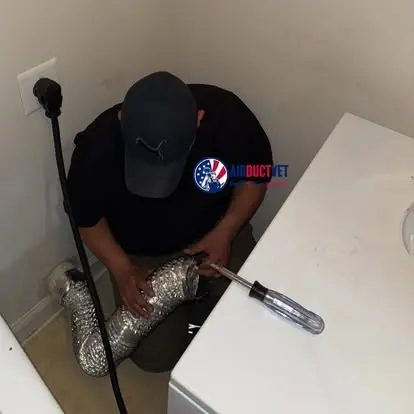 Real AirDuctVet photo
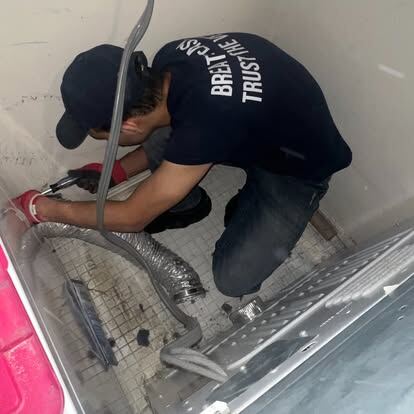 Real AirDuctVet photo
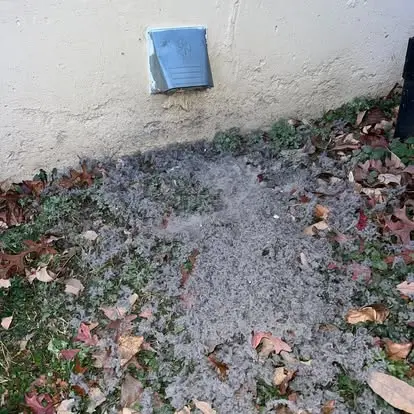 Real AirDuctVet photo
Clear, practical guidance: General education cannot replace an on-site inspection. We separate routine maintenance from conditions that need an HVAC, appliance, chimney, mold, or restoration specialist.
Stop the dryer until the exhaust connection is secure
A vented dryer is designed to move exhaust through a connected duct to an approved outdoor termination. The U.S. Fire Administration explains that clothes dryers should exhaust directly outdoors, while manufacturer guidance calls for the vent to be secured at the dryer and exterior hood. A disconnected hose breaks that intended path.
Do not run a short test cycle with the hose loose. Turn the dryer off and follow the appliance instructions before approaching or moving it. If you see smoke or sparks, smell burning material, or suspect a fire, leave the area and call 911. If you smell gas, leave the building and follow the gas utility's emergency instructions without operating switches or attempting a repair.
- Keep children and pets away from the appliance and loose connector.
- Do not reach behind a hot dryer or pull on a gas line.
- Do not use the dryer to blow lint or debris into the laundry room.
- Photograph the connection from a safe position before anything is moved.
A disconnected hose releases moisture and lint indoors
Dryer exhaust carries heat, moisture, and lint that passed the lint screen. When the connector is detached, those materials can collect behind the appliance and on nearby walls, floors, stored items, and equipment. Indoor venting can also raise laundry-room humidity and hide the condition of the route that should carry exhaust outdoors.
Reconnecting only the visible hose does not prove that the concealed duct and exterior termination are clear. A blockage, crushed connector, stuck exterior damper, nest, separated joint, or damaged duct may have contributed to the disconnection or may remain after the hose is attached.
Gas and electric dryers require different safety decisions
Both vented electric and gas dryers need the correct exhaust path. With a gas dryer, the exhaust also carries combustion products, so running it disconnected is especially unsafe. Do not move a gas dryer, close or reopen a gas valve, or alter a gas connector unless the manufacturer instructions and a qualified professional permit that work.
AirDuctVet dryer-vent cleaning is not gas, electrical, or appliance repair. A damaged dryer collar, power cord, gas connector, burner, sensor, or internal blower requires the appropriate appliance or licensed trade. If you are unsure which dryer type you have, leave it off and check the model information or ask a qualified provider.
Find out why the hose came loose before reconnecting it
A clamp may have loosened, the dryer may have been pushed too close to the wall, or the connector may be crushed, torn, undersized, or poorly aligned. Excess tension between the appliance and wall connection can pull a connector free. The correct fix depends on the appliance outlet, available space, approved connector material, and the route to the exterior.
Whirlpool's venting guidance says the exhaust system should be reassembled with secure joints and then operated to verify that airflow is not obstructed and that the system has no leaks. Manufacturer instructions for the specific dryer take priority. Tape, screws that protrude into the airflow, plastic duct, or an improvised adapter should not be used as a substitute for an approved connection.
Cleaning, reconnection, and repair are separate scopes
A dryer-vent appointment can evaluate accessible portions of an approved route, remove serviceable lint or debris, check airflow, and document an exterior termination that remains restricted. A Cobra inspection camera may help document selected reachable areas when included, but it cannot verify every concealed joint or establish code compliance.
Cleaning does not automatically reconnect or replace a damaged transition duct, move a built-in appliance, repair a dryer, alter a concealed route, open a wall or ceiling, repair a roof termination, perform gas or electrical work, or certify an installation. Those items require separate evaluation and written approval, and some must be referred to another qualified trade.
This dryer-vent guidance does not expand AirDuctVet's air-duct scope. Coil cleaning must be requested, separately evaluated, and separately approved. Routine duct service does not automatically include mechanical repair or filter replacement. AirDuctVet does not promise medical improvement, guaranteed bill savings, or a fixed cleaning interval for every property.
Quick answers about a disconnected dryer vent hose
Can I run one load before it is fixed? No. Leave the vented dryer off until the connection and exhaust path are confirmed safe and secure.
Can I push the hose back on by hand? Not as a universal fix. The connection may need the correct clamp, approved transition material, clearance, cleaning, or repair. Follow the model instructions and avoid moving a gas dryer yourself.
Does a disconnected hose mean the vent is clogged? Not necessarily. A restriction can contribute, but movement, a loose clamp, poor alignment, or damaged material can also be responsible. The complete route should be checked.
Will dryer-vent cleaning reconnect it? Not automatically. Cleaning and connection repair are separate scopes. Share safe photos and access details so the office can confirm what can be evaluated.
Sources and further reading
Official guidance informs the general information above. AirDuctVet's included services are defined by your written quote; local requirements and manufacturer instructions may differ.