
Construction Dust in Raleigh Air Ducts: What Comes Next
Construction dust in Raleigh air ducts calls for a documented assessment. Learn what to ask the builder, how to plan access, and when cleaning is justified.
The short answer
Construction dust in a Raleigh home should prompt questions about its source and the condition of the HVAC system. It does not establish a need for automatic cleaning before move-in, another cleaning in the first year, or a repeating two-year schedule. Use documented findings to decide what work is needed.
Three real AirDuctVet field photos
These authentic AirDuctVet job photos were selected for this topic. We do not use repeated AI artwork or stock photography.
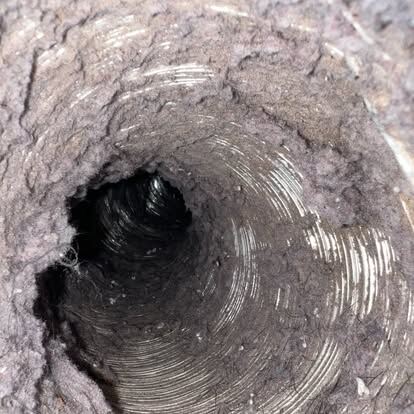 Real AirDuctVet photo
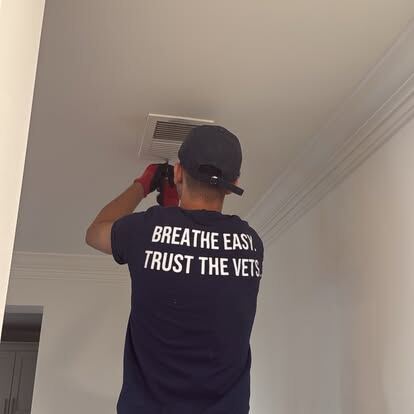 Real AirDuctVet photo
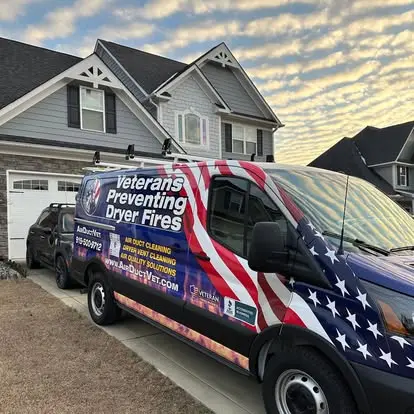 Real AirDuctVet photo
Clear, practical guidance: General education cannot replace an on-site inspection. We separate routine maintenance from conditions that need an HVAC, appliance, chimney, mold, or restoration specialist.
Separate unfinished construction from a system problem
Sanding, cutting, painting preparation, and moving materials can leave dust on surfaces long after the most visible work ends. Ask whether dusty work is still scheduled and what protective measures were used around HVAC openings. Avoid assuming that every dusty room proves contamination throughout the ducts.
If you see debris at an accessible register, photograph it without reaching into the system. Keep the room location and date with the photograph. The builder and service team can then discuss a specific finding instead of a general concern about new-home air.
Use the builder's records to plan the next step
Ask what was inspected or cleaned before handover, which systems were included, and whether the final filter has been fitted. EPA's Indoor AirPlus guidance addresses protecting ductwork from construction debris, but that does not establish what happened on your particular job.
Share the handover records before booking. A follow-up visit should respond to a documented condition or new construction work. If a builder's responsibility or warranty question remains unresolved, raise it directly with the builder and preserve the written response.
Plan cleaning around the actual Raleigh property
A townhouse with multiple levels, an attic air handler, and a new single-story home can have different access needs. Provide the number of HVAC units, equipment locations, occupied rooms, remaining contractor schedule, and any parking or entry restrictions.
AirDuctVet prepares a property-specific quote identifying the systems, accessible pathways, debris conditions, and cleaning method. HEPA negative-air collection supports the agreed scope; extensive vent-by-vent work and additional services need separate approval. Camera documentation is limited to accessible areas.
Keep maintenance and extra services separate
Check the filter regularly and follow the equipment manufacturer's replacement instructions. Have the HVAC contractor confirm suitable filter type and airflow requirements before upgrading. Filter maintenance is separate from the decision to clean ducts.
Coil cleaning is not automatically included in AirDuctVet's duct-cleaning service. It must be requested and approved separately. Mechanical repairs, filter replacement, mold remediation, and restoration require their own scope. Unexplained odors, moisture, weak airflow, or persistent dust may need diagnosis beyond cleaning.
Sources and further reading
Official guidance informs the general information above. AirDuctVet's included services are defined by your written quote; local requirements and manufacturer instructions may differ.