
Does Air Duct Cleaning Require Access Holes?
Air duct cleaning may require temporary access openings in sheet-metal trunks. Learn when they are used, how they should be closed, and what to ask first.
The short answer
Sometimes. A technician may need a temporary service opening in an accessible sheet-metal supply or return trunk so negative-air equipment and cleaning tools can reach the system effectively. Existing panels or other suitable access may make a new opening unnecessary. Any approved opening should be planned before work, made without compromising the duct, and securely closed and sealed after cleaning. Openings should not be cut into flexible ductwork.
Three real AirDuctVet field photos
These authentic AirDuctVet job photos were selected for this topic. We do not use repeated AI artwork or stock photography.
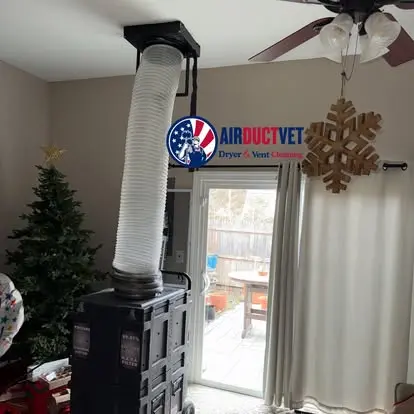 Real AirDuctVet photo
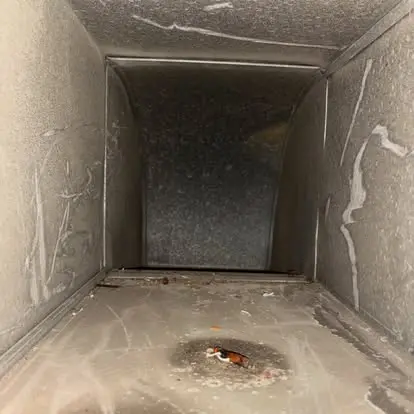 Real AirDuctVet photo
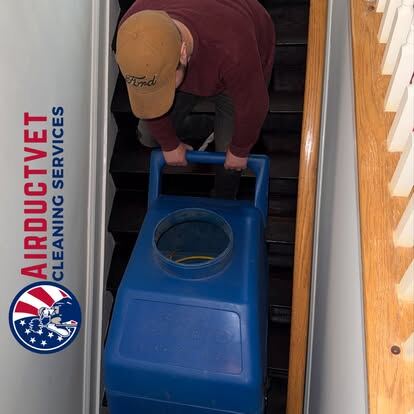 Real AirDuctVet photo
Clear, practical guidance: General education cannot replace an on-site inspection. We separate routine maintenance from conditions that need an HVAC, appliance, chimney, mold, or restoration specialist.
Why might air duct cleaning require an access hole?
Whole-system source-removal cleaning depends on reaching the appropriate supply and return sides of the HVAC system. Registers alone may not provide the connection size or tool access needed for a negative-air setup, especially when the main trunks are concealed or divided into separate branches. A temporary service opening can provide a controlled connection point for collection equipment or inspection tools.
A new opening is not automatically required on every job. An existing access panel, removable end cap, equipment opening, or other suitable entry may provide enough access. The technician should inspect the system first, identify the proposed connection points, and explain them before making a permanent change to sheet metal.
Where can a service opening be made?
The location depends on the duct material, system layout, equipment, airflow path, and safe working access. NADCA's ACR standard addresses service openings in HVAC components and says they should allow proper closure, avoid restricting airflow, and comply with applicable standards and local requirements. It also states that service openings should not be made in flexible ductwork.
That distinction matters. A properly planned opening in accessible sheet metal is different from cutting flexible duct, damaging internal insulation, drilling through concealed utilities, or making an opening where it cannot be closed correctly. If the needed area is inaccessible or the material is unsuitable, the cleaning plan may need to change rather than forcing access.
How should an access opening be closed after cleaning?
The closure should fit the opening, remain secure, avoid sharp exposed edges, and preserve the duct's airflow and functional integrity. Depending on the system and approved method, that may involve a purpose-made access panel, cap, or sheet-metal closure with appropriate fastening and sealing materials. Internally insulated or externally insulated ducts require additional care so the thermal and air barrier is not left damaged.
The U.S. EPA advises homeowners to inspect any access holes made by a service provider and make sure they are adequately sealed. Before the crew leaves, ask to see the finished closure and keep any job photographs with the service record. A loose patch, unsealed gap, crushed section, or opening that interferes with airflow should be corrected before the system returns to normal operation.
What should you ask before approving an opening?
A clear contractor should be able to explain why access is needed, where it will be placed, what duct material is present, how the opening will be closed, and whether the closure is part of the written cleaning scope. Ask these questions before work begins rather than discovering an unexplained patch afterward.
- Can an existing panel or removable component provide suitable access instead?
- Is the proposed opening in accessible sheet metal rather than flexible ductwork?
- How will nearby wiring, plumbing, insulation, equipment, and finished surfaces be protected?
- What type of panel, cap, fastener, and seal will close the opening?
- Will the crew document the access point and finished closure with field photos?
- Does the written quote separate cleaning from any repair, replacement, or alteration?
Can a camera inspection replace proper access?
No. A Cobra inspection camera can help document reachable duct sections and guide the service plan, but it does not create the airflow or tool access needed for source removal. It may not pass every bend, branch, damper, liner transition, or obstruction, and it cannot prove that every concealed joint is intact.
Camera findings should be treated as documentation of the areas actually reached. They do not turn routine duct cleaning into a mechanical inspection, code certification, or complete evaluation of every concealed part of the HVAC system.
What does AirDuctVet include and exclude?
AirDuctVet can inspect accessible duct conditions, identify suitable equipment connection points, use negative-air source-removal equipment within the approved scope, clean accessible registers, and document unusual conditions. When a service opening is necessary and approved, the proposed location and closure method should be explained before the work proceeds.
Routine air-duct cleaning does not automatically include duct replacement, concealed-system repair, drywall or carpentry work, electrical work, HVAC diagnosis, mechanical repair, or correction of improper installation. Coil cleaning must be specifically requested, separately evaluated, and approved. Filter replacement is also not automatically included. Any added work requires a separate written scope, and some conditions require an HVAC contractor or another qualified trade.
AirDuctVet serves qualifying properties in Northern Virginia, Washington, DC, Maryland, Raleigh, Cary, and Miami. Access, duct material, system configuration, property rules, and the written quote determine the service plan for each property.
Frequently asked questions
Will every air duct cleaning job leave a visible patch? No. Existing access may be sufficient, and a properly finished service panel or cap can be neat and serviceable. The actual system determines the approach.
Can a technician cut an opening without asking? A planned opening should be explained and included in the approved scope before a permanent change is made to the ductwork.
Can an access hole be cut in flex duct? NADCA's ACR standard says service openings should not be made in flexible ductwork. Damaged flexible duct may require a different access plan or separate replacement.
Does sealing the opening mean the whole duct system is leak-free? No. Closing the service opening addresses that connection point only. It does not certify every concealed joint or repair unrelated duct leakage.
Does a camera eliminate the need for access? No. A camera documents reachable areas but does not provide the connection or tool access needed for complete source-removal work.
Does routine duct cleaning include the coil or a new filter? No. Coil cleaning must be requested and separately approved, and filter replacement is not automatically included.
Sources and further reading
Official guidance informs the general information above. AirDuctVet's included services are defined by your written quote; local requirements and manufacturer instructions may differ.