
Air Duct Cleaning vs Sealing: Which Do You Need?
Air duct cleaning vs sealing: learn which problem each service addresses, what evidence to request, and why cleaning does not repair leaking ductwork.
The short answer
Air duct cleaning removes qualifying dust and debris; duct sealing addresses air escaping or entering through leaks. Cleaning does not close gaps, reconnect loose ducts, or prove that a system is airtight. Ask for evidence of the specific problem before approving either service. If both contamination and damage are present, the cleaning provider and an appropriate HVAC contractor should agree on the scope and sequence. Neither service is an automatic requirement for every home.
Three real AirDuctVet field photos
These authentic AirDuctVet job photos were selected for this topic. We do not use repeated AI artwork or stock photography.
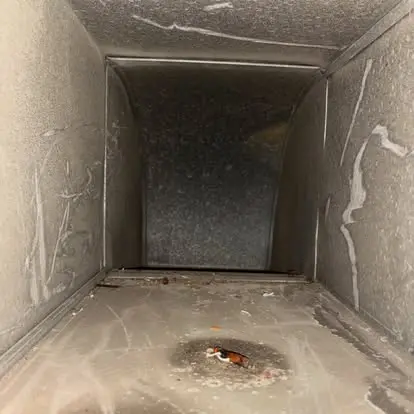 Real AirDuctVet photo
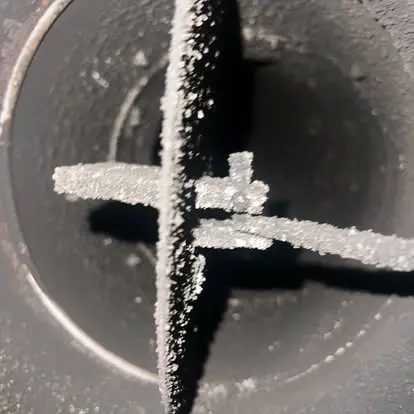 Real AirDuctVet photo
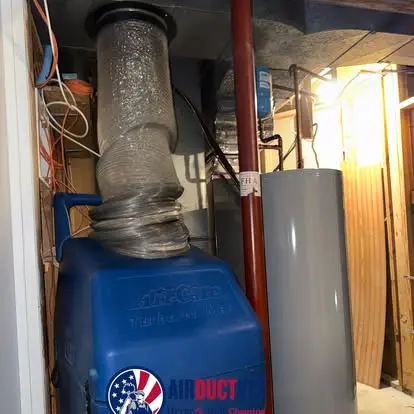 Real AirDuctVet photo
Clear, practical guidance: General education cannot replace an on-site inspection. We separate routine maintenance from conditions that need an HVAC, appliance, chimney, mold, or restoration specialist.
Cleaning removes debris; sealing addresses leaks
The two services answer different questions: what is on the inside surfaces, and where can air pass through the duct enclosure? EPA describes duct cleaning as loosening and collecting contamination. It recommends deciding on cleaning according to conditions rather than a fixed calendar.
Sealing targets openings in the air distribution system. ENERGY STAR identifies holes, leaking connections, and poorly connected ducts as possible sources of air loss. A cleaner-looking duct can still leak, while a sealed duct can still contain debris. One result does not establish the other.
The three field photos above illustrate accessible duct conditions and AirDuctVet cleaning equipment. They are not a leakage test, a sealing project, or a before-and-after comparison from one home.
Ask for separate evidence of contamination and leakage
For a cleaning proposal, ask the provider to identify the affected supply or return section, show accessible conditions, explain the duct material, and state how debris will be collected. A close-up photograph should be tied to its location so you understand what it represents.
For a sealing proposal, ask an HVAC contractor which connections or sections need attention and how leakage and airflow will be evaluated. ENERGY STAR recommends a whole-system review, attention to supply and return balance, and airflow evaluation after repairs. A photograph of a dusty register alone does not document leakage.
A Cobra inspection camera may help document selected reachable surfaces. It does not measure whole-system leakage or confirm that every concealed joint is intact. Request a clear distinction between visible observations and any actual test results.
- Which duct section has the problem, and how was it identified?
- Does the proposal cover cleaning, repair, sealing, or more than one separate scope?
- What access is needed, and what remains concealed?
- What photographs, measurements, or completion checks will I receive?
If both are needed, agree on the sequence before work starts
Do not assume a package must always start with cleaning or always start with sealing. Ask the providers to resolve damaged connections, safe access, the cleaning method, and the requirements of the selected sealing system before scheduling. The correct plan depends on the observed condition.
If a contractor recommends opening a wall, replacing a duct section, or accessing a restricted space, obtain separate authorization and identify who will restore the affected area. In a rental or condominium, confirm who owns the ductwork and who can approve changes.
Ask who will close any service openings, document their locations, and explain what is included in the final check. Closing an opening made for cleaning is different from evaluating and sealing every pre-existing leak throughout a home.
Clarify what a contractor means by “sealant”
EPA distinguishes sealing air leaks from coating the inside of ducts to cover surface material. Ask whether a proposal targets leakage at openings or applies an interior coating, why it is proposed, and what product and method will be used. Do not treat those scopes as interchangeable.
For duct improvement work, ENERGY STAR recommends an appropriate contractor who can address damaged or disconnected sections and assess combustion safety after sealing where fuel-burning appliances are involved. This article is not a do-it-yourself sealing procedure.
AirDuctVet cleaning has a defined scope
AirDuctVet can review accessible duct conditions and propose a cleaning scope suited to the material, access, and observed debris. The written quote should identify what is included. A cleaning appointment does not automatically include leakage testing, whole-system sealing, duct replacement, balancing, or mechanical repair.
Coil cleaning must be requested and separately approved. Routine duct service does not automatically include filter replacement. Tell the team about an existing HVAC repair or sealing proposal so the work can be coordinated without assuming that another provider’s responsibilities are included.
Request service based on the actual condition and your manufacturer’s instructions. AirDuctVet does not promise medical improvement, guaranteed utility-bill savings, or a fixed routine duct-cleaning interval.
Frequently asked questions
Will cleaning fix a disconnected duct? No. Removing debris does not reconnect or repair ductwork. Ask an appropriate HVAC contractor to evaluate the connection and define the repair.
Do dusty vents mean I need sealing? No. Dust alone does not identify a leak. Ask for an assessment that separates contamination from duct condition and system performance.
Should I buy both services together? Only when the findings justify both. Request separate descriptions, responsibilities, and completion checks so you can compare what is actually proposed.
Can a camera certify that ducts are airtight? No. Images show reachable surfaces; they are not a whole-system leakage measurement.
Will either service guarantee lower bills? No. Results depend on the original condition and the wider heating and cooling system. A general energy-efficiency claim is not a measured result for your home.
Sources and further reading
Official guidance informs the general information above. AirDuctVet's included services are defined by your written quote; local requirements and manufacturer instructions may differ.