
Can Air Duct Cleaning Fix Uneven Airflow Between Rooms?
Can air duct cleaning fix uneven airflow? Debris may contribute, but filters, dampers, leaks, equipment, or duct design may need HVAC diagnosis.
The short answer
Sometimes, but not usually by itself. Air duct cleaning can remove excessive accessible debris when that debris is actually restricting a branch. Uneven airflow can also come from a dirty filter, closed damper, duct leak, crushed flex duct, blower problem, dirty coil, or poor system design. Cleaning does not balance, repair, or redesign an HVAC system, so the cause should be identified before anyone promises a fix.
Three real AirDuctVet field photos
These authentic AirDuctVet job photos were selected for this topic. We do not use repeated AI artwork or stock photography.
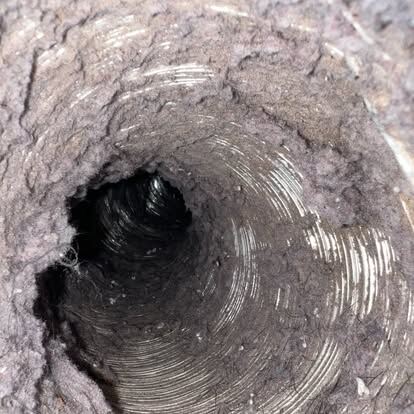 Real AirDuctVet photo
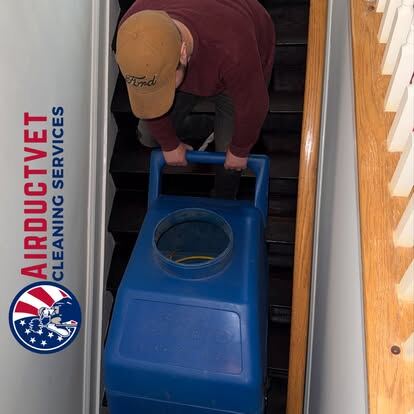 Real AirDuctVet photo
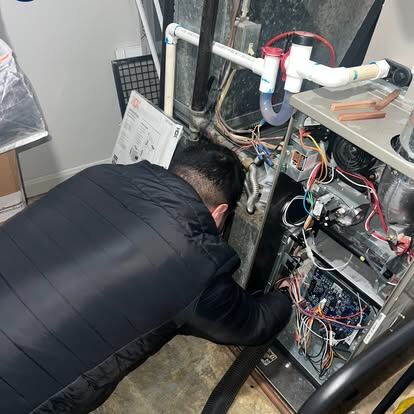 Real AirDuctVet photo
Clear, practical guidance: General education cannot replace an on-site inspection. We separate routine maintenance from conditions that need an HVAC, appliance, chimney, mold, or restoration specialist.
Can air duct cleaning fix uneven airflow?
It can help when a documented buildup or physical debris is reducing the open area of an otherwise sound duct. The EPA lists ducts clogged with excessive dust and debris as one condition in which cleaning may be considered. That is different from assuming every weak register is dirty.
If the duct is open but the room still receives less air, cleaning may make little or no difference. An HVAC contractor may need to measure airflow and static pressure, check blower operation, evaluate dampers, inspect the filter and coil, and review whether the duct system is sized and balanced for the home.
What causes one room to have weak airflow?
Weak airflow is a symptom, not a diagnosis. The cause may be near the register, elsewhere in the duct run, at the central equipment, or in the original design. More than one condition can exist at the same time.
- A supply register, balancing damper, or zone damper is closed or partly closed.
- A filter is dirty, incorrectly installed, too restrictive for the system, or missing its required support.
- Flexible duct is crushed, kinked, disconnected, torn, or poorly supported.
- A metal duct joint leaks or a branch has separated in an attic, crawl space, wall, or ceiling.
- The return path is undersized or blocked when a bedroom door is closed.
- The blower, coil, refrigerant circuit, controls, or zoning equipment needs mechanical service.
- The duct layout or equipment capacity does not match the room load.
- Excessive debris or a foreign object is physically restricting an accessible duct section.
What can you check before scheduling service?
Compare the room under consistent conditions. Confirm that the system is operating in the expected mode, the thermostat is calling, the register is open, and furniture or rugs are not blocking supply or return grilles. Note whether the problem affects one register, one room, one floor, or the entire home.
Check the filter only as directed by the equipment manufacturer. Record its size, installation date, and visible condition, but do not operate equipment without the required filter. Do not reach into moving equipment, remove sealed panels, enter an unsafe attic or crawl space, or adjust unfamiliar dampers.
- Photograph the affected register and any safely visible duct condition.
- Write down when the problem started and whether it changes with doors open or closed.
- Note recent remodeling, duct work, equipment replacement, water events, or pest activity.
- Collect the HVAC model information for the contractor who evaluates the system.
How can an inspection separate debris from an HVAC problem?
A useful assessment starts with the pattern of the complaint and safely accessible conditions. AirDuctVet can document visible contamination, accessible obstructions, register conditions, and parts of a reachable duct path. A Cobra inspection camera may help view selected sections, but it cannot pass every bend or prove the condition of an entire concealed system.
Airflow measurements and mechanical diagnosis are separate from visual duct documentation. A qualified HVAC contractor may need to test total external static pressure, branch airflow, temperature change, blower performance, dampers, controls, and equipment operation. Cleaning should not be sold as a substitute for those tests.
When is duct repair or balancing more likely than cleaning?
Repair or balancing is more likely when airflow changes sharply after renovation, when a branch is visibly disconnected or crushed, when rooms remain uncomfortable with clean and open registers, or when the problem follows equipment or zoning changes. ENERGY STAR identifies leaks, holes, poorly connected ducts, and kinked flexible ducts as common signs of poor duct performance.
A cleaning appointment does not authorize AirDuctVet to seal leaks, replace ductwork, resize branches, commission zones, repair a blower, or modify equipment. Those corrections require a separate evaluation and approved scope from the appropriate trade.
What does AirDuctVet include and exclude?
AirDuctVet's written quote defines the approved air duct cleaning scope, system count, accessible registers, return paths, and equipment access. Real field photos and observations can document what was reachable on the service date, but they are not a guarantee that cleaning will equalize room airflow.
Coil cleaning is not included with routine air duct cleaning unless the customer specifically requests it and AirDuctVet separately evaluates and approves it. Routine duct service also does not automatically include mechanical repair, duct sealing, balancing, filter replacement, refrigerant work, electrical work, or system redesign.
Homes in Northern Virginia, Washington, DC, Maryland, Raleigh, Cary, and Miami can have very different attic, crawl-space, high-rise, and managed-building access. The correct office reviews access and scope before work; location alone does not determine the cause of uneven airflow.
Frequently asked questions
Does weak airflow prove that a duct is clogged? No. A clog is one possibility among filter, damper, leakage, disconnection, equipment, zoning, and design problems.
Should every register feel exactly the same? No. Room loads and branch sizes vary. A qualified HVAC contractor can determine whether measured airflow is appropriate for the design.
Will changing the filter fix one weak room? It may improve system-wide airflow if the filter is the restriction, but one weak branch can have another cause. Use the filter specified for the equipment.
Can AirDuctVet repair a crushed or disconnected duct during cleaning? Not as an automatic part of routine cleaning. Repair requires separate evaluation, approval, and the appropriate qualified trade.
How often should ducts be cleaned for airflow? There is no fixed interval that fits every property. The EPA recommends considering cleaning as needed based on actual conditions rather than treating it as routine HVAC maintenance.
Will cleaning lower my energy bill? Do not assume it will. The EPA says there is little evidence that cleaning only the ducts improves system efficiency, and AirDuctVet does not guarantee bill savings.
Sources and further reading
Official guidance informs the general information above. AirDuctVet's included services are defined by your written quote; local requirements and manufacturer instructions may differ.