
Can Air Duct Cleaning Damage Flexible Ducts?
Air duct cleaning can damage flexible ducts when the liner is already compromised or the tools and method do not match the duct construction.
The short answer
Yes, improper air-duct cleaning can damage flexible ducts. A qualified technician should identify the duct material, inspect accessible sections for tears, crushed areas, moisture, loose connections, or deterioration, and choose a cleaning method that the material can tolerate. If the inner liner is already damaged or cannot be cleaned safely, HVAC repair or replacement may be more appropriate than aggressive brushing.
Three real AirDuctVet field photos
These authentic AirDuctVet job photos were selected for this topic. We do not use repeated AI artwork or stock photography.
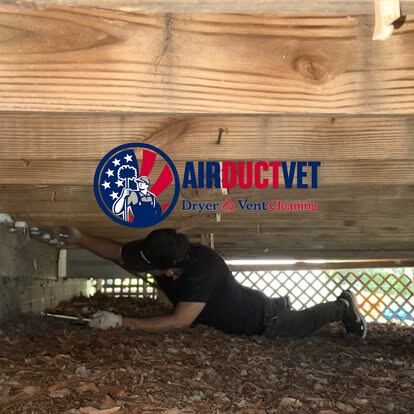 Real AirDuctVet photo
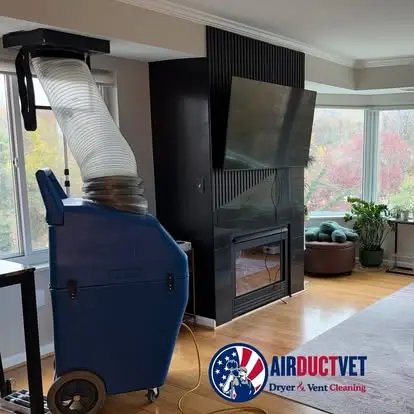 Real AirDuctVet photo
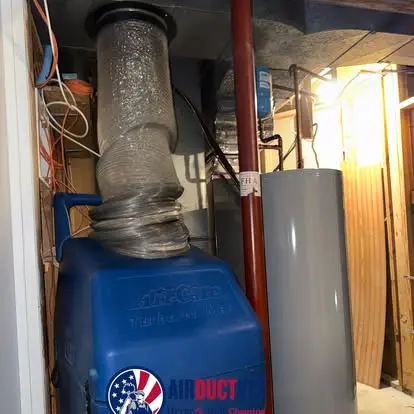 Real AirDuctVet photo
Clear, practical guidance: General education cannot replace an on-site inspection. We separate routine maintenance from conditions that need an HVAC, appliance, chimney, mold, or restoration specialist.
Why are flexible ducts different from sheet-metal ducts?
Flexible HVAC duct typically has a lightweight inner core supported by a wire helix, insulation, and an outer vapor barrier. It is not the same surface as rigid sheet metal. The exact construction, age, condition, pressure rating, and manufacturer's instructions matter before a cleaning tool enters the duct.
A tool that is appropriate for sturdy, accessible metal duct may be too aggressive for a thin, deteriorated, or poorly supported flexible liner. ATCO, a flexible-duct manufacturer, recommends that flexible ducts be cleaned by qualified technicians following NADCA procedures. That is a condition-based recommendation, not permission to use every brush or air tool in every flexible duct.
What damage should be checked before cleaning?
The visible duct and reachable connections should be reviewed before the cleaning method is chosen. Existing defects can include a torn inner liner, separated jacket, exposed insulation, a loose collar connection, crushed or sharply bent duct, unsupported sagging, water staining, or deterioration that makes the material fragile.
Manufacturer installation instructions call for proper support, limited sag, and careful bends because compression and poor support can restrict the duct or damage it. Cleaning cannot correct those installation conditions. If a section is already torn, wet, collapsed, disconnected, or badly deteriorated, continuing with agitation may worsen the problem or move debris beyond the reachable area.
- Ask what duct materials are present, including any flexible branches, internal liner, or duct board.
- Document accessible damage or moisture before tools are introduced.
- Confirm which agitation and collection methods are proposed for each material.
- Stop if the liner begins to tear, separate, collapse, or show a condition outside the approved scope.
- Refer repair, redesign, sealing, or replacement to an appropriately qualified HVAC contractor when needed.
How should a provider reduce the risk of damage?
The provider should match the process to the system rather than promise one tool for every duct. NADCA describes professional HVAC cleaning as source removal using appropriate agitation while the system is under continuous negative pressure so loosened material is collected instead of released into the occupied space. The selected device still has to be suitable for the actual duct material and condition.
Access also matters. Forcing equipment through a tight bend, damper, undersized opening, damaged connection, or inaccessible branch can create risk without proving that the full duct was cleaned. A responsible scope may limit certain sections, use a gentler method, or recommend replacement when a component cannot be cleaned safely and effectively.
EPA advises homeowners to ask providers to protect the ductwork and other HVAC components during cleaning and to use soft-bristled brushes on fiberglass duct board. EPA also notes that wet or moldy insulated duct material generally cannot be effectively cleaned and should be removed and replaced by a qualified contractor.
Can a Cobra camera prove flexible ducts are safe to clean?
A Cobra inspection camera can help document selected reachable sections, including a visible tear, debris, moisture, a sharp bend, or a loose connection. It cannot pass every bend, damper, branch, or collapsed area, and it cannot show the outside of every concealed duct section.
Camera footage is evidence from the areas actually reached. It does not certify the entire system, identify every material, test the strength of an aging liner, or prove that a hidden section will tolerate a particular cleaning tool. The technician still needs to use material-appropriate methods and stop if conditions change.
When is replacement more appropriate than cleaning?
Replacement may be the better path when flexible duct is torn, crushed, disconnected, wet, heavily deteriorated, contaminated within porous material, inaccessible for safe cleaning, or installed in a way that substantially restricts airflow. An HVAC contractor should determine the repair or replacement design and follow the product instructions and locally adopted requirements.
Cleaning can remove qualifying accessible dust and debris; it cannot restore a torn inner core, rebuild insulation, repair the vapor barrier, correct support spacing, straighten a concealed kink, resize a branch, or reconnect failed ductwork unless those items are separately evaluated and included in an approved mechanical scope.
What is included and excluded from AirDuctVet service?
For an approved air-duct cleaning scope, AirDuctVet can inspect accessible system areas, identify visible duct materials and conditions, use suitable source-removal methods, and document observable limitations. The written scope should identify sections that cannot be safely reached or cleaned and any condition that needs another trade.
Routine duct service does not automatically include mechanical repair, flexible-duct replacement, duct redesign, sealing, filter replacement, or opening finished walls and ceilings. Coil cleaning must be specifically requested, separately evaluated, and approved. Any added work requires a separate written scope, and damaged ductwork may need a qualified HVAC contractor.
AirDuctVet reviews qualifying flexible-duct systems in Northern Virginia, Washington, DC, Maryland, Raleigh, Cary, and Miami. Material, access, system layout, and condition determine the method; the city name does not change the inspection standard or service limits.
Frequently asked questions
Can every flexible duct be cleaned? No. Some intact, accessible flexible ducts can be cleaned with an appropriate method, while damaged, wet, deteriorated, or inaccessible sections may need repair or replacement.
Do rotating brushes always damage flex duct? No, but tool size, stiffness, speed, duct construction, bends, support, and existing condition all matter. The provider should choose a material-appropriate method rather than make a blanket promise.
Can cleaning fix a crushed or sagging flexible duct? No. Cleaning may remove qualifying debris, but support, routing, connection, and replacement issues require a separate HVAC scope.
Does a clean camera view prove the whole duct is sound? No. A camera documents only the sections it can reach and see. It cannot test hidden connections or the strength of the liner.
Is filter replacement included with routine duct cleaning? No. Routine duct service does not automatically include filter replacement or mechanical repair. Coil cleaning also requires separate request, evaluation, and approval.
Sources and further reading
Official guidance informs the general information above. AirDuctVet's included services are defined by your written quote; local requirements and manufacturer instructions may differ.