
Can a Chimney Sweep Remove Glazed Creosote?
Glazed creosote can resist an ordinary chimney sweep. Learn what a sweep can remove, when specialized work may be needed, and when the fireplace should stay off.
The short answer
A routine chimney sweep can remove qualifying loose soot and flaky creosote from accessible surfaces, but hard, shiny or tar-like glazed creosote may resist ordinary brushing. Do not light a hotter fire or use a chemical log to test whether the deposit will burn away. A qualified professional should evaluate the deposit, the chimney material, the appliance and any sign of a prior chimney fire before deciding whether additional mechanical work, a separately approved treatment, liner repair or another specialist is needed. A standard sweep cannot promise complete glazed creosote removal or certify an unsafe chimney for use.
Three real AirDuctVet field photos
These authentic AirDuctVet job photos were selected for this topic. We do not use repeated AI artwork or stock photography.
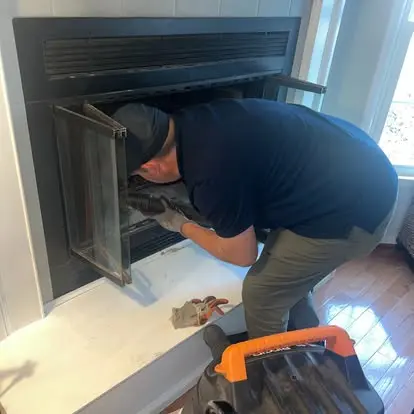 Real AirDuctVet photo
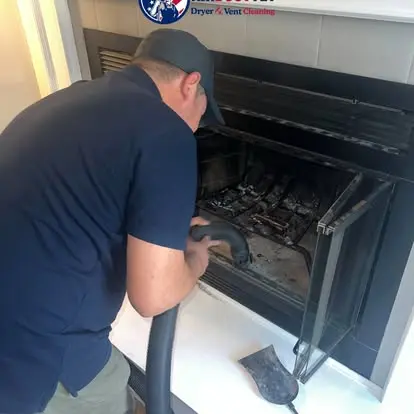 Real AirDuctVet photo
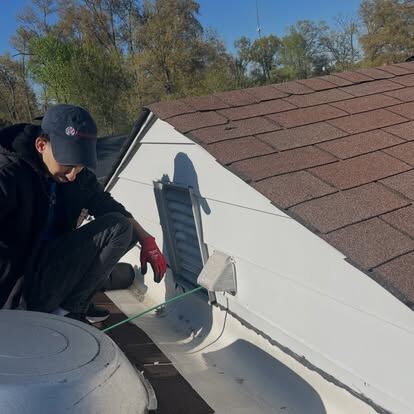 Real AirDuctVet photo
Clear, practical guidance: General education cannot replace an on-site inspection. We separate routine maintenance from conditions that need an HVAC, appliance, chimney, mold, or restoration specialist.
What is glazed creosote?
Creosote forms when smoke and incompletely burned wood gases cool and condense on chimney surfaces. EPA describes it as a combustible black or brown residue. It can appear as loose soot, brittle flakes, a sticky tar-like coating or a hard glossy layer. The appearance alone does not establish the depth of the deposit, the condition of the liner or whether a chimney fire has already occurred.
The phrase glazed creosote usually refers to a dense, shiny deposit that has hardened against the flue surface. Because the chimney material, appliance, fuel, draft and firing history all matter, a photograph from the fireplace opening is not enough to select a safe removal method.
Can an ordinary chimney sweep remove it?
Sometimes only part of it. Correctly sized brushes and collection equipment can remove qualifying loose or flaky deposits from accessible sections. A hard glazed layer may not release during a normal sweep, and forcing an unsuitable brush or tool can damage clay tile, metal chimney components or another listed system.
Manufacturer instructions are material-specific. DuraVent directs owners to use brushes that will not scratch the stainless-steel interior, while RSF specifies the brush size and fireplace preparation for its listed system. The technician should identify the accessible system and follow its instructions instead of assuming that one aggressive method fits every flue.
Why can glazed deposits form?
EPA identifies restricted air supply, unseasoned wood, cooler chimney conditions and long smoldering burns as conditions that can increase creosote formation. Wet wood consumes heat to evaporate moisture and can produce more smoke. A flue that stays relatively cool allows more vapors to condense before they leave the chimney.
A cleaning visit should not be treated as the complete correction when the cause may be appliance operation, fuel moisture, draft, chimney sizing, installation, damage or another system problem. The appropriate qualified fireplace, chimney or appliance professional may need to evaluate those conditions before the system is used again.
- Tell the technician the fireplace or stove type and the fuel being burned.
- Share the last known sweep, inspection and any chimney-fire history.
- Describe slow, smoky or smoldering fires and whether smoke has entered the room.
- Photograph accessible glossy, flaky or tar-like material without disturbing it.
- Provide the appliance manual and chimney-system brand when available.
Should you use a chemical log or burn a hotter fire?
Do not try to burn a suspected glazed deposit away. Creosote is combustible, and intentionally heating an unknown deposit can create a chimney fire. If there is roaring in the flue, sparks or flames from the chimney, dense smoke or evidence of fire spreading, leave the building and call emergency services.
DuraVent states that chemical chimney cleaners do not eliminate the need for periodic inspection and cleaning. A product may be marketed to condition certain deposits, but that does not establish that the chimney is clean, undamaged or ready to use. Any treatment must be compatible with the listed appliance and chimney and must follow the current product and manufacturer instructions.
When should the fireplace stay off?
Keep the fireplace or stove off when there may have been a chimney fire, when the flue condition is unknown, when dense glossy material remains after sweeping, or when there are cracks, displaced tile, damaged metal, a blockage, smoke entering the home or another unresolved safety concern. DuraVent instructs owners not to use the appliance again after a chimney fire until the system has been inspected for possible damage.
A carbon-monoxide alarm, visible fire, smoke spreading into occupied space or a suspected structural fire is not a routine cleaning appointment. Move to safety and follow emergency, fire-department and fuel-appliance guidance. A sweep performed later cannot retroactively determine that continued use was safe.
Can a camera confirm that the chimney is safe?
A camera may document selected visible sections of an accessible flue and can help show deposits, gaps, cracks or other observable conditions. It cannot see through every deposit, liner joint, offset, appliance component or concealed chase, and an image cannot determine the remaining strength of a damaged material.
A camera assessment included with routine work is not automatically a complete NFPA Level 2 chimney inspection. A property sale, appliance change, chimney fire, suspected damage or another defined trigger may call for a separately scoped inspection by an appropriately qualified professional. The written report should state what was and was not inspected.
What does AirDuctVet include and exclude?
For an approved chimney-sweep scope, AirDuctVet can protect the accessible work area, clean qualifying accessible soot and removable deposits using appropriate tools, collect dislodged material and review observable conditions within the written scope. If a hard glazed layer remains or the system condition is uncertain, the team should explain the limitation rather than promise that routine sweeping solved it.
Routine chimney sweeping does not automatically include complete glazed-creosote removal, destructive access, liner or masonry repair, cap or flashing work, damper repair, draft engineering, smoke testing, gas-appliance service, code certification or a Level 2 or Level 3 inspection. Specialized removal or another qualified chimney, masonry, fireplace or appliance professional may be required and separately approved.
Air-duct cleaning is a separate service. Coil cleaning must be specifically requested, evaluated and separately approved; routine duct service does not automatically include HVAC mechanical repair or filter replacement. No chimney or duct cleaning service can promise medical improvement, guaranteed utility savings or one fixed routine interval for every property.
Quick answers about glazed creosote removal
Is all black material glazed creosote? No. Soot, flaky creosote, tar-like material and a hard glossy deposit can look different, and the flue may contain more than one condition. The accessible system should be inspected before a method is selected.
Can one sweep guarantee complete removal? No. Results depend on deposit type, thickness, flue material, access, system condition and the approved method. A hard layer may remain after routine brushing.
Can I keep using the fireplace while deciding? Not when a significant deposit, prior chimney fire, damage, blockage or smoke problem remains unresolved. Keep it off until the appropriate professional confirms the next step.
Will a chemical cleaner replace sweeping? No. Manufacturer guidance says chemical cleaners do not eliminate the need for inspection and mechanical cleaning.
Does a camera equal a Level 2 inspection? No. A routine camera view is limited to selected reachable areas and does not automatically satisfy a complete Level 2 inspection scope.
What should I send with a quote request? Share the property ZIP code, fireplace or stove type, fuel, chimney-system brand if known, last service, use history, any chimney-fire event, visible deposit photos and access concerns.
Sources and further reading
Official guidance informs the general information above. AirDuctVet's included services are defined by your written quote; local requirements and manufacturer instructions may differ.