
Why Is My Dryer Vent Whistling or Rattling?
A dryer vent whistling or rattling can point to a loose connection, vibrating duct, moving exterior damper, airflow restriction, or appliance trouble.
The short answer
A dryer vent can whistle when air is forced through a narrowed opening, and it can rattle when a loose duct, transition connector, or exterior damper vibrates. The sound does not prove that lint is the cause. Check where the noise starts, whether airflow is weak, and whether drying time or heat has changed. Vent cleaning may remove qualifying accessible buildup, but appliance repair, duct reconstruction, and termination repair require a separate scope.
Three real AirDuctVet field photos
These authentic AirDuctVet job photos were selected for this topic. We do not use repeated AI artwork or stock photography.
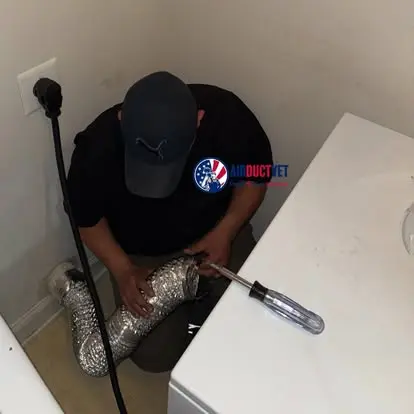 Real AirDuctVet photo
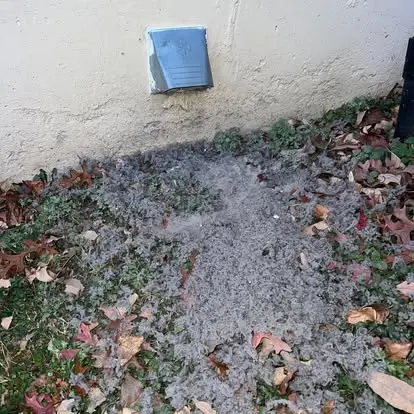 Real AirDuctVet photo
 Real AirDuctVet photo
Clear, practical guidance: General education cannot replace an on-site inspection. We separate routine maintenance from conditions that need an HVAC, appliance, chimney, mold, or restoration specialist.
Can a dryer vent make a whistling or rattling sound?
Yes. Moving exhaust air can create a whistle at a crushed transition connector, narrowed joint, partially blocked hood, stuck damper, or other restriction. A metal duct or exterior cover can rattle when it is loose, misaligned, touching another surface, or responding to the dryer's airflow and vibration.
The sound may also come from inside the dryer rather than the house vent. Samsung advises checking exhaust-vent alignment when a dryer rattles, while squealing, grinding, or other continuing appliance noises can require service. A noise diagnosis should separate the appliance, transition connection, concealed route, and exterior termination before choosing a repair or cleaning.
What can cause a dryer vent to make noise?
Common vent-side causes include a kinked or crushed transition connector, lint or nest material narrowing the route, a loose metal joint, ductwork contacting a wall or cabinet, excessive bends, a long route, or an exterior backdraft damper that is dirty, damaged, or moving unevenly. Wind can also move a loose exterior flap when the dryer is off.
Whirlpool's vent guidance recommends checking for crushed or kinked connections, lint and debris, the exterior hood, route length, and the number of elbows. Those checks help identify airflow resistance, but they do not establish the source of every sound. A blower wheel, drum support, motor, bearing, or object inside the appliance is outside a routine house-vent cleaning scope.
- A whistle that changes when the exterior flap moves may come from the termination or a narrowed opening.
- A metallic rattle behind the dryer may involve a loose or misaligned transition connection.
- A flap that chatters in wind while the dryer is off may be an exterior-cover issue rather than a lint blockage.
- Weak airflow, long drying times, excess heat, or a check-vent warning make a restriction more important to investigate.
- Grinding, squealing, thumping, or noise that continues with the vent disconnected by a qualified person can point toward the appliance.
What can I check safely before scheduling service?
Clean and correctly seat the lint screen as the dryer manufacturer directs. Without moving a gas appliance or straining connections, look for an obviously crushed, loose, or vibrating transition connector. During a normal cycle, observe from a safe location whether the exterior damper opens freely and whether airflow appears steady.
Do not reach into a running dryer, disconnect gas or electrical components, climb onto a roof, or add a screen or improvised weight to silence the outlet. The model IRC requires a backdraft damper and prohibits screens at dryer exhaust terminations because screens can collect lint. Local code and the dryer instructions control at the property.
Stop using the dryer and seek appropriate urgent help if there is smoke, sparking, a persistent burning odor, or visible overheating. The U.S. Fire Administration advises keeping the lint filter and venting clear and confirming that the outdoor covering opens during operation.
Will dryer vent cleaning stop the noise?
Cleaning may stop a whistle or vibration when qualifying accessible lint or debris is restricting airflow or interfering with the exterior damper. It may not change a sound caused by loose hardware, damaged ductwork, an improper termination, wind, building vibration, or a failing dryer component.
A Cobra inspection camera may help document selected reachable sections, such as visible lint, a loose joint, water, or damage. It cannot pass every bend, see through duct walls, measure all concealed supports, or certify the full installation. Camera findings apply only to the areas actually reached.
If airflow remains weak or the sound continues after the accessible vent path is confirmed clear, the next step may be appliance service, duct repair, termination replacement, or a more detailed installation review. Repeating cleaning without identifying the source can delay the correct fix.
What is included and excluded from AirDuctVet service?
For an approved dryer-vent cleaning scope, AirDuctVet can review accessible connections and the visible termination, remove qualifying accessible lint, document observable conditions, and check airflow within the approved work. Dryer disassembly or repair, gas or electrical work, concealed duct reconstruction, wall or roof openings, outlet replacement, waterproofing, and code certification are not automatically included and may require another qualified trade.
Air-duct cleaning is a separate service. Coil cleaning must be specifically requested, separately evaluated, and approved. Routine duct service does not automatically include mechanical repair or filter replacement. Every added item must appear in the written scope before work begins.
AirDuctVet reviews qualifying dryer-vent requests in Northern Virginia, Washington, DC, Maryland, Raleigh, Cary, and Miami. The dryer model, sound location, airflow symptoms, route, property rules, and safe access determine the service plan.
Frequently asked questions
Does a whistling dryer vent always mean it is clogged? No. A restriction is one possibility, but a narrowed connector, exterior damper, loose joint, route design, or appliance condition can also create noise.
Why does the exterior dryer vent flap rattle when it is windy? Wind can move a loose, lightweight, damaged, or poorly seated damper. Cleaning may remove debris that interferes with movement, but a damaged cover may need separate replacement.
Can I tape the dryer duct to stop rattling? Do not use ordinary cloth duct tape or make a concealed repair without confirming the permitted material and joint method. A loose or damaged connection should be evaluated and corrected under an approved scope.
Can a bird nest make the dryer vent noisy? Nest material can restrict airflow or interfere with a damper, but active nests and wildlife may be legally protected. Do not disturb birds or eggs; the situation must be evaluated before any removal.
Should I call a vent cleaner or an appliance technician? Start with the evidence. Weak exterior airflow, a check-vent warning, visible lint, or noise along the house route supports a vent assessment. Grinding, squealing, drum noise, or a sound centered inside the dryer points toward appliance service.
Sources and further reading
Official guidance informs the general information above. AirDuctVet's included services are defined by your written quote; local requirements and manufacturer instructions may differ.