
Should You Turn Off the HVAC If You Suspect Mold?
Suspected HVAC mold needs a careful response, not a guess. Learn when to pause the system, what to document, and why moisture correction comes before cleaning.
The short answer
If visible suspect growth or a known moisture problem may involve the HVAC system, turn the system off when it is safe and practical to do so, then arrange a qualified evaluation before restarting it. EPA guidance warns that operating a contaminated system may spread material through the building. A musty odor, dark spot, or camera image alone does not confirm mold, however. Document the condition, find the moisture source, identify the affected material, and separate routine duct cleaning from remediation, repair, or replacement.
Three real AirDuctVet field photos
These authentic AirDuctVet job photos were selected for this topic. We do not use repeated AI artwork or stock photography.
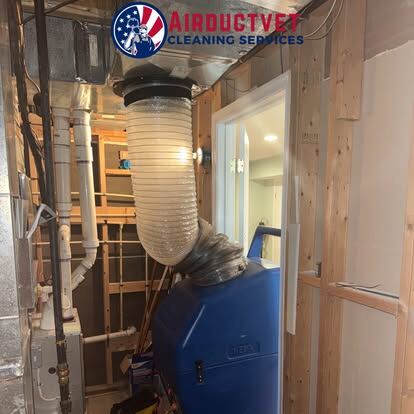 Real AirDuctVet photo
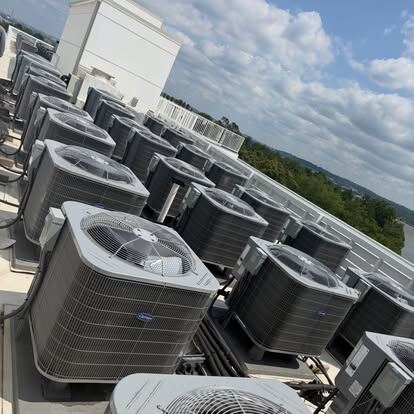 Real AirDuctVet photo
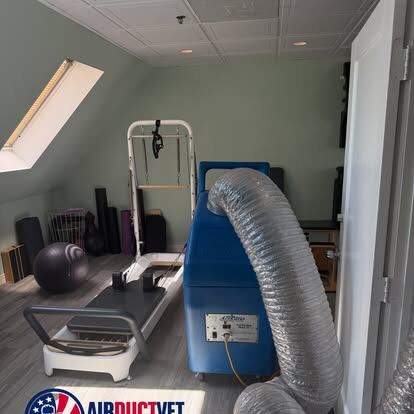 Real AirDuctVet photo
Clear, practical guidance: General education cannot replace an on-site inspection. We separate routine maintenance from conditions that need an HVAC, appliance, chimney, mold, or restoration specialist.
When should you pause the HVAC system?
Pause the system when visible suspect growth is inside an accessible air handler or duct, near a return-air intake, or connected to a documented water event that may have affected HVAC components. EPA advises against running an HVAC system that is known or suspected to be contaminated with mold because operation could distribute material through the building.
Safety and building conditions still matter. If shutting the system off would create a dangerous temperature, humidity, medical-equipment, or freeze-risk condition, contact an HVAC professional, property manager, or appropriate emergency resource promptly for a safe plan. Do not open equipment panels near energized parts, disturb suspect material, or keep cycling the blower to see whether an odor changes.
- Active water, standing condensate, or a drain overflow is reaching HVAC components.
- Visible suspect growth appears near a return intake, inside accessible hard ductwork, or on air-handler surfaces.
- Wet or damaged duct liner, duct board, insulation, or other porous HVAC material is present.
- A remediation professional has instructed occupants not to operate the system during assessment or containment.
Does a musty smell prove mold is in the ducts?
No. A musty odor is a reason to investigate moisture, but it does not identify the material or prove the source is inside the ducts. A condensate pan, drain line, cooling-coil area, return cavity, filter cabinet, wet insulation, wall cavity, crawlspace, or another building source can move odor through the same airflow path.
Color is not proof either. Ordinary dust, soot, deteriorated insulation, adhesive, staining, and microbial growth can look similar in a photograph. EPA notes that a positive determination may require an expert and, when identification would change the plan, laboratory analysis. AirDuctVet may document selected reachable conditions with field photos or the Cobra inspection camera, but an image is not a species identification, whole-system clearance, or medical conclusion.
What should you document before cleaning or remediation?
Record where the odor, moisture, staining, or suspect material appears and when it started. Note recent leaks, drain backups, roof or plumbing work, flooding, humidifier use, long shutdowns, filter changes, and whether the symptom occurs only during cooling, heating, or fan operation. Photograph only safely accessible areas without removing panels or disturbing material.
A useful assessment identifies the HVAC component and its material, distinguishes hard sheet metal from porous liner or insulation, looks for the moisture source, and defines how far the condition extends. A clear written scope should state which surfaces are being cleaned, which materials require another trade, and how completion will be evaluated.
Why must the moisture source be corrected first?
Cleaning visible material without correcting the moisture source leaves the condition likely to return. EPA describes moisture control as the most effective way to prevent biological growth in ducts. Possible sources include a leaking drain pan, clogged condensate line, plumbing or roof leak, air leakage around an uninsulated duct, inadequate insulation, high indoor humidity, or an HVAC operating problem.
Finding the source does not mean a duct cleaner should repair it. Drain, refrigeration, insulation, duct-sealing, roofing, plumbing, or building-envelope work may require an HVAC contractor or another qualified trade. The repair and the cleaning or remediation plan should be coordinated so newly cleaned surfaces are not exposed to the same unresolved water condition.
Can moldy duct material be cleaned, or must it be replaced?
The answer depends on the material and extent. Substantial visible growth on accessible hard sheet-metal surfaces may support a defined cleaning and restoration plan after the moisture source is corrected. Wet or visibly moldy fiberglass liner, duct board, or other porous insulation is different. EPA states that affected insulated duct material cannot be effectively cleaned and should be removed and replaced by a qualified professional.
Do not assume that fogging, fragrance, paint, or a coating makes damaged porous material clean. NADCA's ACR standard places physical source removal and cleanliness verification before optional surface treatment. Any treatment must have a documented purpose, compatible surface, current product label for the intended HVAC use, and separate approval. It cannot replace moisture correction or removal of unsalvageable material.
What is included in an AirDuctVet air-duct cleaning scope?
For an approved air-duct cleaning scope, AirDuctVet can use commercial HEPA negative-air collection with suitable agitation on qualifying accessible duct surfaces, clean accessible registers included in the quote, and document selected conditions with real field photos or the Cobra camera. The method depends on the duct material, access, condition, and written scope.
Routine air-duct cleaning is not automatically mold remediation, environmental testing, HVAC diagnosis, or repair. Coil cleaning must be requested, evaluated, and separately approved. Routine service does not automatically include drain service, blower or air-handler disassembly, duct or insulation replacement, sealing, restoration, filter replacement, building repair, or post-remediation clearance. The blue Air-Care TurboJet Max II HEPA equipment is used only for approved air-duct work; its presence does not expand the quoted scope.
AirDuctVet does not promise medical improvement, guaranteed energy-bill savings, sterilization, or one fixed cleaning interval for every property. If the condition exceeds routine cleaning, the team should explain the limitation and the appropriate next step before additional work is approved.
When is it reasonable to restart the HVAC system?
Restart should follow the plan created for the actual condition. At minimum, the water or humidity source should be corrected, unsalvageable porous material should be removed or scheduled for proper replacement, approved cleanable surfaces should be addressed, and the system should be safe to operate. A larger or complex condition may require containment, professional remediation, HVAC repair, and a defined verification step before normal operation resumes.
A clean camera view in one reachable duct section cannot clear every hidden branch, equipment surface, wall cavity, or insulation layer. Ask the responsible professional what was inspected, what was excluded, what work was completed, and what evidence supports restart. If odor, moisture, or visible material returns, stop treating repeated cleaning as the complete answer and investigate the unresolved source.
Frequently asked questions
Should I turn on the fan to dry suspected mold in the ducts?
No. Do not use the blower as a drying test when the HVAC system may be contaminated. Identify and correct the moisture source, then follow the assessment and remediation plan for the affected materials.
Can a duct camera tell me when the system is safe to run?
A camera can document selected reachable surfaces, but it cannot inspect every concealed area, identify mold from appearance alone, measure humidity everywhere, or provide whole-system clearance. Restart should follow the plan for the documented condition.
Does air-duct cleaning include mold remediation?
Not automatically. Routine cleaning, mold remediation, environmental assessment, material replacement, HVAC repair, and clearance are different scopes. The written quote should identify exactly what is included and which conditions require another qualified professional.
Will mold come back after duct cleaning?
It can recur if moisture, wet porous material, or another source remains. Correcting water and humidity problems is essential; cleaning alone does not repair the condition that allowed growth.
Sources and further reading
Official guidance informs the general information above. AirDuctVet's included services are defined by your written quote; local requirements and manufacturer instructions may differ.