
Does a Gas Fireplace Need a Chimney Sweep?
A gas fireplace needs maintenance for its exact appliance and vent type, but not every gas unit needs the same sweeping performed on a wood-burning chimney.
The short answer
A gas fireplace does not automatically need the same soot and creosote sweeping as a wood-burning fireplace. It does need inspection and maintenance matched to its exact design. Vented gas logs installed in a masonry fireplace may use the existing chimney and flue, while direct-vent fireplaces and inserts use a dedicated sealed vent. Identify the appliance, model, fuel, and vent route before booking a sweep. Gas burners, valves, pilots, leak testing, combustion testing, and mechanical repairs require a qualified gas-appliance professional and are not included in a standard AirDuctVet chimney sweep.
Three real AirDuctVet field photos
These authentic AirDuctVet job photos were selected for this topic. We do not use repeated AI artwork or stock photography.
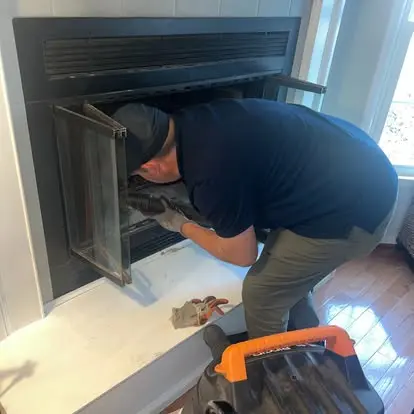 Real AirDuctVet photo
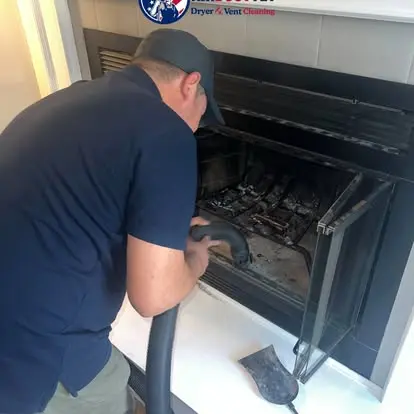 Real AirDuctVet photo
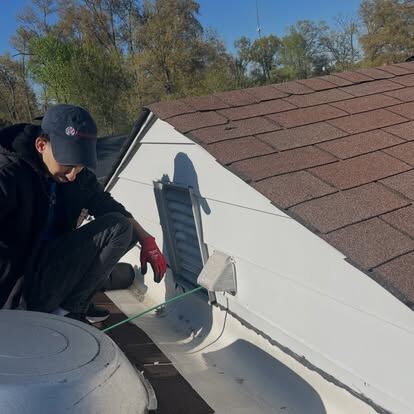 Real AirDuctVet photo
Clear, practical guidance: General education cannot replace an on-site inspection. We separate routine maintenance from conditions that need an HVAC, appliance, chimney, mold, or restoration specialist.
What type of gas fireplace do you have?
Start with the rating plate, owner's manual, model number, and visible vent route. A masonry fireplace may contain vented gas logs that release combustion products through the original throat, smoke chamber, and chimney. A direct-vent fireplace or insert has a sealed firebox and a dedicated vent that terminates through a wall or roof. A B-vent unit uses a listed vertical vent, while an unvented appliance is designed without a chimney where that appliance and installation are permitted.
Appearance alone can be misleading. Decorative logs do not show what is behind the firebox or how the unit vents. Do not assume that a metal cap belongs to a masonry chimney, that a former wood fireplace still has a wood-burning configuration, or that an open-looking hearth can safely burn wood after a gas conversion. The appliance manual and installation record control the service plan.
- Find the manufacturer, model, serial number, and fuel type on the rating plate.
- Photograph the complete fireplace, controls, accessible rating plate, and exterior termination from a safe location.
- Confirm whether the unit is a gas-log set, insert, built-in fireplace, stove, or unvented appliance.
- Report any past wood use, conversion work, chimney fire, water entry, animal activity, or vent repair.
Do gas fireplaces produce creosote?
Natural gas and propane do not create wood-tar creosote in normal operation. That is why a gas-only system does not automatically need the same creosote-removal service as a wood-burning flue. An existing masonry chimney can still contain old wood deposits, animal or nesting material, fallen masonry, corrosion, moisture damage, or debris from before or after a gas conversion.
Black soot on the glass, logs, firebox, vent, or nearby surfaces is not normal maintenance dirt to ignore. It may indicate burner contamination, incorrect log placement, restricted combustion air, venting trouble, or another appliance condition. Do not brush the burner, move listed logs, adjust the pilot, or alter the vent based on a general article. Turn the unit off and arrange qualified gas-appliance service when soot or abnormal operation appears.
When can a chimney sweep still be relevant?
A chimney professional may be relevant when vented gas logs use an existing masonry chimney, when the flue or cap may be obstructed, when an old wood-burning history is unknown, or when visible chimney components need condition review. The appropriate work may be inspection, limited debris removal, or a separately defined cleaning scope rather than an automatic full sweep.
A direct-vent unit is different. Its dedicated vent and termination need the inspection and maintenance described by the manufacturer, usually by a qualified gas-fireplace or HVAC technician. Heat & Glo directs owners to the manual for the exact model, and Valor manuals call for professional inspection of the appliance and venting system. A chimney-sweep appointment should not be represented as a substitute for that appliance service.
What warning signs require prompt attention?
Stop using the fireplace and obtain appropriate help if a carbon-monoxide alarm sounds, exhaust or unusual odor enters the room, soot appears, the flame changes unexpectedly, the glass or firebox is damaged, the pilot will not stay lit, the vent or cap is blocked, or the appliance has been exposed to water. Follow the alarm manufacturer's instructions and emergency guidance; do not re-enter or restart equipment merely because a fireplace is turned off.
The U.S. Consumer Product Safety Commission advises professional inspection of heating systems, chimneys, and flues for blockage, corrosion, disconnection, and loose connections. It also states that a carbon-monoxide alarm adds protection but does not replace correct installation, operation, and maintenance. Never use a flame, smoke source, or improvised tool to test a gas vent yourself.
What does a standard AirDuctVet chimney sweep include?
AirDuctVet's standard chimney-sweep service is for a qualifying wood-burning fireplace system within the approved written scope. It can remove qualifying accessible loose soot and deposits, clean the fireplace area included in the quote, review visible accessible components, and report conditions that may need a specialist. Access, system type, deposits, damage, animals, glaze, and prior fire history can change or stop the work.
A standard sweep does not include gas-line work, burner or pilot service, valve testing, leak testing, combustion analysis, appliance disassembly, vent sizing, code certification, masonry or liner repair, cap fabrication, structural correction, or manufacturer warranty service. If the fireplace is gas-only, AirDuctVet should first confirm whether any requested chimney work fits its service scope and direct appliance concerns to a qualified gas technician.
This article does not expand an estimate or authorize work. Coil cleaning remains a separately requested and separately approved air-duct service. Routine air-duct service does not automatically include HVAC mechanical repair or filter replacement; those air-duct exclusions remain separate from chimney and gas-fireplace work.
Is a camera view a complete chimney inspection?
No. A camera can document selected reachable areas, but every camera look is not a complete Level 2 chimney inspection. The inspection level depends on the reason for the visit, system type, access, change in appliance or fuel, transfer of property, suspected damage, and applicable professional standards. A gas conversion can also involve appliance and venting questions outside a chimney camera's scope.
Ask the provider to state whether the appointment is a sweep, visual condition review, scoped camera assessment, gas-appliance service, or formal inspection. The written deliverable should identify what was accessible, what was not inspected, and which observed conditions require another qualified professional.
How often should a gas fireplace be inspected or serviced?
Follow the owner's manual for the exact model, local requirements, and the advice of the qualified professional responsible for that appliance. CPSC recommends professional annual inspection and service of heating systems, including checking chimneys and flues. Manufacturer instructions may specify inspections and cleaning tasks for the burner, controls, air passages, glass, vent, and termination.
An inspection recommendation does not mean every gas fireplace needs annual creosote sweeping. The service must match the system. New ownership, an unknown service history, a fuel or appliance change, water exposure, renovation near a vent, a long shutdown, or any warning sign can justify evaluation sooner than a routine schedule.
What should you send when requesting an estimate?
Send your ZIP code, fireplace type, manufacturer and model if known, fuel, use history, and the concern you want addressed. Include safe photos of the fireplace, rating plate, controls, and exterior termination. State whether the home has a masonry chimney, whether the system once burned wood, and whether a gas dealer or technician has already identified a venting issue.
AirDuctVet can then determine whether the request fits an available chimney-cleaning scope, needs a different inspection, or should go directly to a qualified gas-appliance professional. This avoids selling a standard sweep when the actual need is burner service, vent repair, combustion testing, or manufacturer-specific maintenance.
Frequently asked questions
Does a gas fireplace chimney get creosote?
Gas does not create wood-tar creosote in normal operation. A masonry chimney may still contain old wood deposits or other debris, and soot from a gas appliance can signal a problem that needs qualified appliance service.
Can AirDuctVet service the gas burner or pilot?
No. A standard AirDuctVet chimney sweep does not include burner, pilot, valve, gas-line, leak, or combustion service. Those tasks require a qualified gas-appliance professional.
Does a direct-vent gas fireplace use the home's chimney?
Usually it uses its own listed sealed vent system and exterior termination rather than an open masonry flue. Confirm the exact model and installation manual before selecting service.
Is a chimney camera check a Level 2 inspection?
Not automatically. A camera can support a defined assessment, but a complete Level 2 inspection has a broader scope and access requirements. The provider should identify the inspection level and exclusions in writing.
Sources and further reading
Official guidance informs the general information above. AirDuctVet's included services are defined by your written quote; local requirements and manufacturer instructions may differ.