
Why Is Insulation Coming Out of My Air Vents?
Insulation-like material at an air vent can indicate damaged duct liner, a loose flex duct, a return leak, or debris from nearby work. Identify the source before cleaning.
The short answer
If insulation-like material is coming out of an air vent, turn the HVAC system off when particles are actively blowing into the room and do not keep disturbing or vacuuming unknown fibers. The material may be damaged internal duct liner or flexible duct, but it can also be attic or crawlspace insulation drawn through a return-side leak, debris left near an open register, pest damage, or material released during recent construction. A useful inspection identifies the material and its path first. Air-duct cleaning can remove qualifying loose debris from approved accessible surfaces; it cannot repair torn liner, replace ductwork, seal leaks, or make an unknown material safe.
Three real AirDuctVet field photos
These authentic AirDuctVet job photos were selected for this topic. We do not use repeated AI artwork or stock photography.
 Real AirDuctVet photo
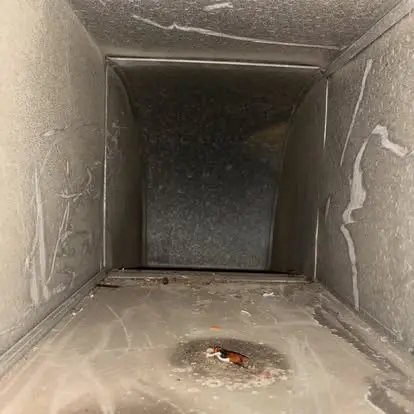 Real AirDuctVet photo
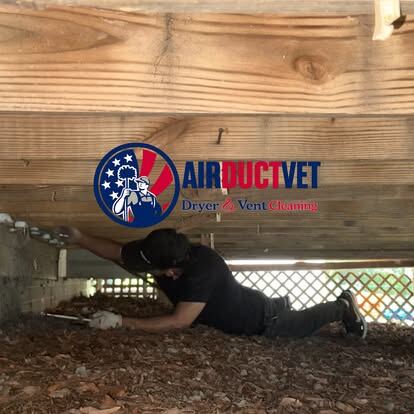 Real AirDuctVet photo
Clear, practical guidance: General education cannot replace an on-site inspection. We separate routine maintenance from conditions that need an HVAC, appliance, chimney, mold, or restoration specialist.
First identify the material instead of assuming it is duct insulation
Color and texture alone are not enough to identify a particle. Fiberglass duct liner, the inner layer of flexible duct, building insulation, drywall fibers, carpet fibers, pet hair, pest nesting material, and ordinary dust can look similar in a photograph. Note which register is affected, whether the material appears only when the blower runs, whether it is on the supply or return side, and whether recent HVAC, insulation, roofing, remodeling, pest, or ceiling work occurred nearby.
Do not reach into a register, scrape a liner, or run a household vacuum through the duct. If the material is actively blowing, shut the system off at the thermostat when it is safe to do so and keep people and pets away from the affected opening. Smoke, an electrical or burning odor, sparks, or another immediate hazard calls for emergency or qualified trade guidance, not a cleaning appointment.
Damaged internal liner or flexible duct can release material
Some sheet-metal ducts contain an internal fiberglass liner, and many residential systems use insulated flexible duct. Tears, abrasions, loose edges, water damage, crushing, age-related deterioration, careless tool contact, or pest activity can expose or release material. EPA's post-cleaning checklist says fiberglass should be free of tears and abrasions and remain well adhered to its underlying material.
Cleaning is not the same as repair. Aggressive brushing can damage a fragile surface, and EPA says wet or moldy fiberglass duct material should be removed and replaced rather than treated as a routine cleaning problem. The appropriate response depends on the material, condition, access, manufacturer instructions, and extent of damage. Repair, encapsulation, section replacement, or complete duct replacement requires separate evaluation by a qualified provider.
A return-side leak can pull insulation from an attic or crawlspace
The material at a register may originate outside the duct. A disconnected return, open filter slot, loose boot, unsealed equipment panel, or gap in a return chase can draw air and nearby debris from an attic, crawlspace, garage, or wall cavity. ENERGY STAR identifies loose connections, damaged ducts, and ducts in unconditioned areas as conditions worth inspecting, and its contractor guidance calls for examining the whole system, including attics and crawlspaces.
A camera view of one branch cannot prove the full return system is airtight. Duct leakage testing, pressure diagnostics, removal of insulation, opening finished surfaces, sealing, reconnecting, or replacing ductwork are separate from routine cleaning. If loose building insulation is entering through a leak, removing particles without correcting the opening allows the source to remain.
Recent work, filter gaps, or pests may point to another source
Material can enter an open register during ceiling, attic, insulation, drywall, flooring, or HVAC work. A filter that is missing, the wrong size, poorly fitted, or installed at an unsealed rack can also allow debris to bypass its intended path. Pest damage may involve nesting material, chewed flexible duct, contamination, or an opening that requires pest control and duct repair before cleaning is considered.
Document the timeline and keep any safe, undisturbed sample only if an appropriate inspector requests it. Routine air-duct service does not include pest removal, hazardous-material sampling, insulation remediation, demolition, or reconstruction. Those findings may require a licensed or otherwise qualified specialist and coordination with the property owner or manager.
Unknown fibers and suspected asbestos need special care
You cannot reliably identify asbestos by appearance. EPA advises using a properly trained and accredited asbestos professional when suspect material is damaged or could be disturbed. This is particularly important around older mechanical rooms, pipe or boiler insulation, vermiculite, old patching materials, and other building products whose composition is unknown.
Do not authorize brushing, compressed air, cutting, removal, or ordinary vacuuming through suspect material. AirDuctVet does not sample, test, disturb, clean, remove, or dispose of asbestos-containing material. If an appropriate inspection identifies a hazard, clearance and any corrective work must come from the qualified professionals responsible for that material before ordinary duct service resumes.
What should the inspection document?
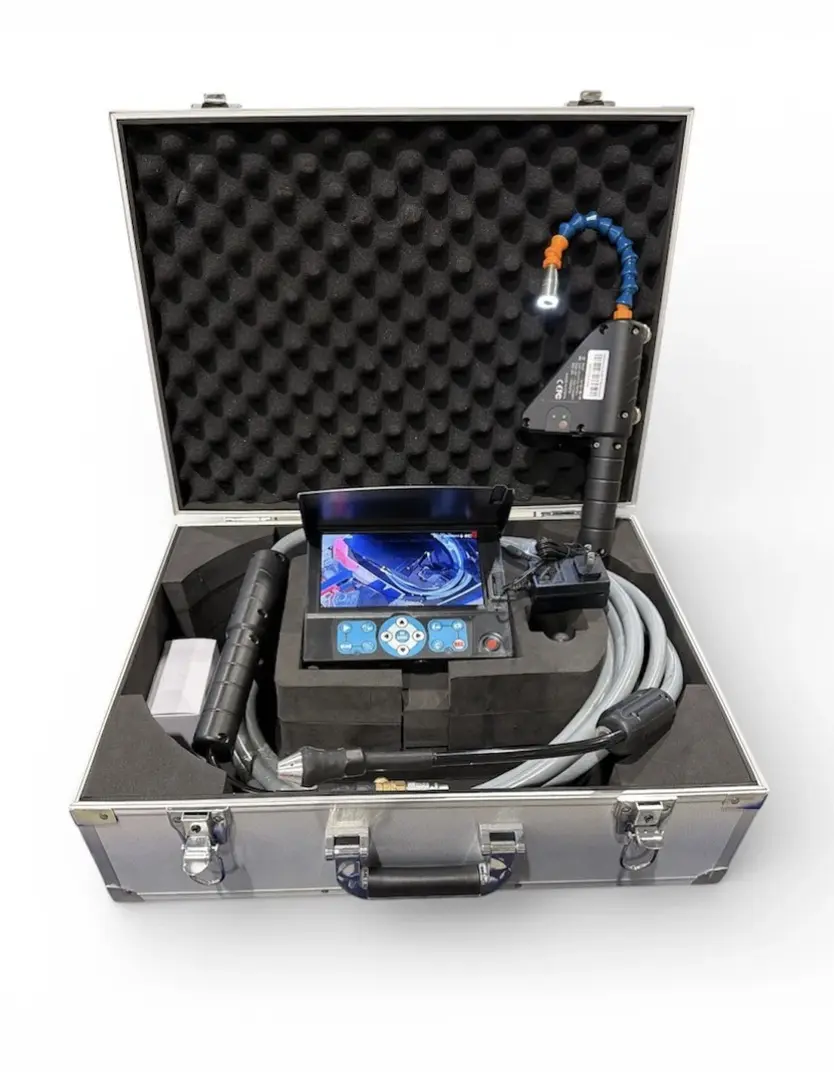
A useful assessment should identify the affected register, supply or return side, nearby equipment and filter arrangement, visible material, accessible duct type, damaged or disconnected sections, moisture evidence, recent work, and the limits of access. Photos should be tied to a specific location. A Cobra inspection camera can document selected reachable sections, but it cannot pass every bend, see through a duct wall, identify a fiber by sight, test for asbestos, measure leakage, or certify the complete concealed system.
Ask the provider to separate observations from conclusions. A photo of material at one boot does not prove that every duct is contaminated, and a clean camera view does not rule out a leak elsewhere. The next step should match the finding: cleaning for qualifying removable debris, mechanical evaluation for equipment or pressure concerns, duct repair for damage or leakage, insulation work for material outside the duct, pest control for active animals, or environmental assessment for a suspect hazardous material.
- Which exact register is affected, and is it a supply or return opening?
- Does material appear only while the blower runs?
- What duct material and condition are visible in the accessible section?
- Are there tears, moisture, loose connections, filter gaps, or nearby attic and crawlspace openings?
- What recent construction, insulation, pest, or HVAC work occurred?
- Which areas could not be reached or identified?
- Does the evidence support cleaning, repair, testing, or another specialist?
What AirDuctVet can clean and what requires separate approval
For an approved air-duct scope, AirDuctVet can inspect selected accessible areas, use service-matched source-removal methods on qualifying surfaces, remove qualifying loose debris from approved accessible ductwork, and document accessible conditions. The method must be appropriate for the duct material. Fragile, wet, moldy, damaged, contaminated, or unidentified material can limit or stop cleaning until the source and safe next step are established.
Routine duct service does not automatically include internal liner repair or replacement, flex-duct replacement, duct sealing, leakage testing, opening finished surfaces, mechanical diagnosis or repair, filter replacement, pest work, hazardous-material testing or abatement, mold remediation, building-insulation cleanup, or reconstruction. Coil cleaning must be requested, evaluated, and separately approved. Any additional work needs a defined scope and may require another qualified trade.
There is no fixed routine cleaning interval that fits every property. The decision should follow observed conditions, the duct material, equipment and manufacturer guidance, source correction, and access. Cleaning does not promise medical improvement or guaranteed energy savings, and it cannot prevent particles from returning when damaged material or an outside leak remains unresolved.
Frequently asked questions
Should I turn off the HVAC system if insulation is blowing from a vent?
Yes, when particles are actively entering the room and it is safe to use the thermostat, turn the system off and avoid disturbing the material until the source is assessed. Follow emergency guidance for smoke, burning odors, sparks, or another immediate hazard.
Can air-duct cleaning remove damaged fiberglass liner?
No. Cleaning may remove qualifying loose debris from approved surfaces, but it does not repair or replace torn, wet, moldy, or deteriorated liner. Damaged material needs a separate condition-specific evaluation.
Can insulation enter through a leaky return duct?
It can. A disconnected return, loose boot, open filter slot, or another return-side gap may draw debris from an attic, crawlspace, garage, or wall cavity. The leak must be located and addressed, not merely cleaned around.
Can a duct camera tell whether fibers contain asbestos?
No. A camera can document visible conditions in selected reachable sections, but it cannot identify asbestos or another material by sight. Suspect material should be evaluated by an appropriately trained and accredited professional.
Will changing the filter solve particles coming from a vent?
Only if the filter is the actual source of bypass and the system is otherwise intact. A torn duct, damaged liner, loose connection, or return leak requires separate correction. Filter replacement is not automatically included in routine AirDuctVet duct service.
Sources and further reading
Official guidance informs the general information above. AirDuctVet's included services are defined by your written quote; local requirements and manufacturer instructions may differ.