
Why Is Dust Coming From One Air Vent?
Dust coming from one air vent can be a local register, branch, construction, or connection issue. Learn what to check and when duct cleaning may help.
The short answer
As of August 2026, dust coming from one air vent is not enough evidence that an entire HVAC system needs cleaning. A single dusty opening can point to a local register, nearby renovation debris, a leaking or damaged connection, or loose material inside that branch. AirDuctVet checks the visible condition and scope before recommending work.
Three real AirDuctVet field photos
These authentic AirDuctVet job photos were selected for this topic. We do not use repeated AI artwork or stock photography.
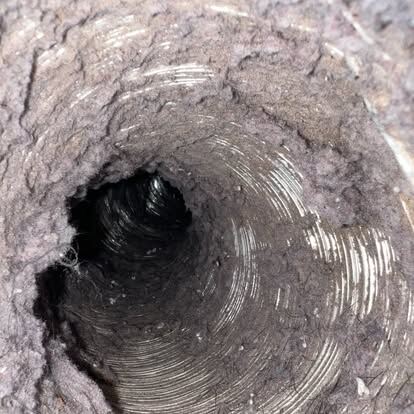 Real AirDuctVet photo
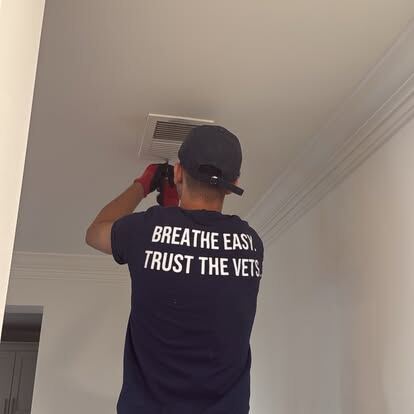 Real AirDuctVet photo
 Real AirDuctVet photo
Clear, practical guidance: General education cannot replace an on-site inspection. We separate routine maintenance from conditions that need an HVAC, appliance, chimney, mold, or restoration specialist.
What causes dust to come from only one air vent?
A dirty register face can release material when supply air starts. Dust can also collect where the register meets the wall, floor, or ceiling, especially when the opening is loose or the surrounding surface was recently cut, sanded, or repaired.
Material farther inside the branch is another possibility, but the source should not be guessed from the room alone. Construction debris, a disconnected or poorly sealed boot, damaged insulation, and ordinary room dust can look similar at the opening.
Does one dusty vent mean all air ducts need cleaning?
No. One affected vent supports a closer look at that opening and connected branch. Whole-system cleaning should be based on accessible buildup, the HVAC system layout, recent events such as remodeling, and the condition of the included supplies and returns.
AirDuctVet does not diagnose an entire duct system from dust on furniture or one register. The office asks for the system count, property type, renovation history, and photos so the likely scope can be separated from an HVAC repair or building-envelope issue.
What can a homeowner safely check first?
Turn the HVAC system off before looking closely at the register. Photograph the face, the gap around it, and the accessible interior without reaching into sharp sheet metal or disturbing unknown material. Compare the affected opening with another vent served by the same system.
- Check whether the register is loose, damaged, or surrounded by drywall dust.
- Note whether the problem began after renovation, filter work, or HVAC service.
- Confirm that the correct filter is installed and seated according to the equipment instructions.
- Do not apply chemicals or push household vacuum tools deep into the ductwork.
When can professional air duct cleaning help?
Professional cleaning may help when an inspection finds accessible loose dust or physical debris in the included ductwork. AirDuctVet may use commercial HEPA negative-air source removal for a qualifying system. Heavy, sticky, or construction material can require a separately approved vent-by-vent brush and compressor scope.
Cleaning cannot repair a disconnected boot, damaged duct, active moisture source, failing HVAC component, or building leak. Those conditions need the appropriate qualified trade before or instead of routine source removal.
What information helps AirDuctVet evaluate one dusty vent?
Send a photo of the affected register, a photo of a normal register for comparison, the full property address, property type, HVAC system count, filter history, and details about recent construction. AirDuctVet can then confirm local coverage and whether the request sounds like a single-opening concern, a broader cleaning scope, or a repair question.