
Why Does My Dryer Shut Off Mid-Cycle?
A dryer that shuts off mid-cycle may be overheating from restricted airflow, ending a sensor cycle, losing power, or developing an appliance fault.
The short answer
A dryer can shut off mid-cycle because an automatic sensor believes the load is dry, the appliance lost power, or a safety control reacted to excess heat. A blocked or crushed exhaust route is one possible cause, but a door switch, motor, belt, moisture sensor, control, gas, or electrical problem can create similar symptoms. Stop using the dryer if it is unusually hot, smells like burning or gas, produces smoke or sparks, or repeatedly stops before the load is dry. Vent cleaning should not be used as a substitute for appliance or electrical repair.
Three real AirDuctVet field photos
These authentic AirDuctVet job photos were selected for this topic. We do not use repeated AI artwork or stock photography.
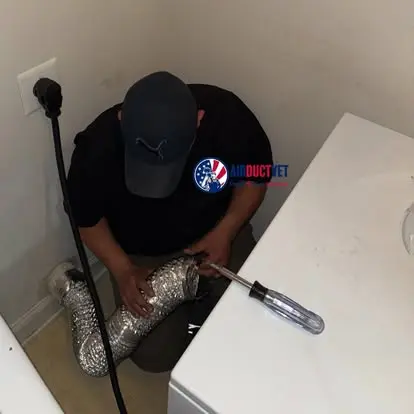 Real AirDuctVet photo
 Real AirDuctVet photo
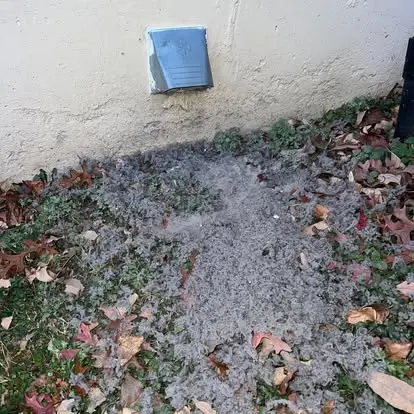 Real AirDuctVet photo
Clear, practical guidance: General education cannot replace an on-site inspection. We separate routine maintenance from conditions that need an HVAC, appliance, chimney, mold, or restoration specialist.
Why can a dryer stop before the cycle is finished?
Start by confirming whether the dryer actually stopped unexpectedly. On an automatic or sensor cycle, the controls may end the cycle when the moisture sensor determines that the load has reached the selected dryness level. A very small load, mixed fabrics, a dirty sensor, or the wrong cycle can make that decision seem premature even when the machine is following its programmed logic.
An unexpected shutdown can also follow overheating, interrupted electrical power, a loose door latch, a failing motor, a damaged belt, a control problem, or another internal appliance fault. GE and Whirlpool both identify a blocked vent as one possible cause while also listing appliance and power conditions. That is why the symptom should not be diagnosed from the vent alone.
If the dryer restarts only after cooling, an overheat condition is possible, but the source still needs to be identified. Restricted exhaust airflow can trap heat, while a motor or other internal component can also overheat. Repeatedly restarting the dryer does not determine which cause is present and can delay the correct repair.
- A sensor cycle that ends with dry clothes may be operating normally.
- A cycle that ends with damp clothes, excess heat, or a vent warning needs evaluation.
- A tripped breaker, damaged cord, loose door, or internal component fault is not corrected by vent cleaning.
- Smoke, sparks, a burning odor, or a gas odor requires immediate safety action, not another test cycle.
Can a clogged dryer vent make the dryer shut off?
Yes, restricted exhaust airflow can contribute to excessive heat and may cause some dryers to stop or display a temperature or airflow warning. Lint buildup, a crushed transition connector, a blocked exterior damper, nesting material, a disconnected or damaged section, or a long route with multiple bends can all interfere with exhaust movement.
Supporting signs can include longer drying times, a hot laundry room, damp or unusually hot clothes, weak movement at the exterior damper, lint around the connection or outlet, or an airflow code. These signs justify inspection, but none proves that the vent is the only cause. The dryer may have a separate fault at the same time.
The U.S. Fire Administration advises cleaning the lint filter before and after each load, keeping the area behind the dryer clean, and having the dryer installed and serviced by a professional. Those steps support safe maintenance, but they do not authorize continued use when an active warning sign is present.
What can I check safely before scheduling service?
Turn the dryer off and allow it to cool. Record the make, model, selected cycle, load type, time before shutdown, display message, and whether the clothes were dry or still damp. Consult the exact manufacturer manual because cycle behavior and diagnostic procedures vary by model.
Clean the lint filter according to the manufacturer instructions and confirm that the dryer is plugged directly into its approved outlet. From a safe location, look for a visibly crushed or detached transition connector and observe whether the outdoor damper opens during operation only if the dryer can be run without heat, odor, smoke, sparking, gas concern, or abnormal temperature. Do not climb or reach into a moving termination.
Do not pull out a stacked, recessed, or gas dryer unless the manufacturer and an appropriate professional confirm a safe method. Moving the appliance can damage flooring, the power cord, water line, transition connector, or gas connection. Do not open appliance panels, bypass a switch, repeatedly reset a breaker, or continue test cycles after an overheating or electrical symptom.
How is the exhaust route checked?
A useful dryer-vent inspection follows the accessible route from the appliance connection to the outdoor termination. It documents the connector material and condition, visible lint or debris, accessible joints, route length and bends, outlet type, damper movement, and any section that appears crushed, disconnected, unsupported, or inaccessible.
A Cobra inspection camera may document selected reachable portions of the exhaust route. It cannot see through every bend or obstruction, verify every concealed joint, certify the installation, test appliance controls, or diagnose a motor, thermostat, sensor, breaker, gas component, or wiring problem.
When the route contains qualifying accessible lint or debris, cleaning may restore airflow through that approved section. Cleaning cannot repair a damaged duct, unsafe transition connector, failed booster fan, roof or wall defect, appliance component, electrical supply, or gas connection. Those conditions require the appropriate separately qualified trade.
When should an appliance technician or electrician be called?
Arrange appliance service when the vent is confirmed clear but the dryer still stops, when the drum stops turning, the door switch behaves inconsistently, the motor hums or overheats, the belt is damaged, the controls show an appliance-specific fault, or sensor cycles end incorrectly after the manufacturer cleaning steps are followed.
A breaker that trips again, a damaged cord or outlet, flickering power, scorching, sparking, or suspected voltage problem belongs with a qualified electrician or the responsible property professional. Do not treat a repeat breaker trip as routine dryer behavior.
For a gas odor, suspected leak, carbon-monoxide alarm, smoke, or active fire concern, leave the area and follow the emergency instructions from the gas utility, alarm manufacturer, fire department, or emergency services. AirDuctVet dryer-vent cleaning is not emergency response and does not inspect or repair gas piping, combustion components, electrical wiring, or the dryer interior.
What does AirDuctVet include and exclude?
For an approved dryer-vent scope, AirDuctVet can review the accessible appliance connection and visible termination, clean qualifying accessible lint or debris through the approved route, document observable conditions, and check airflow within the limits of the service. Safe roof, ladder, attic, condo, and managed-building access must be confirmed before the appointment.
Routine dryer-vent cleaning does not automatically include appliance diagnostics or repair, dryer disassembly, gas or electrical work, motor, belt, thermostat, sensor, door-switch or control replacement, duct reconstruction, booster-fan repair, roof repair, exterior-cap replacement, permits, or code certification. Any additional scope must be separately evaluated and approved.
Air-duct cleaning is a separate service. Coil cleaning must be specifically requested, separately evaluated, and separately approved. Routine duct service does not automatically include mechanical repair or filter replacement. AirDuctVet does not promise medical improvement, guaranteed energy savings, or a fixed routine cleaning interval.
Frequently asked questions
Why does my dryer restart after it cools down? Cooling may allow an overheated safety control or motor to reset, but that pattern does not identify the cause. Stop repeated test cycles and have the vent and appliance evaluated as appropriate.
Can a sensor cycle end early even when the dryer is not broken? Yes. A small load, mixed fabrics, cycle selection, or a dirty moisture sensor can affect automatic-cycle behavior. Follow the exact manufacturer instructions for the model.
Will dryer-vent cleaning fix every mid-cycle shutdown? No. Cleaning can address qualifying accessible exhaust restrictions. It cannot repair power, controls, sensors, switches, belts, motors, gas components, or other internal faults.
Should I keep using timed dry if sensor dry stops early? Use only the cycles allowed by the manufacturer and only when there is no heat, odor, smoke, electrical, gas, or airflow concern. A different cycle should not be used to bypass an unresolved safety symptom.
What details should I send with a quote request? Send the property location, dryer make and model, floor and access, vent outlet photo, error code, cycle used, shutdown timing, and whether the dryer becomes hot or restarts after cooling.
Sources and further reading
Official guidance informs the general information above. AirDuctVet's included services are defined by your written quote; local requirements and manufacturer instructions may differ.