
Should You Clean Air Ducts Before HVAC Replacement?
Clean air ducts before HVAC replacement only when inspection finds qualifying debris or contamination, then coordinate timing with the HVAC installer.
The short answer
Do not clean air ducts automatically just because the furnace, air conditioner, or heat pump is being replaced. Inspect the existing supply and return system first. If there is qualifying debris, vermin contamination, visible growth that has been properly identified, or construction dust inside the ducts, cleaning may be appropriate. When cleaning is justified, coordinate it after dusty demolition and duct modifications are finished but before the new equipment enters normal service, when the approved project sequence allows. Duct cleaning does not replace duct-leakage testing, airflow setup, equipment commissioning, or repair.
Three real AirDuctVet field photos
These authentic AirDuctVet job photos were selected for this topic. We do not use repeated AI artwork or stock photography.
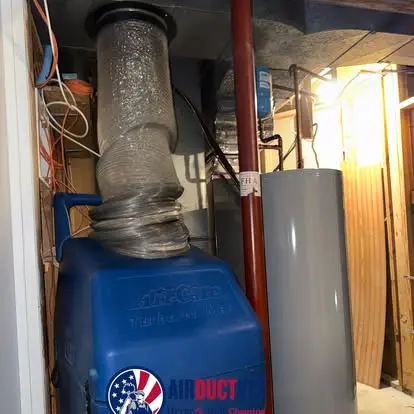 Real AirDuctVet photo
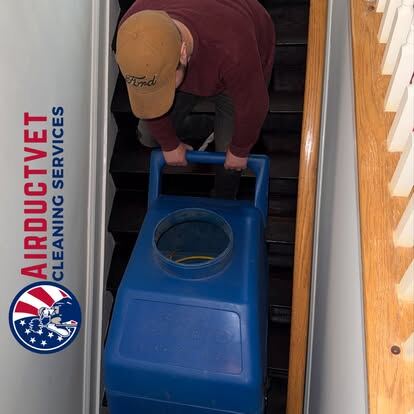 Real AirDuctVet photo
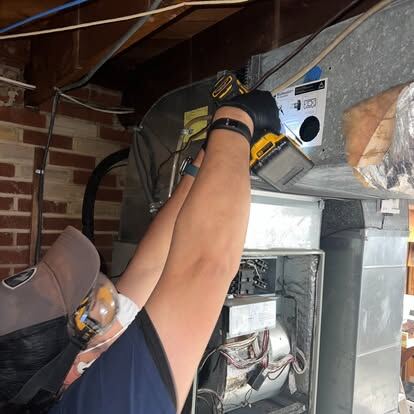 Real AirDuctVet photo
Clear, practical guidance: General education cannot replace an on-site inspection. We separate routine maintenance from conditions that need an HVAC, appliance, chimney, mold, or restoration specialist.
Does every HVAC replacement require air duct cleaning?
No. Replacing HVAC equipment does not by itself prove that the ducts are dirty or that cleaning will improve the new system. The U.S. Environmental Protection Agency does not recommend routine duct cleaning on a fixed schedule. It recommends considering cleaning when there is substantial visible mold growth on hard surfaces, vermin infestation, excessive dust or debris, or particles being released from supply registers.
A light layer of ordinary household dust is not the same as a clogged or contaminated duct system. Before approving work, ask for photographs or a camera view of representative supply and return areas, identify the duct materials, and determine whether the proposed cleaning addresses an observed condition. An inspection should also look for damaged flex duct, wet insulation, disconnected sections, open joints, or other conditions that cleaning cannot correct.
The HVAC replacement contractor and the duct-cleaning company have different responsibilities. The HVAC contractor selects, installs, starts, and commissions the equipment. A duct-cleaning scope removes qualifying accessible buildup using methods suitable for the duct material. One service should not be presented as a substitute for the other.
When can cleaning the existing ducts make sense?
Cleaning may make sense when inspection documents a source-removal need that will remain after the old equipment is removed. Examples include heavy renovation dust inside the distribution system, accessible debris left from equipment or duct work, rodent or insect contamination after the entry source has been corrected, or excessive deposits that could be disturbed by airflow through the new system.
Source control comes first. EPA guidance explains that underlying causes should be corrected before cleaning, retrofitting, or replacing ducts or the problem is likely to return. A roof leak, condensate problem, unsealed return, pest entry point, damaged duct, or active construction zone should not be hidden behind a cleaning invoice.
- Document the condition rather than assuming every older duct system needs cleaning.
- Correct water, pest, construction, or air-leak sources before cleaning whenever the project sequence permits.
- Confirm that the cleaning method is suitable for sheet metal, duct board, internally lined duct, or flexible duct.
- Replace material that is damaged or cannot be cleaned safely instead of forcing an aggressive cleaning method.
Should duct cleaning happen before or after the new equipment is installed?
The best sequence depends on what the HVAC contractor will remove, modify, seal, or replace. In many projects, dusty demolition and sheet-metal modifications should finish first so new debris is not introduced after cleaning. The ducts can then be cleaned, if justified, while the installer protects open connections and coordinates final equipment setup. The new system should not be used as a construction vacuum or operated through an active dust-producing phase.
Some layouts make it safer or more practical to clean before the old air handler or furnace is removed. Others provide better access after the equipment is disconnected. The two contractors should agree in writing on access, isolation, protection of the new coil and blower, temporary sealing of open duct ends, final filter placement, and who will verify the system before startup.
There is no universal rule that cleaning must occur on a specific day. The goal is to avoid re-contaminating cleaned ducts, damaging new equipment, or disrupting the HVAC contractor's commissioning work. If the sequence changes, pause and reconcile the scope before proceeding.
What should the HVAC installer check besides cleanliness?
Clean-looking ducts can still leak, restrict airflow, or be poorly sized. ENERGY STAR advises homeowners to ask the HVAC contractor to inspect the duct system, perform leakage testing, make necessary repairs, and verify that airflow meets the equipment manufacturer's performance specifications. Those steps address performance questions that duct cleaning cannot answer.
The installer should also size the replacement equipment for the home rather than relying only on the old model or a rule of thumb. Oversized equipment may cycle too frequently, and EPA guidance notes that an oversized air-conditioning system can remove moisture poorly. Proper sizing, airflow, refrigerant charge, condensate management, electrical work, fuel connections, and controls belong to the HVAC installation scope.
Duct sealing is also different from coating the duct interior. Sealing accessible air leaks at joints or connections is an HVAC or duct-repair task. Applying a chemical coating or encapsulant inside dirty ducts is not a substitute for source removal, and any proposed product requires a separately approved scope and label review.
When should ducts be repaired or replaced instead of cleaned?
Cleaning cannot restore crushed flex duct, torn inner liners, collapsed duct board, disconnected runs, corroded sections, failed supports, undersized branches, or inaccessible wet insulation. EPA states that wet or moldy insulated ducts cannot be effectively cleaned and should be removed and replaced by a qualified professional after the moisture source is corrected.
A camera assessment may document selected reachable areas, but it cannot verify every concealed joint, leakage path, insulation condition, pressure relationship, or structural support. Findings should be combined with leakage testing, airflow measurements, installation records, and the HVAC contractor's evaluation when those questions matter to the replacement project.
If replacement is recommended, ask which exact sections are affected and why. Partial repair, sealing, support correction, or rerouting may be enough in some homes; other systems need broader redesign. AirDuctVet does not promise that cleaning will solve a mechanical or design defect.
What does AirDuctVet include and exclude?
For an approved air-duct-cleaning scope, AirDuctVet can establish controlled negative air, clean qualifying accessible supply and return ductwork, clean registers within the written scope, document observable conditions, and explain findings. The exact access points, agitation method, system count, and exclusions are confirmed before work begins.
Coil cleaning must be specifically requested, separately evaluated, and separately approved. Routine duct service does not automatically include blower or air-handler cleaning, mechanical repair, duct sealing, duct replacement, airflow balancing, refrigerant work, electrical work, controls, condensate repair, equipment commissioning, or filter replacement. The HVAC installer remains responsible for the new equipment and its startup requirements.
AirDuctVet does not guarantee medical improvement, energy-bill savings, or a specific cleaning interval. If visible material may be mold, confirmation can require an appropriate expert or laboratory analysis. Active water, asbestos-containing material, damaged ductwork, unsafe access, or unresolved pests can require another qualified trade or a revised plan before cleaning.
Frequently asked questions
Will dirty ducts damage a new HVAC system? Excessive debris, a leaking return, moisture, or another unresolved condition may affect the system, but ordinary settled dust does not prove damage. Inspect the ducts and correct the actual source instead of relying on a blanket claim.
Can the HVAC contractor clean the ducts during replacement? Only if duct cleaning is included in the written proposal and the contractor has suitable containment, negative-air equipment, access methods, and procedures for the duct material. Equipment replacement alone is not a complete duct-cleaning process.
Should I replace the filter after the installation? Follow the equipment manufacturer's instructions and the HVAC installer's commissioning plan. Routine AirDuctVet duct service does not automatically include filter replacement.
Can duct cleaning fix low airflow after a new system is installed? Not necessarily. Low airflow can involve sizing, balancing, dampers, leakage, crushed or disconnected ducts, blower setup, filter resistance, coil condition, or other mechanical issues. The HVAC installer should diagnose the system before cleaning is chosen as the remedy.
Do I need coil cleaning with duct cleaning? Not automatically. The coil should be inspected as part of the equipment project. AirDuctVet coil cleaning must be requested, separately evaluated, and separately approved; it is not included in routine duct service.
Sources and further reading
Official guidance informs the general information above. AirDuctVet's included services are defined by your written quote; local requirements and manufacturer instructions may differ.