
Can I Still Use My Dryer If It Says “Vent Blocked”?
No, you should not continue using your dryer when it displays a “Vent Blocked” warning. The alert means hot, moist air cannot escape the system, which creates serious fire and carbon monoxide risks. For homeowners,…
Three real AirDuctVet field photos
These authentic AirDuctVet job photos were selected for this topic. We do not use repeated AI artwork or stock photography.
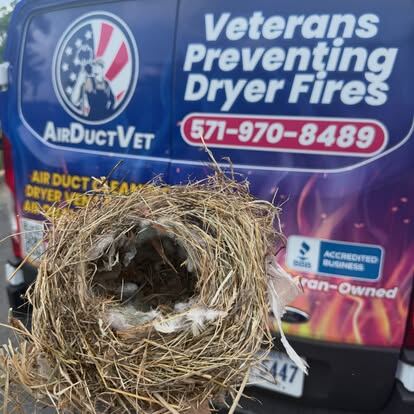 Real AirDuctVet photo
 Real AirDuctVet photo
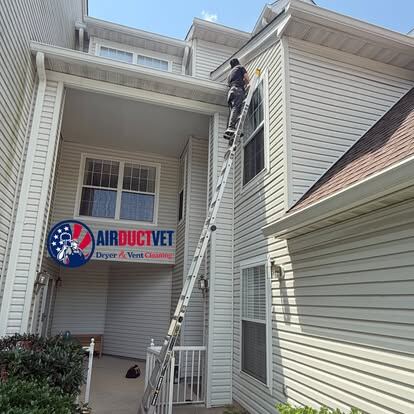 Real AirDuctVet photo
Clear, practical guidance: General education cannot replace an on-site inspection. We separate routine maintenance from conditions that need an HVAC, appliance, chimney, mold, or restoration specialist.
No, you should not continue using your dryer when it displays a “Vent Blocked” warning. The alert means hot, moist air cannot escape the system, which creates serious fire and carbon monoxide risks. For homeowners, landlords, and property managers in Alexandria, VA, this warning signals that professional inspection and cleaning are needed before the appliance is safe to operate again. Acting quickly protects your home, your tenants, and your appliance investment.
The Direct Answer: Stop Using Your Dryer Immediately
A “Vent Blocked” notification is a built-in safety alert, not a suggestion. Modern dryers monitor airflow through the exhaust line, and when that airflow drops below safe thresholds, the system flags the obstruction. Running the dryer through this warning forces heat to build up inside the drum and vent, increasing the chance of lint ignition. The safest action is to power down the unit and schedule a professional vent inspection before the next load.
What the “Vent Blocked” Warning Actually Means
Sensors inside the dryer measure airflow, drying time, and internal temperature. When lint, debris, or a collapsed duct restricts the exhaust path, the system detects the imbalance and triggers the warning. In most cases, the obstruction is somewhere between the dryer outlet and the exterior vent hood. The cause is rarely the dryer itself. The duct, the transition hose, or the outdoor termination is usually where the buildup sits.
The Fire and Carbon Monoxide Risks of Ignoring It
Lint is highly flammable, and trapped heat inside a blocked vent is a leading cause of household appliance fires. The U.S. Fire Administration reports that clothes dryers cause roughly 2,900 home fires each year, with failure to clean being the top contributor. Gas dryers add a second danger: a blocked vent can push carbon monoxide back into your living space rather than outdoors, threatening indoor air quality and occupant safety.
Recognizing warning signs of dryer vent buildup earlier could have prevented the alert entirely, and knowing those signs protects your next dryer too.
What Causes a Blocked Dryer Vent in Alexandria Homes
Several factors common to Alexandria, VA properties contribute to vent blockages. Older townhomes and condos often have long, winding duct runs that trap lint at every bend. Humidity from the Potomac region accelerates lint compaction inside the duct walls. Bird nests, dryer sheet residue, and crushed flexible hoses behind appliances are also frequent culprits. Landlords managing multiple units often see vents fail faster because tenant usage is heavier and inspection schedules are inconsistent. Vents that exit through the roof are especially prone to hidden buildup that homeowners cannot see from inside.
Signs Your Vent Was Failing Before the Warning Appeared
Most blockages develop gradually. Clothes taking two or three cycles to dry, a hot laundry room, a burning smell during operation, or visible lint around the outdoor vent flap are early indicators. If the dryer body felt unusually hot to the touch, airflow was already restricted. These symptoms typically appear weeks before the sensor triggers the formal warning.
How to Safely Restore Your Dryer to Working Order
Unplug the dryer or shut off the gas supply before doing anything else. Disconnect the transition hose and visually inspect it for crushing or lint packing. Check the outdoor vent hood for debris, nests, or a stuck damper. Light surface lint can be cleared manually, but compacted buildup deeper in the duct requires professional rotary brush equipment and proper containment. Understanding what professional vent cleaning typically costs helps you budget the service and avoid contractors who pad the price with unnecessary add-ons.
What Homeowners Should Remember
A “Vent Blocked” warning is your dryer telling you the exhaust path is unsafe. Stopping use protects against fire, carbon monoxide exposure, and appliance damage.
For Alexandria homeowners, landlords, and property managers, regular vent inspections preserve safety, lower energy costs, and extend dryer lifespan across every property you maintain.
We at AirDuctVet Dryer & Vent Cleaning Services deliver transparent inspections and certified cleaning that restore your dryer to safe operation. Schedule your service today.
Frequently Asked Questions
How long can I wait before cleaning a blocked dryer vent?
You should not wait. Every cycle run through a blocked vent increases fire risk. Schedule professional cleaning within days, not weeks.
Will resetting my dryer clear the “Vent Blocked” warning?
A reset may temporarily silence the alert, but the obstruction remains. The warning will return, and the safety risk continues until the vent is physically cleaned.
How often should dryer vents be cleaned in Alexandria, VA?
Most single-family homes need annual cleaning. Larger households, pet owners, and rental properties typically require service every six to nine months for safe airflow.
Can a blocked vent damage my dryer permanently?
Yes. Restricted airflow forces the heating element and motor to overwork, shortening lifespan, and may void the manufacturer’s warranty on repairs.
Is dryer vent cleaning different from air duct cleaning?
Yes. Dryer vents handle exhaust from one appliance, while HVAC air ducts circulate conditioned air throughout the home. Both improve indoor air quality but use different equipment.