
Does a Chimney Sweep Include a Camera Inspection?
Does a chimney sweep include a camera inspection? Learn what sweeping and a visual review cover, when a video scan may help, and what to ask before booking.
The short answer
No. As of September 4, 2026, a chimney sweep does not automatically include a camera inspection. AirDuctVet's routine chimney service includes sweeping of qualifying accessible areas and a basic visual condition review. An advanced flue-camera or Level 2 inspection is a separate professional scope and must be specifically arranged when it is appropriate.
Three real AirDuctVet field photos
These authentic AirDuctVet job photos were selected for this topic. We do not use repeated AI artwork or stock photography.
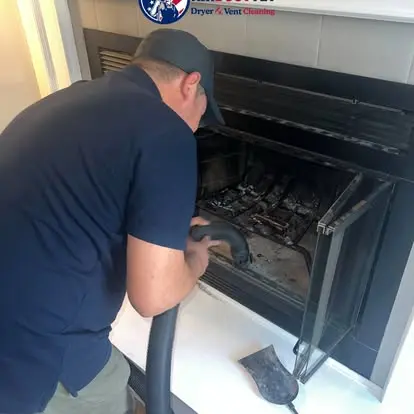 Real AirDuctVet photo
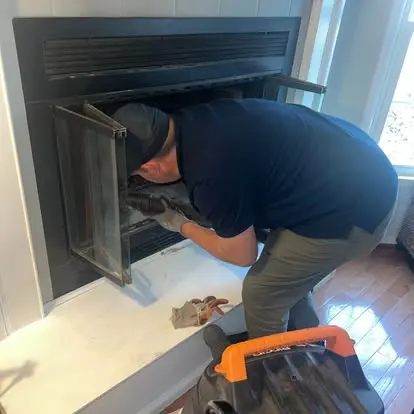 Real AirDuctVet photo
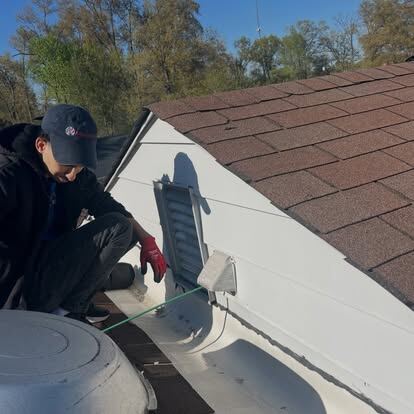 Real AirDuctVet photo
Clear, practical guidance: General education cannot replace an on-site inspection. We separate routine maintenance from conditions that need an HVAC, appliance, chimney, mold, or restoration specialist.
Does a chimney sweep include a camera inspection?
Only when the written proposal specifically lists it. Sweeping removes qualifying accessible soot, creosote, and loose material. A basic visual review looks at visible portions of the firebox, damper area, flue opening, and other safely accessible components. A camera inspection uses specialized equipment to document more of the flue interior and may require a separate report.
The U.S. Fire Administration advises homeowners to have chimneys professionally cleaned and inspected each year. That safety guidance does not mean every sweep price includes every level of inspection. Confirm the cleaning and inspection scope before the appointment.
What can a basic visual chimney review show?
A visual review can identify accessible soot or creosote buildup, loose debris, some animal material, visible damage around the fireplace opening, and obvious concerns at safely observable exterior components. It also helps determine whether routine sweeping can proceed within the approved scope.
It cannot confirm the condition of every concealed liner surface, hidden joint, chase, masonry section, or inaccessible termination. A clean-looking firebox does not prove that the entire chimney is undamaged or suitable for use.
When may an advanced camera inspection be appropriate?
A qualified chimney inspection specialist may recommend a video scan when the system's history is unknown, the fireplace has been dormant for years, a property is changing ownership, the appliance or fuel type changed, or there are signs of water entry, unusual odors, damaged material, poor draft, or a possible chimney fire.
A specialist camera assessment and a complete Level 2 inspection are different scopes. Camera footage documents visible flue conditions; a full inspection must address the elements required by the applicable standard and record access limitations. The appropriate inspection level depends on the system, circumstances, applicable standard, and the professional's findings. Camera footage improves visibility but does not by itself repair a defect, guarantee future performance, or replace any destructive access that a specialist determines is necessary.
What should a chimney-service quote identify?
A useful quote separates sweeping, the basic visual review, advanced inspection, written reporting, roof access, cap work, and repairs. It should also identify how many fireplaces or flues are included and whether the service applies to a wood-burning system, insert, stove, or another appliance type.
- Confirm whether the price covers sweeping, inspection, or both.
- Ask whether a video scan and written inspection report are included or separate.
- Provide the number of fireplaces, fuel type, use history, and last known service date.
- Share photos of the fireplace, exterior chimney, cap, and any visible staining or damage.
- Explain any recent chimney fire, renovation, leak, odor, draft problem, or property-transfer requirement.
What does AirDuctVet chimney sweeping include?
AirDuctVet protects the surrounding work area, sweeps qualifying accessible chimney areas, removes loose material within the approved cleaning scope, and completes a basic visual condition review. The routine service does not include an advanced camera assessment, a complete Level 2 inspection, structural evaluation, liner certification, masonry repair, cap installation, or chimney reconstruction unless a separate service is expressly listed.
If the visual review indicates a concealed, structural, liner, drafting, water-entry, or appliance concern, AirDuctVet may recommend evaluation by an appropriately qualified chimney or HVAC specialist before the fireplace is used. Cleaning should not be presented as a repair for an unsafe or damaged system.
Frequently asked questions
Does a clean flue prove the chimney liner is safe? No. Removing buildup does not certify concealed liner condition or confirm that every component meets current requirements.
Can chimney sweeping repair a cracked liner? No. Sweeping removes qualifying buildup. Liner damage requires evaluation and a separate repair or replacement scope.
Does AirDuctVet include a camera inspection with every chimney sweep? No. Routine service includes a basic visual review, not an advanced flue-camera or Level 2 inspection.
Should I request a camera inspection for a fireplace that has not been used in years? Unknown history or long dormancy can justify a more detailed evaluation. Share the history and visible conditions so the appropriate professional scope can be determined.
Sources and further reading
Official guidance informs the general information above. AirDuctVet's included services are defined by your written quote; local requirements and manufacturer instructions may differ.