
Can Wet Air Duct Insulation Be Cleaned?
Wet air duct insulation usually needs removal and replacement after the moisture source is corrected; cleaning cannot restore damaged porous material.
The short answer
Wet or moldy air duct insulation generally cannot be effectively cleaned. The moisture source should be found and corrected first, then the affected insulated duct, liner, wrap, or duct board should be evaluated for removal and replacement by the appropriate qualified professional. Cleanable bare sheet metal may be treated differently, but cleaning alone will not repair wet insulation, a leak, condensation problem, damaged duct, or HVAC fault.
Three real AirDuctVet field photos
These authentic AirDuctVet job photos were selected for this topic. We do not use repeated AI artwork or stock photography.
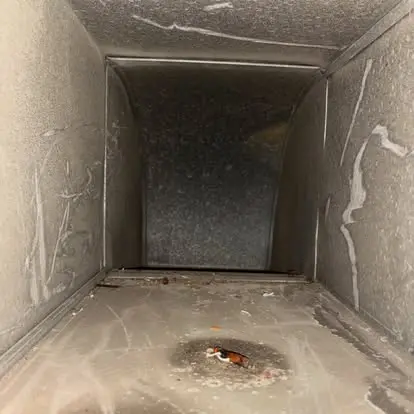 Real AirDuctVet photo
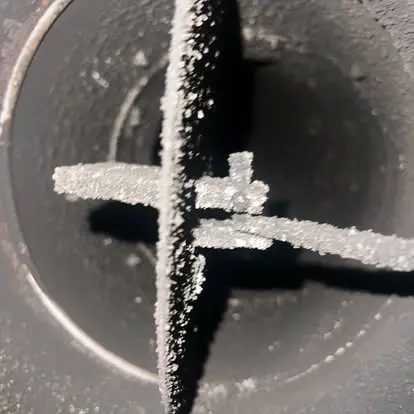 Real AirDuctVet photo
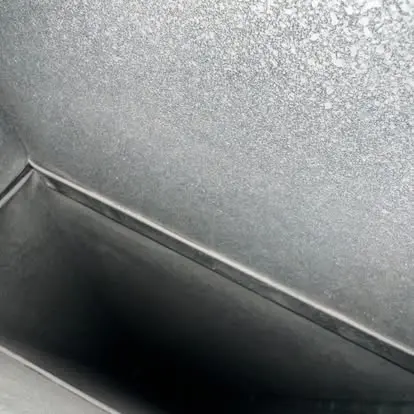 Real AirDuctVet photo
Clear, practical guidance: General education cannot replace an on-site inspection. We separate routine maintenance from conditions that need an HVAC, appliance, chimney, mold, or restoration specialist.
Can wet duct insulation be saved?
Do not assume that drying the surface restores insulated duct material. The U.S. Environmental Protection Agency states that when insulated air ducts become wet or moldy, they cannot be effectively cleaned and should be removed and replaced. Porous insulation can hold moisture and contamination below the visible surface, and an aggressive cleaning method can damage the material.
The correct next step depends on what is wet. Ducts may have fiberglass liner inside sheet metal, insulation wrapped around the exterior, flexible duct with an insulated jacket, or fiberglass duct board that forms the duct itself. A dry stain on exterior wrap is not the same condition as saturated liner inside the air stream, so the material, location, extent, and moisture source must be documented before a scope is approved.
Bare sheet metal that is structurally sound may sometimes be cleaned after the water source is corrected and damaged porous material is removed. Cleaning does not make wet insulation reusable, and it does not determine whether concealed building materials are dry.
Where does moisture in duct insulation come from?
Common sources include a leaking roof or pipe, an overflowing or damaged condensate pan, a blocked drain, a frozen coil, failed equipment insulation, humidifier leakage, an unsealed opening, groundwater in a crawlspace, or condensation on a cold duct in a hot and humid attic or crawlspace. More than one source can be present.
EPA moisture guidance emphasizes correcting leaks and seepage and managing humidity rather than treating only the visible result. If the source remains active, replacement insulation can become wet again. Photograph the affected area from a safe position, note when the moisture appears, and avoid disturbing material that could contain asbestos or another hazardous substance.
AirDuctVet can document observable duct conditions within an approved scope, but routine duct cleaning does not diagnose or repair refrigerant, drainage, roofing, plumbing, electrical, structural, or building-envelope problems. Those conditions may require an HVAC contractor or another qualified trade before cleaning or replacement proceeds.
- Active dripping or standing water requires source control before cleaning.
- Condensation may indicate missing insulation, air leakage, humidity, or an equipment or design issue.
- A musty odor or dark mark alone does not prove what the material is; confirmation may require an appropriate expert or laboratory.
- Wet ceilings, electrical components, structural movement, or sewage-contaminated water require an appropriate safety response, not a routine cleaning appointment.
What should an inspection document?
A useful inspection identifies the duct material, where the moisture is located, whether the insulation is inside or outside the air stream, the approximate affected extent, and any visible tear, collapse, corrosion, open joint, or disconnected section. Moisture measurements and evaluation of the leak source may need to come from the HVAC contractor, roofer, plumber, restoration professional, or other qualified specialist responsible for that system.
A camera can document selected reachable duct interiors, including visible staining, water, debris, damage, and material condition. It cannot see every concealed surface, measure every insulation layer, diagnose the source of all condensation, certify that a building cavity is dry, or determine from an image alone whether a substance is mold.
Ask for photographs tied to specific locations and a written recommendation that separates cleanable surfaces from material proposed for repair or replacement. A blanket proposal to sanitize the whole system without identifying the water source or wet material does not answer the underlying problem.
When is cleaning appropriate after water damage?
Cleaning may be appropriate for qualifying accessible, structurally sound hard surfaces after the moisture source is corrected and non-cleanable porous material is removed. The method should suit the duct material, contain dislodged debris, and avoid spreading contamination through the occupied space or into clean equipment.
Replacement or repair is usually the more relevant path for saturated internal liner, wet fiberglass duct board, damaged flexible duct, collapsed insulation, corroded metal, failed joints, or material that cannot be reached and cleaned safely. Duct cleaning cannot restore thermal performance, reconnect a run, seal a leak, correct airflow, or replace an HVAC repair.
The work sequence should be coordinated in writing. Water-source correction and removal of damaged material generally come before final cleaning, while the HVAC contractor should protect coils, blowers, controls, and new duct connections from construction debris. The system should not be used as a construction vacuum or operated through an unsafe wet condition.
What does AirDuctVet include and exclude?
For an approved air-duct-cleaning scope, AirDuctVet can establish controlled negative air, clean qualifying accessible supply and return ductwork, clean registers within the written scope, document observable conditions, and explain findings. Access points, agitation methods, system count, and exclusions are confirmed before work begins.
Coil cleaning must be specifically requested, separately evaluated, and separately approved. Routine duct service does not automatically include blower or air-handler cleaning, mechanical repair, leak repair, duct sealing, insulation or duct replacement, airflow balancing, refrigerant work, plumbing, electrical work, condensate repair, structural drying, mold remediation, asbestos work, or filter replacement.
AirDuctVet does not promise medical improvement, guaranteed energy-bill savings, or a fixed routine cleaning interval. Active water, unsafe access, suspected asbestos-containing material, sewage contamination, unresolved pests, or damaged ductwork can require another qualified trade or a revised plan before cleaning begins.
Frequently asked questions
Can I dry wet duct insulation with the HVAC fan? Do not use the system as a drying tool without professional direction. Running it may move moisture or contamination and does not correct the leak or restore damaged insulation.
Can a disinfectant or sealant make wet insulation usable again? A coating or spray is not a substitute for correcting the water source or removing material that cannot be effectively cleaned. Any proposed product needs a separate, informed review of its label, compatibility, and limitations.
Does a wet duct mean the whole system must be replaced? Not automatically. The affected material and extent should be documented. Some projects need a localized repair or replacement, while broader damage can require a larger HVAC or restoration scope.
Can AirDuctVet replace wet insulation? Duct or insulation replacement is not automatically part of routine cleaning. The team can document observable conditions and explain whether a separately approved scope or another qualified contractor is needed.
Should the filter be replaced after water damage? Follow the HVAC equipment manufacturer's instructions and the responsible HVAC contractor's plan. Routine AirDuctVet duct service does not automatically include filter replacement.
Sources and further reading
Official guidance informs the general information above. AirDuctVet's included services are defined by your written quote; local requirements and manufacturer instructions may differ.