
Can I Use My Fireplace After a Chimney Fire?
Do not use a fireplace after a suspected chimney fire until the chimney system has been inspected and any required repairs are completed.
The short answer
No. Do not use a fireplace, stove, or connected heating appliance after a suspected chimney fire until the complete venting system has been professionally evaluated and any required repairs are finished. A chimney fire can damage the flue liner, masonry, connectors, factory-built components, cap, chase, or nearby construction even when the exterior looks normal. If a fire may be happening now, get everyone to safety, call emergency services, and follow the fire department's instructions. A routine sweep or quick camera look does not by itself establish that the chimney is safe to use again.
Three real AirDuctVet field photos
These authentic AirDuctVet job photos were selected for this topic. We do not use repeated AI artwork or stock photography.
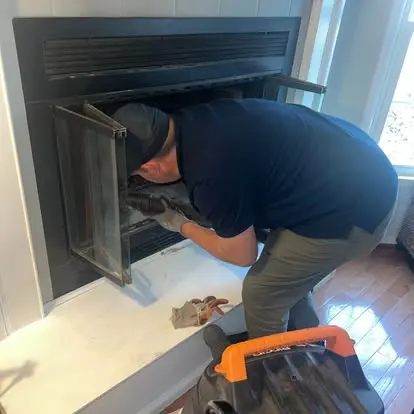 Real AirDuctVet photo
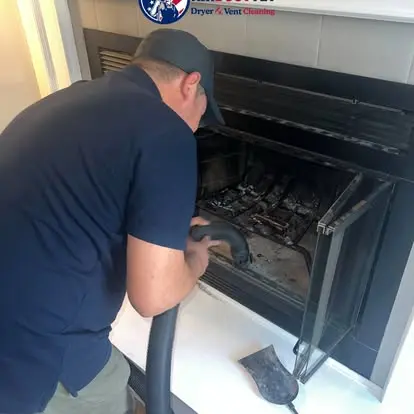 Real AirDuctVet photo
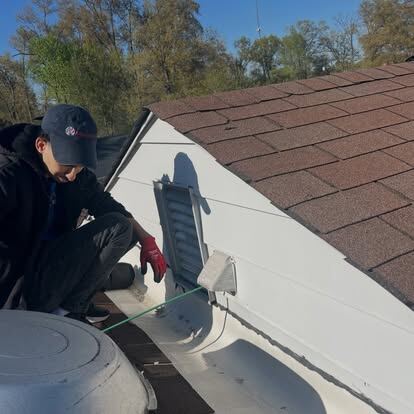 Real AirDuctVet photo
Clear, practical guidance: General education cannot replace an on-site inspection. We separate routine maintenance from conditions that need an HVAC, appliance, chimney, mold, or restoration specialist.
What should I do if I think the chimney is on fire?
Treat roaring, rumbling, loud cracking, intense heat, dense smoke, flames or sparks from the chimney top, or smoke entering the home as an emergency. Stop adding fuel, move people and pets to safety, call emergency services, and follow the responding fire department's directions. Do not climb onto the roof, block the flue, dismantle an appliance, or keep using the fireplace to see whether the symptom returns.
Some chimney fires are dramatic, but others may be brief or difficult to recognize. A strong hot odor, an unusual change in draft, fallen liner fragments, puffy or expanded creosote, warped metal, cracked masonry, or unexplained soot can support concern after the event. None of those observations alone can define the full damage or clear the system for use.
The U.S. Fire Administration advises having chimneys and vents cleaned and inspected by a qualified professional. CPSC and USFA heating guidance also emphasizes professional chimney inspection and attention to blockages, leakage, and creosote. Those maintenance recommendations do not replace emergency response during an active fire.
- Leave and call emergency services if flames, heavy smoke, structural heat, or alarms indicate an active hazard.
- Do not pour water into a hot fireplace or chimney unless the fire department specifically directs you to do so.
- Do not rely on the absence of exterior damage as proof that the liner and concealed clearances are intact.
- Keep the appliance out of service until the post-event evaluation and any repairs are documented.
Why can a chimney look normal after a fire but still be unsafe?
A chimney contains more than the visible firebox and exterior masonry. Heat can affect clay flue tiles and mortar joints, metal liners, connectors, dampers, smoke-chamber surfaces, insulation, factory-built chimney sections, supports, chase components, and nearby combustible construction. Damage can be above the roofline, inside the flue, or behind finished surfaces.
A homeowner may see only a soot mark or a few fragments in the firebox, while the meaningful defect is higher in the system. Conversely, ordinary deposits or an old crack do not prove that a chimney fire occurred. The event history, appliance type, fuel, deposits, accessible surfaces, and applicable inspection standard all matter.
Carbon monoxide is colorless and odorless. CPSC recommends working carbon-monoxide alarms and professional attention to fuel-burning appliances and venting. An alarm, headache, dizziness, nausea, or smoke entry requires immediate safety action; a chimney-cleaning appointment is not emergency medical, utility, or fire response.
What inspection is needed before the fireplace is used again?
The professional should first confirm the appliance and chimney type, the reported event, fire-department findings when available, and whether the system has already been disturbed or cleaned. The evaluation should document the firebox or appliance, damper and connector, smoke chamber where applicable, accessible flue surfaces, liner condition, termination, and visible exterior components. Areas that cannot be evaluated should be stated clearly.
NFPA 211 defines chimney inspection levels and their scopes. A suspected chimney fire is not the same as routine annual maintenance, and it can justify a more detailed evaluation based on the event and the system. Confirm the requested inspection level, access, documentation, and deliverables in writing. Local fire, building, insurance, or property-management requirements may also apply.
A camera can document selected reachable portions of a flue, but a routine camera assessment is not automatically a complete Level 2 chimney inspection. It cannot see through every masonry joint, verify concealed clearances, test structural integrity, certify an appliance listing, or determine every repair from images alone. Additional access, specialized inspection, a fireplace dealer, mason, engineer, roofer, or another qualified trade may be needed.
Is chimney sweeping enough after a chimney fire?
No. Sweeping can remove qualifying accessible soot, creosote, or debris and may be part of the evaluation, but cleaning does not repair a cracked liner, separated joint, warped connector, damaged factory-built component, failed masonry, compromised support, or heat-damaged nearby construction. Removing deposits also can make some surfaces easier to document, yet it does not prove the entire system is safe.
The order of work matters. If the system must be documented for the fire department, insurer, property owner, or repair contractor, ask what evidence should be preserved before cleaning. Do not authorize a simple sweep as a substitute for the inspection or damage assessment required after the event.
If a company says the chimney is safe immediately after brushing it, ask what inspection scope was performed, which areas were visible, what defects were ruled out, and whether the written report identifies limitations. A low-cost cleaning offer should not be allowed to bypass a post-fire safety evaluation.
When can the fireplace be used again?
Return the system to service only after the appropriate professional has completed the agreed inspection, required repairs have been completed by qualified trades, and any fire-department, manufacturer, permit, insurance, or local authority conditions have been satisfied. Keep the reports, photographs, invoices, and repair documentation together.
The clearance may be limited to a specific appliance and venting configuration. Replacing an insert, changing fuel, relining, altering a connector, or modifying the chimney can trigger different manufacturer and code requirements. Do not assume that a prior inspection automatically approves a later change.
After service is restored, operate the appliance only under its manufacturer instructions, use the approved fuel, keep smoke and carbon-monoxide alarms maintained, and stop again if smoke entry, abnormal odor, unusual sounds, sparks, overheating, or an alarm returns. No inspection can justify ignoring a new warning sign.
What does AirDuctVet include and exclude?
For an approved chimney scope, AirDuctVet can sweep qualifying accessible deposits, review accessible components, document observable conditions, and explain findings within the written work. The team can also explain when the condition requires a separately approved inspection, repair, or another qualified trade before the system is used.
Routine chimney sweeping does not automatically include fire investigation, insurance documentation, code certification, a complete NFPA 211 Level 2 inspection, destructive access, liner or masonry repair, structural evaluation, appliance repair, gas or electrical work, roofing, cap or chase-cover work, or authorization to resume use. Chimney cap installation and any additional scope must be separately evaluated and approved.
Air-duct cleaning is a separate service. Coil cleaning must be specifically requested, separately evaluated, and separately approved. Routine duct service does not automatically include mechanical repair or filter replacement. AirDuctVet does not promise medical improvement, guaranteed energy savings, or a fixed routine cleaning interval.
Frequently asked questions
Can I use the fireplace if the fire department put the chimney fire out? Not until the chimney and connected appliance have received the appropriate post-event evaluation and any required repairs are complete. Emergency suppression does not certify the system for future use.
What if I only heard a brief roaring sound? Stop using the fireplace and report exactly what you heard, saw, and smelled. A short event can still require evaluation, while other draft or weather conditions can create noise. The cause should not be guessed from duration alone.
Will a chimney camera show every fire-damaged area? No. It can document selected reachable flue surfaces, but it cannot verify every concealed joint, clearance, support, or surrounding building component. The required inspection scope may include more than camera images.
Does a clean chimney mean it is safe after a fire? No. Cleanliness and structural condition are different questions. A swept flue can still have damage that needs repair or specialized evaluation.
Can AirDuctVet provide an automatic Level 2 inspection with every sweep? No. A routine sweep or camera assessment is not automatically a complete Level 2 inspection. Confirm the required level, access, documentation, and written scope before service.
Sources and further reading
Official guidance informs the general information above. AirDuctVet's included services are defined by your written quote; local requirements and manufacturer instructions may differ.