
Can a Dryer Vent Exhaust Into a Garage?
No. A conventional clothes dryer should discharge outdoors, not into a garage, because the exhaust carries heat, moisture, lint and, for gas dryers, combustion products.
The short answer
No. A conventional clothes dryer should not exhaust into a garage. Its exhaust route should follow the exact dryer manufacturer's installation instructions and discharge outdoors through an approved duct and termination. A garage outlet can release heat, moisture and lint into an attached space, and gas-dryer exhaust can contain combustion products. Stop using a dryer with a garage or other indoor discharge until the installation is evaluated. Cleaning cannot make an improper termination acceptable; rerouting or repair requires the appropriate qualified contractor and any approvals required for the property.
Three real AirDuctVet field photos
These authentic AirDuctVet job photos were selected for this topic. We do not use repeated AI artwork or stock photography.
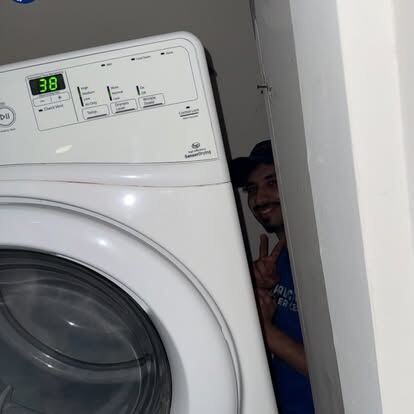 Real AirDuctVet photo
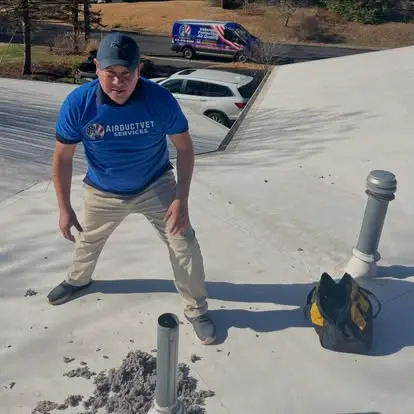 Real AirDuctVet photo
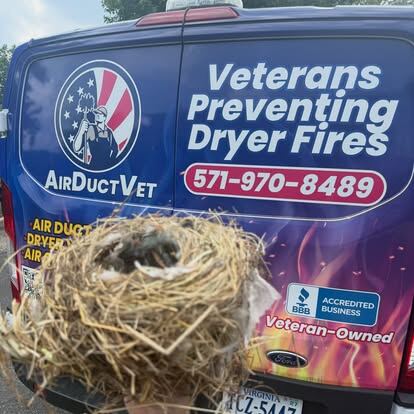 Real AirDuctVet photo
Clear, practical guidance: General education cannot replace an on-site inspection. We separate routine maintenance from conditions that need an HVAC, appliance, chimney, mold, or restoration specialist.
Why should a dryer vent terminate outdoors?
A conventional vented dryer moves heated, moisture-laden air from the drum through an exhaust duct. The U.S. Department of Energy Building America guidance says vented clothes dryers should discharge directly outdoors, except for appliances specifically designed as ventless dryers. That guidance also recommends smooth metal ducting, a short route, an exterior hood with a backdraft damper, and installation according to the manufacturer and local code.
A garage is part of the building, not an outdoor termination. Discharging there can add humidity and lint to the space, leave deposits on stored items and surfaces, and allow exhaust to move toward doors, walls, or other openings. Opening a garage door or window does not convert an indoor outlet into the permanent outdoor route required by the installation instructions.
The concern is especially urgent with a gas dryer because its exhaust includes combustion products. Carbon monoxide is colorless and odorless, so a lack of smell does not establish that the arrangement is safe. Fuel-burning appliance and venting questions should be handled by the appropriate qualified professional, and working carbon-monoxide alarms should be maintained according to their instructions.
- Heat, water vapor and lint should leave the building through the approved outdoor termination.
- A garage door, window, bucket or improvised lint trap is not a substitute for a compliant exterior route.
- The exact dryer manual, duct length, fittings, termination and local requirements all affect an acceptable installation.
- A ventless dryer is a different appliance design and should be installed and drained exactly as its manufacturer requires.
What should I do if the dryer already vents into the garage?
Stop using the dryer until the setup is evaluated. Record the dryer make and model, whether it is gas or electric, the visible connector material, the path you can observe without moving the appliance, and clear photos of the garage outlet. Do not pull out a gas, stacked, recessed, or tightly installed dryer without a safe method approved for the appliance and property.
If you smell gas, hear gas escaping, see smoke or sparks, notice a burning odor, or a carbon-monoxide alarm sounds, leave the affected area and follow the emergency instructions from the gas utility, alarm manufacturer, fire department, or emergency services. Dryer-vent cleaning is not emergency response and does not inspect or repair gas piping, combustion components, wiring, or the dryer interior.
For a rental, condominium, cooperative, or managed property, notify the owner or manager before authorizing penetrations or route changes. The existing outlet may involve shared walls, fire-rated assemblies, a common shaft, exterior appearance rules, or permits that a cleaning visit cannot resolve.
Can I keep using the dryer with the garage door open?
No. An open garage door does not control where lint, humidity, and exhaust travel, and it depends on someone remembering to keep the opening clear for every cycle. Weather, wind, stored items, and the position of the dryer outlet can all change air movement. The installation still lacks the approved outdoor duct and termination specified for the dryer.
Do not add a screen, cloth, household filter, water bucket, or improvised container to catch lint. Such devices can restrict airflow, add moisture indoors, or create a false sense that the discharge has been corrected. Building America guidance specifically warns against devices that remove lint while returning dryer heat and moisture to the home.
Do not connect the dryer to a bathroom fan, kitchen exhaust, chimney, plumbing vent, garage fan, or another appliance vent. The proper solution is an independently evaluated dryer exhaust route designed for the appliance and property.
How should a correct outdoor route be planned?
Start with the installation manual for the exact dryer model. The allowed duct material, diameter, maximum developed length, elbows, transition connector, clearances, and outlet arrangement can vary. Whirlpool installation instructions, for example, require outdoor exhaust and provide model-specific venting limits; local requirements and property approvals can add further conditions.
A qualified contractor should assess whether an exterior wall, roof, or another permitted path can be reached without crossing prohibited assemblies or creating drainage, structural, weatherproofing, or access problems. The route should be as short and direct as practical, use approved smooth metal duct, be supported and sealed appropriately, and end at a suitable outdoor hood whose damper can open freely.
The termination must not be placed where exhaust is likely to be drawn into an opening or HVAC intake, obstructed by landscaping or stored items, or exposed to unsafe service access. Screens are generally avoided on dryer outlets because lint can clog them, but the exact cap and clearances should be selected under the dryer instructions and applicable local rules.
Will cleaning or a camera inspection solve the problem?
No. Cleaning can remove qualifying accessible lint or debris from an approved route, but it cannot turn a garage discharge into an outdoor termination. If the duct must be rerouted, opened, reconstructed, or newly penetrated through a wall or roof, that is a separate installation or repair project.
A Cobra inspection camera may document selected reachable portions of a dryer exhaust duct. It cannot see through every turn or obstruction, verify every concealed joint, certify code compliance, determine fire-resistance details inside an assembly, or replace the dryer manufacturer's instructions and the judgment of the responsible qualified contractor.
If the existing garage outlet is only one part of a longer concealed route, do not assume that extending it is automatically acceptable. The full developed length, fittings, materials, support, access, termination location, and property conditions must be evaluated together.
What does AirDuctVet include and exclude?
For an approved dryer-vent scope, AirDuctVet can review the accessible appliance connection and visible termination, clean qualifying accessible lint or debris through the approved route, document observable conditions, and check airflow within the limits of the service. Safe roof, ladder, attic, condo, and managed-building access must be confirmed before the appointment.
Routine dryer-vent cleaning does not automatically include rerouting or reconstructing the duct, cutting new wall or roof penetrations, appliance diagnostics or repair, dryer disassembly, gas or electrical work, fire-stopping, structural or roofing work, exterior-cap replacement, permits, or code certification. Any additional installation or repair scope must be separately evaluated and approved by the appropriate provider.
Air-duct cleaning is a separate service. Coil cleaning must be specifically requested, separately evaluated, and separately approved. Routine duct service does not automatically include mechanical repair or filter replacement. AirDuctVet does not promise medical improvement, guaranteed energy savings, or a fixed routine cleaning interval.
Frequently asked questions
Can an electric dryer vent into a garage? No. An electric dryer still produces heat, water vapor and lint, and a conventional vented model should discharge outdoors under its installation instructions.
Is a garage considered outdoors if the door is usually open? No. A garage is an enclosed part of the property, and an open door does not provide a permanent approved termination.
Will dryer-vent cleaning fix a garage outlet? No. Cleaning and rerouting are different scopes. The improper termination must be evaluated for correction even if the existing duct also contains lint.
Who should reroute the vent? Use a contractor qualified for the required duct, wall or roof work and familiar with the dryer instructions, local requirements, and property approvals. Confirm the written scope before work begins.
What should I send with a quote request? Send the property location, dryer make and model, fuel type, floor and access, photos of the appliance connection and garage outlet, and any available route or building information. Do not include passwords, alarm codes, or unnecessary personal information.
Sources and further reading
Official guidance informs the general information above. AirDuctVet's included services are defined by your written quote; local requirements and manufacturer instructions may differ.