
Why Is Water Coming Down My Chimney When It Rains?
Water coming down a chimney when it rains can enter at the cap, crown, flashing, masonry, chase cover, liner, or another nearby building detail.
The short answer
Water coming down a chimney when it rains is not a normal condition to ignore. A missing or damaged cap, cracked crown, failed flashing, leaking chase cover, open joint, porous masonry, damaged liner, or nearby roof detail may be letting water in. Stop using a wet fireplace or appliance until the source and any damage are evaluated. Sweeping can remove qualifying accessible soot or debris, but it does not repair a roof, flashing, masonry, liner, cap, chase, or appliance.
Three real AirDuctVet field photos
These authentic AirDuctVet job photos were selected for this topic. We do not use repeated AI artwork or stock photography.
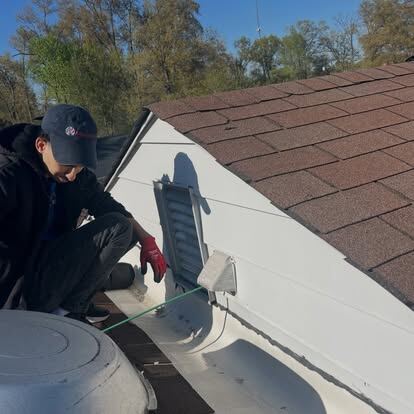 Real AirDuctVet photo
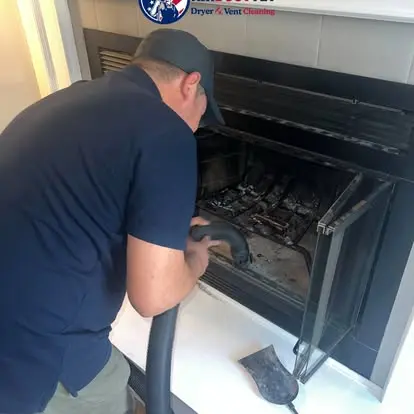 Real AirDuctVet photo
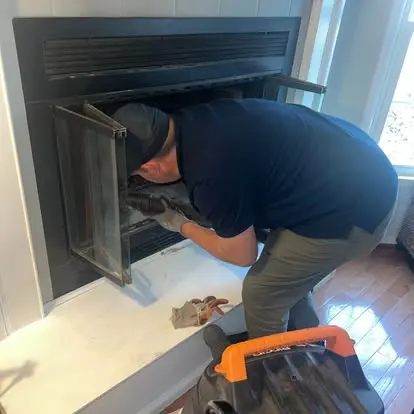 Real AirDuctVet photo
Clear, practical guidance: General education cannot replace an on-site inspection. We separate routine maintenance from conditions that need an HVAC, appliance, chimney, mold, or restoration specialist.
Where can rain enter a chimney?
The visible drip may not be directly below the entry point. Water can travel along a liner, framing, flashing, masonry joint, or chase before reaching the firebox, damper area, ceiling, or wall. That is why the stain location alone cannot identify the failed component.
Common entry points include a missing, loose, corroded, or undersized cap; a cracked or poorly sloped masonry crown; a rusted metal chase cover; failed roof flashing or storm collar; deteriorated mortar; damaged siding or roof details near the chimney; and openings around a liner or vent termination. Condensation can also create moisture, especially in a cold flue or an incorrectly configured appliance, so not every wet spot is direct rainfall.
- Water in the firebox can arrive through the flue opening, a crown or cap defect, or a path outside the liner.
- Ceiling or wall staining near the chimney can involve flashing, roofing, siding, or concealed building materials.
- Rust on a damper, firebox, chase cover, or factory-built fireplace component can indicate recurring moisture.
- White mineral deposits, dark staining, loose mortar, or spalled masonry can support a moisture concern but do not identify the complete path.
- A gas fireplace, insert, or factory-built chimney must also be evaluated against its model-specific installation and service instructions.
Should I use the fireplace after water enters?
Do not light a fire to dry the system or test whether it still drafts. Water can affect liners, dampers, firebox materials, metal joints, insulation, electrical components, gas controls, and concealed framing. Heat & Glo advises that a hearth appliance exposed to water through a flood, hurricane, or leak should not be used until the appropriate dealer evaluates it.
Keep people away from loose masonry, a visibly displaced cap, a sagging ceiling, active electrical leakage, or any area where water is contacting wiring or controls. If there is a strong gas odor, a carbon-monoxide alarm, smoke entry, fire, structural movement, or another immediate hazard, leave the area and contact the appropriate emergency service or utility. A chimney appointment is not emergency response.
Photograph the timing and location of the leak from a safe indoor position. Note wind direction, rainfall intensity, whether the fireplace was in use, and whether the moisture appeared in the firebox, around the chimney, or at an appliance connection. Do not climb onto a wet roof or cover an active chimney with an improvised tarp.
Can a chimney cap stop the leak?
A correctly selected and installed cap can keep direct rain, snow, and debris from entering the open top of a compatible chimney. Napoleon's fireplace guidance identifies the cap as a component that helps keep rain, snow, and animals out. A cap may be part of the solution when it is missing, damaged, loose, or wrong for the system.
A cap cannot repair failed flashing, a cracked crown, porous or damaged masonry, a rusted chase cover, an open siding joint, a liner defect, or a roof leak. Installing a new cap without tracing the water path can leave the actual defect unresolved. Cap selection must also match the fireplace, flue, vent, clearances, listing, and local requirements.
AirDuctVet can review whether an accessible cap appears present and visibly damaged within the approved scope. Cap repair or installation is not automatically included in a sweep and requires a separately approved scope, safe access, and a compatible component. Roofing, flashing, masonry, and structural work may require another qualified trade.
Will chimney sweeping fix rainwater intrusion?
Sweeping removes qualifying accessible soot, creosote, or debris. It may uncover staining, corrosion, nesting material, or a visible obstruction that helps the next diagnosis, but cleaning is not waterproofing and does not promise to stop a leak.
The U.S. Fire Administration recommends having chimneys cleaned and inspected by a professional, and CPSC guidance calls for checking fireplace flues and chimneys for leakage and blockage. Those safety checks do not convert routine cleaning into roof repair, masonry restoration, liner repair, appliance service, or a water-intrusion guarantee.
If moisture has damaged a liner, damper, firebox, factory-built component, gas appliance, electrical part, framing, drywall, or insulation, the affected system may need evaluation and repair before use. Repeatedly sweeping a wet chimney without correcting the entry path can allow the condition to continue.
What can a camera assessment confirm?
A camera may document selected reachable areas of the flue, including visible water tracks, staining, corrosion, gaps, deposits, debris, or damage. It cannot see behind masonry or flashing, prove where every drop entered, test the roof under all wind conditions, or verify concealed framing and clearances.
A routine camera look is not automatically a complete NFPA 211 Level 2 chimney inspection. A Level 2 inspection has a defined scope and may be appropriate after certain changes, damage events, property transfers, chimney fires, relining, or other conditions identified by the applicable standard or professional assessment. The inspection level, access, and deliverables must be requested and approved in writing.
Water-intrusion diagnosis may require more than one trade. A chimney professional can review the venting system, while a roofer, mason, fireplace dealer, HVAC contractor, restoration specialist, or structural professional may need to evaluate other components.
What is included and excluded from AirDuctVet service?
For an approved chimney scope, AirDuctVet can clean qualifying accessible deposits, review accessible components, document observable conditions, and explain findings within the written work. Leak testing, roof or flashing repair, masonry or crown restoration, liner or damper repair, chase-cover fabrication, waterproofing, mold remediation, gas or electrical work, appliance repair, structural correction, and code certification are not automatically included.
Cap work, additional inspection, or another repair must be separately evaluated and approved before it begins. Unsafe roof access, active weather, suspected structural damage, concealed defects, protected wildlife, or a wet appliance can change or pause the service plan.
Air-duct cleaning is a separate service. Coil cleaning must be specifically requested, separately evaluated, and approved. Routine duct service does not automatically include mechanical repair or filter replacement. Every additional item must appear in the written scope before work starts.
Frequently asked questions
Why is water dripping into my fireplace only during heavy rain? Wind-driven rain can reach a cap, crown, flashing, chase cover, vent joint, or nearby roof detail differently than light rain. The weather pattern is useful evidence, but inspection is still needed to locate the path.
Does water in the firebox mean I only need a chimney cap? No. A missing or damaged cap is one possibility, but flashing, crown, masonry, chase, liner, roof, or appliance conditions can produce a similar symptom.
Can I seal the chimney myself? Do not apply an unknown sealant or block a flue or vent. The material and repair must be compatible with the chimney or listed appliance, and an incorrect seal can trap moisture, interfere with venting, or hide damage.
Will chimney waterproofing fix every leak? No. A water-repellent treatment cannot replace damaged flashing, a failed crown or chase cover, an open joint, broken masonry, an appliance repair, or another required correction. The entry path must be identified first.
Can AirDuctVet provide a Level 2 inspection with every sweep? No. A routine sweep or camera assessment is not automatically a Level 2 inspection. Confirm the required inspection level, access, documentation, and approved scope before service.
Sources and further reading
Official guidance informs the general information above. AirDuctVet's included services are defined by your written quote; local requirements and manufacturer instructions may differ.