
Why Does My Fireplace Smoke Into the Room?
Fireplace smoke entering the room can signal a damper, draft, fuel, blockage, creosote, pressure, or chimney-system problem that needs evaluation.
The short answer
Smoke entering the room is not normal. Stop using the fireplace if smoke continues, a carbon-monoxide alarm sounds, or the cause is uncertain. A closed or partly closed damper, cold flue, wet wood, house depressurization, blockage, creosote, damaged components, or a chimney-design problem can interfere with draft. Sweeping may remove qualifying accessible buildup or debris, but it cannot correct every draft, liner, masonry, cap, appliance, or construction problem.
Three real AirDuctVet field photos
These authentic AirDuctVet job photos were selected for this topic. We do not use repeated AI artwork or stock photography.
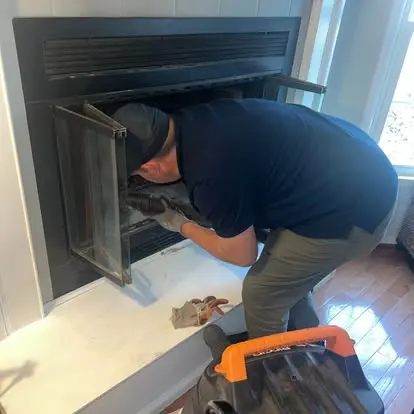 Real AirDuctVet photo
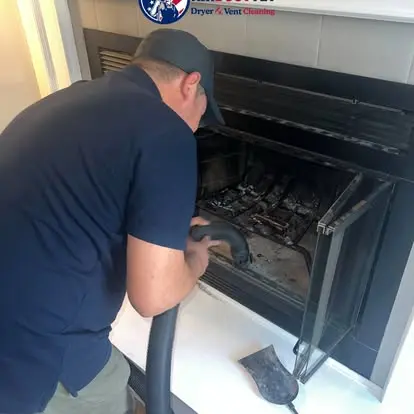 Real AirDuctVet photo
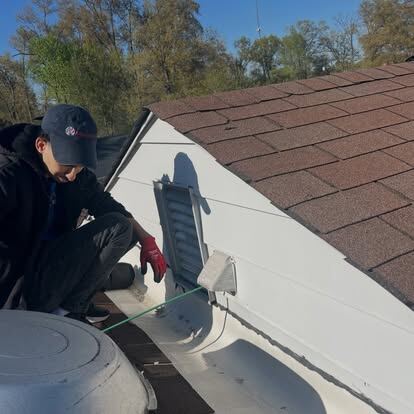 Real AirDuctVet photo
Clear, practical guidance: General education cannot replace an on-site inspection. We separate routine maintenance from conditions that need an HVAC, appliance, chimney, mold, or restoration specialist.
Is it normal for a fireplace to smoke into the room?
No. A wood-burning fireplace should move combustion products up the flue when it is correctly installed, supplied with adequate combustion air, operated with suitable fuel, and functioning as intended. The EPA says a properly installed and correctly used wood-burning appliance should generate very little smoke; regularly seeing or smelling smoke indicates a problem that deserves attention.
Smoke may spill briefly while a very cold flue begins to warm, but repeated or continuing smoke entry should not be treated as routine. Carbon monoxide is colorless and odorless, so the absence of a strong smell does not prove that the room is safe. Leave the area and follow alarm, fire-department, or utility guidance if an alarm sounds or anyone develops possible exposure symptoms.
What can make fireplace smoke come back inside?
Draft depends on the fire, flue temperature, chimney height and condition, fuel, available replacement air, weather, and pressure inside the house. More than one condition may be present, so smoke entry should not be blamed on creosote without evidence.
CPSC explains that combustion gases and particles can back-draft into living space when an appliance is not properly vented or does not receive enough supply air. Tight construction, kitchen or bath exhaust fans, clothes dryers, and some HVAC conditions can increase negative pressure. Those pressure effects do not rule out a blockage, damage, or installation defect.
- A damper that is closed, partly open, stuck, damaged, or incorrectly positioned.
- A cold flue, weak draft, adverse wind, or a chimney that is too short for the building and surroundings.
- Wet or unseasoned wood, an oversized fire, or burning material not approved for the fireplace.
- Creosote, soot, fallen masonry, leaves, nesting material, or another obstruction in the flue or cap.
- Exhaust fans, dryers, tight construction, or HVAC operation creating negative pressure in the room.
- A damaged liner, smoke chamber, throat, cap, crown, connector, insert, or other chimney component.
What should I check before using the fireplace again?
Do not keep relighting a smoky fireplace to test it. Confirm that the correct damper is fully open before lighting a fire and remains open until the fire and embers are completely out, following the fireplace or insert instructions. CPSC specifically advises opening the damper before lighting and keeping it open until the ashes are cool.
Use only the fuel approved for the appliance. For wood-burning systems, the EPA recommends dry, seasoned wood and notes that persistent smoke after using dry wood and establishing an open damper can indicate a fireplace or chimney problem. Do not burn trash, treated wood, or charcoal in a fireplace, and do not improvise a fan, grate, cap, or flue modification as a draft fix.
Check smoke and carbon-monoxide alarms according to their manufacturer instructions. If smoke is entering the room now, an alarm sounds, there is a chimney fire, flames or sparks are visible where they should not be, or the home is filling with smoke, get everyone to safety and contact emergency services. A maintenance appointment is not emergency response.
Can chimney sweeping stop smoke from entering the room?
Sweeping may improve draft when qualifying accessible creosote, soot, nest material, or other removable debris is narrowing or blocking the flue. It can also expose observable conditions that were hidden by buildup. Cleaning does not guarantee that a smoky fireplace will draft correctly afterward.
A sweep will not by itself correct a damaged or improperly sized liner, failed damper, incorrect throat or smoke-chamber geometry, inadequate chimney height, air-pressure imbalance, masonry defect, roof interaction, appliance problem, or an installation that does not meet the applicable requirements. Those conditions may require a qualified chimney, masonry, HVAC, appliance, roofing, or building professional under a separate scope.
A fireplace that still smokes after accessible buildup is removed needs diagnosis rather than repeated cleaning. Operating conditions, weather, fuel, pressure, visible components, and the concealed system should be reconciled before the fireplace returns to service.
What can a camera assessment confirm?
A camera may help document selected reachable parts of a flue, including visible deposits, debris, joints, gaps, staining, or damage. It cannot always pass an obstruction, see behind a liner, verify every concealed clearance, test pressure under all operating conditions, or certify the full chimney system.
A routine camera assessment is not automatically a complete NFPA 211 Level 2 chimney inspection. A Level 2 inspection has a defined scope and may be appropriate after a chimney fire, property transfer, appliance or fuel change, relining, system modification, or other event specified by the applicable standard or professional assessment. The requested inspection level and deliverables must be confirmed in writing.
What is included and excluded from AirDuctVet service?
For an approved chimney-sweep scope, AirDuctVet can clean qualifying accessible deposits, review accessible components, document observable conditions, and explain findings within the written work. Draft engineering, smoke testing, Level 2 or Level 3 inspection, liner or damper repair, masonry or flashing work, cap installation, gas or electrical work, appliance repair, structural correction, and code certification are not automatically included and may require a separately approved service or another qualified trade.
Chimney sweeping is not mold remediation and does not guarantee that odor, smoke entry, or moisture will stop. Active animals, protected birds, heavy glaze, fire damage, unsafe roof access, concealed defects, or suspected structural problems can require a different plan before work proceeds.
Air-duct cleaning is a separate service. Coil cleaning must be specifically requested, separately evaluated, and approved. Routine duct service does not automatically include mechanical repair or filter replacement. Every additional item must appear in the written scope before work begins.
Frequently asked questions
Why does my fireplace smoke when I first light it? A cold flue can delay upward draft, but repeated spillback can also involve the damper, fuel, pressure, blockage, damage, or chimney design. Stop if smoke continues rather than repeatedly testing the fireplace.
Can an exhaust fan make a fireplace smoke? Yes. Kitchen fans, bath fans, dryers, and other exhaust equipment can depressurize a tight home and compete with chimney draft. The full system still needs evaluation because pressure may not be the only cause.
Will opening a window fix fireplace smoke? A nearby window may change pressure and help identify an air-supply issue, but it is not proof of a safe or permanent repair. Do not rely on an open window to operate a fireplace with an unresolved drafting problem.
Does smoke in the room mean the chimney is blocked? A blockage is one possibility, but smoke can also result from the damper, wet wood, cold flue, negative pressure, wind, damage, appliance setup, or chimney design. Inspection is needed before choosing the fix.
Can AirDuctVet provide a Level 2 inspection during every sweep? No. A routine sweep or camera look is not automatically a Level 2 inspection. The required inspection level, access, documentation, and approved scope must be confirmed before service.
Sources and further reading
Official guidance informs the general information above. AirDuctVet's included services are defined by your written quote; local requirements and manufacturer instructions may differ.