
Dryer Vent Fire Statistics: What Homeowners Should Know
Roughly 32% of dryer-related house fires are caused by clogged dryer vents, according to the U.S. Fire Administration. Dryer fires account for about 2,900 residential fires every year in the United States, and failure…
Three real AirDuctVet field photos
These authentic AirDuctVet job photos were selected for this topic. We do not use repeated AI artwork or stock photography.
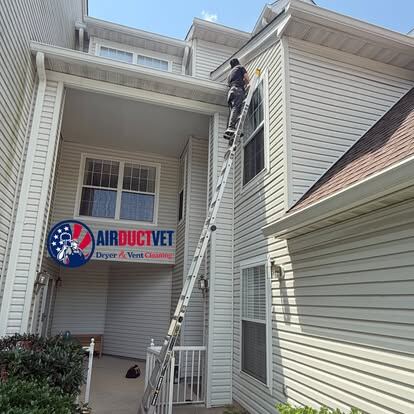 Real AirDuctVet photo
 Real AirDuctVet photo
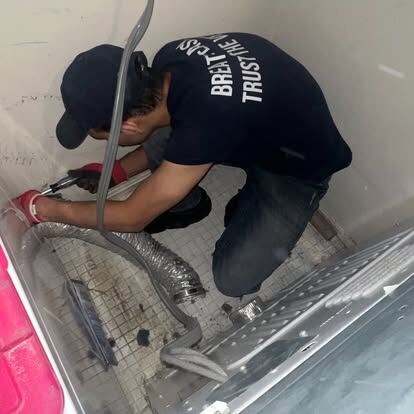 Real AirDuctVet photo
Clear, practical guidance: General education cannot replace an on-site inspection. We separate routine maintenance from conditions that need an HVAC, appliance, chimney, mold, or restoration specialist.
Yes. Lint is highly combustible, and restricted airflow forces dryers to run hotter. When duct temperatures reach lint’s ignition point, combustion can occur within minutes.
How do I know if my dryer vent is a fire hazard?
Damp clothes after full cycles, a hot dryer exterior, burning smells, and visible lint around the outdoor vent hood all signal dangerous airflow restriction needing immediate attention.
Does cleaning the lint trap prevent dryer fires?
No. The lint trap captures only surface lint. Most accumulation builds deeper in the duct, requiring professional cleaning to fully eliminate fire risk.
How often should dryer vents be professionally cleaned?
Once a year for most homes. Households with pets, large families, or vent runs over 25 feet should schedule cleaning every six months.