
Dryer Vent Lint: Airflow, Heat and Fire Safety Risks
Dryer vent lint can restrict airflow and hold heat. Learn the warning signs and how AirDuctVet checks the connection, route, exterior cap, and airflow.
The short answer
The clearest concerns with dryer vent lint are restricted exhaust, longer drying cycles, excess heat, and added fire-safety risk. A lint screen captures only part of the material produced during drying. Fine lint can continue into the vent route and collect at bends, joints, damaged sections, or a restrictive exterior cap.
Three real AirDuctVet field photos
These authentic AirDuctVet job photos were selected for this topic. We do not use repeated AI artwork or stock photography.
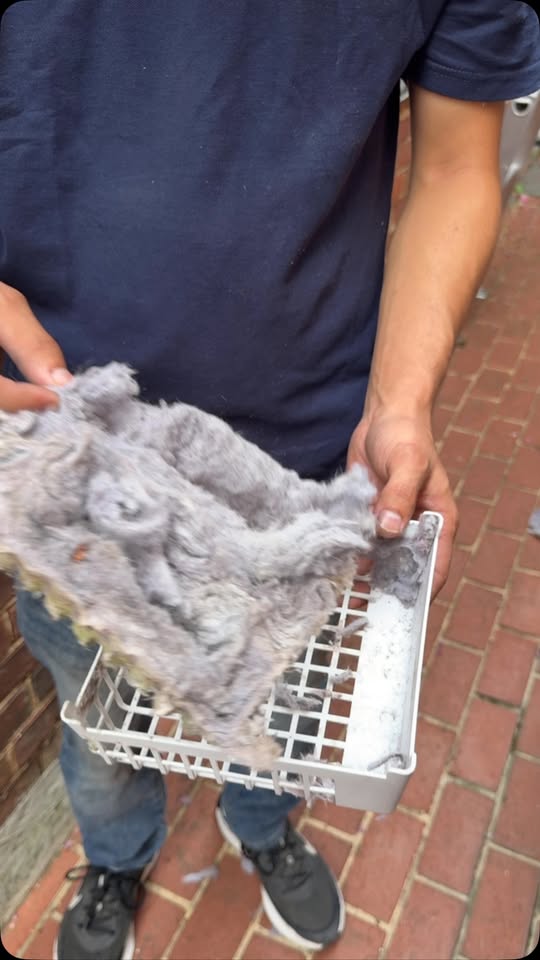 Real AirDuctVet photo
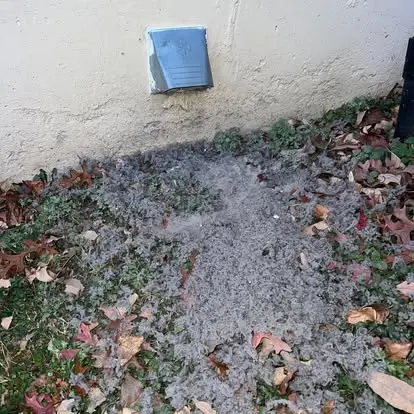 Real AirDuctVet photo
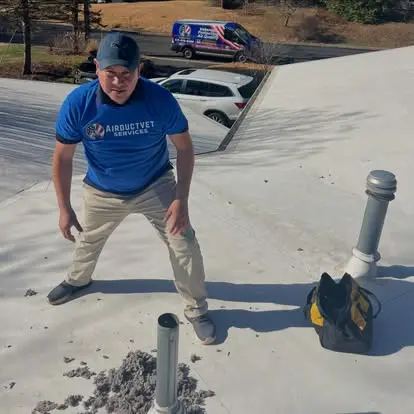 Real AirDuctVet photo
Clear, practical guidance: General education cannot replace an on-site inspection. We separate routine maintenance from conditions that need an HVAC, appliance, chimney, mold, or restoration specialist.
What lint buildup changes
A dryer depends on an open exhaust route to move warm, moist air outside. When lint reduces that route, clothes may need more than one normal cycle, the appliance or laundry area may feel unusually hot, and the exterior damper may move weakly. Those signs support an inspection, but they do not identify the cause by themselves.
A crushed transition hose, closed damper, long route, excessive bends, booster-fan problem, damaged duct, or appliance fault can produce similar symptoms. Cleaning is not a substitute for appliance repair or duct reconstruction when one of those conditions is responsible.
What AirDuctVet checks during service
The process begins with the accessible exterior cap and the interior dryer connection. For a qualifying route, the crew uses a rotating brush with simultaneous vacuum extraction to remove accessible lint through the end-to-end path, then checks airflow and assesses the cap and backdraft damper.
Wall, roof, high-access, and unusually long routes are reviewed before service. Qualifying high-wall or roof access may be evaluated up to 40 feet, but safe access and the building layout determine whether the route can be serviced normally.
Warning signs worth reporting
Stop using the appliance and seek appropriate help if you notice smoke, sparks, or a burning odor. For less urgent concerns, document repeated long cycles, excess heat, a lint warning, moisture that is not exhausting, or an exterior damper that does not open normally.
- Clothes remain damp after a normal load and cycle.
- The dryer cabinet or laundry room feels unusually hot.
- Lint collects around the interior connection or exterior outlet.
- Airflow at the termination appears weak while the dryer runs.
A cleaning reduces buildup, not every risk
Professional cleaning can remove accessible lint and help confirm the condition of the route at the time of service. It cannot guarantee that a dryer fire will never occur, correct unsafe wiring, repair an appliance, or prevent future lint from forming. Continue cleaning the lint screen and following the dryer manufacturer's maintenance instructions.