
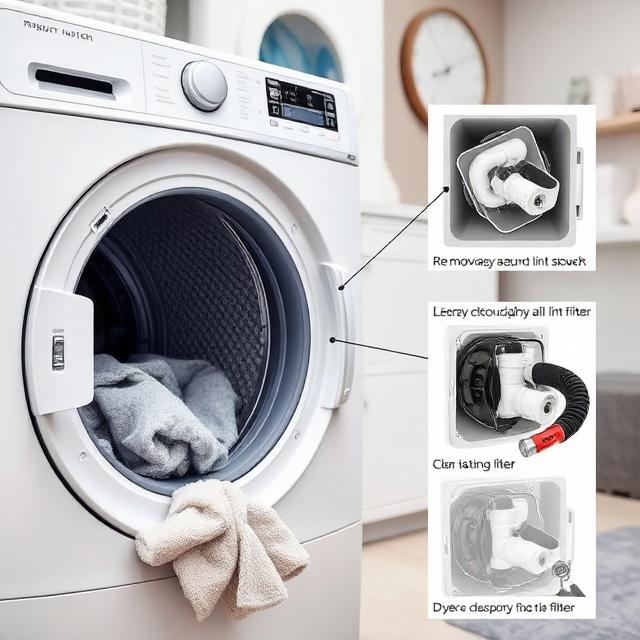
Your lint trap is not catching lint because airflow inside your dryer is restricted, the screen has hidden gaps or damage, or lint is bypassing the filter and settling deeper in the dryer vent system. When airflow drops, lint floats past the trap instead of pressing into the mesh. In Alexandria, VA homes with older vent lines, this is a common warning sign that the full venting system needs attention, not just the lint screen.
The Real Reason Your Lint Trap Misses Lint
A lint trap only works when air moves through it with enough force. If the dryer vent is partially blocked, airflow slows, and lint drifts past the screen instead of catching on it. Damaged mesh, improper seating, or buildup behind the filter housing creates the same result. The lint trap is a symptom, not the source.
How a Lint Trap Is Designed to Work
The lint screen sits in the airflow path between the drum and the exhaust duct. Hot, moist air carries loose fibers from clothing toward the vent. As that air passes through the fine mesh, lint pressed against the screen by airflow pressure. When the system is healthy, most lint collects there. When airflow weakens, the screen cannot trap what no longer reaches it with enough force.
Signs Lint Is Escaping Past the Screen
Watch for lint collecting around the dryer door seal, behind the appliance, or inside the drum after a cycle. Longer drying times, a hot exterior cabinet, and a burning smell are stronger indicators. You may also notice lint particles near the exterior vent hood. Each sign points to airflow restriction somewhere downstream of the trap, often deep inside the dryer vent line.
Recognizing these patterns is the first step. The deeper question is what is causing the restriction, and that points to warning signs of a clogged dryer vent that often go unnoticed for months.
Common Causes Behind a Failing Lint Trap
Several issues reduce airflow enough to let lint bypass the screen. A torn or warped mesh allows fibers to pass through directly. A loose-fitting trap creates side gaps where lint sneaks past. Excessive dryer sheet residue coats the screen and blocks the airflow needed to capture lint. Most often, however, the problem starts further down the vent line, where accumulated lint compresses against duct walls and chokes the entire system.
When Lint Buildup Inside the Dryer Vent
Lint that escapes the trap settles inside the dryer vent duct, blower housing, and transition hose. Over time, this buildup hardens, narrows the duct diameter, and raises internal temperatures. Once airflow drops below the threshold the trap needs, the cycle worsens itself. At this stage, homeowners in older Alexandria properties often benefit from professional dryer vent cleaning in Alexandria to restore safe operation.
How to Fix and Prevent the Problem
Start by inspecting the lint screen for tears, warping, or residue buildup. Wash it with warm water and mild soap every few months to remove fabric softener film. Confirm the trap seats fully into its housing without gaps. Then check the exterior vent hood for visible lint and weak airflow. If drying times remain long or lint keeps appearing in the wrong places, the vent line itself needs cleaning. Annual professional inspection prevents fire risk, lowers energy bills, and restores the lint trap’s ability to do its job.
Conclusion
A lint trap that misses lint almost always signals a broader airflow problem inside the dryer vent system, not a simple screen issue.
For homeowners, landlords, and property managers in Alexandria, addressing the root cause early protects appliance lifespan, energy efficiency, and home safety.
We at AirDuctVet Dryer & Vent Cleaning Services deliver transparent inspections and thorough cleanings. Schedule your service today and breathe easier tomorrow.
Frequently Asked Questions
Can a damaged lint screen cause lint to bypass the trap?
Yes. Tears, warping, or a loose-fitting screen allow lint to slip past the mesh and settle inside the dryer or vent duct.
Does fabric softener affect how well a lint trap works?
Yes. Dryer sheet residue coats the screen, restricts airflow, and prevents lint from pressing into the mesh as it should.
How often should I clean my dryer vent line?
Most homes benefit from a professional dryer vent cleaning every twelve months, or sooner if drying times noticeably increase.
Is a failing lint trap a fire hazard?
Yes. Lint bypassing the trap accumulates in hot duct sections, raising fire risk and reducing dryer efficiency over time.
Why is lint appearing inside my dryer drum?
Lint inside the drum usually means airflow is too weak to carry it through the screen, pointing to a blocked vent line.


Great content! Keep up the good work!