
Mold in Air Conditioning: Signs, Causes, and Solutions
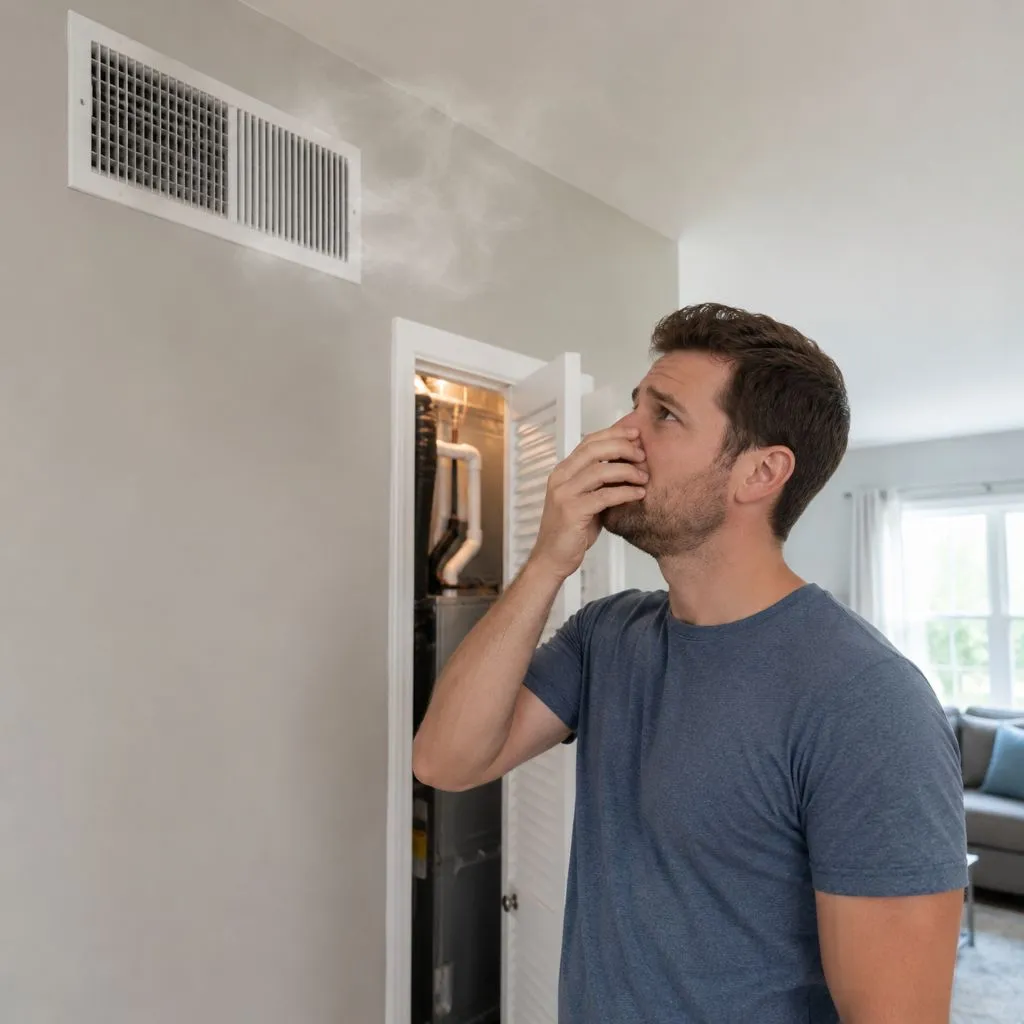
our AC system is supposed to make your home more comfortable, not less healthy. But because it’s constantly pulling moisture out of the air and pushing air through dark, enclosed spaces, it’s actually one of the more common places mold can quietly take hold without anyone noticing right away. Mold in air conditioning systems is more common than most homeowners realize, and catching it early makes a real difference in both your system’s performance and your indoor air quality.
This article walks through five warning signs that point to mold in air conditioning components, what typically causes it, and what to do once you spot it.
Why Mold in Air Conditioning Systems Is So Common
Think about what your AC actually does all day. It cools warm air, which means condensation forms constantly on the evaporator coil. That moisture drips into a drain pan and flows out through a condensate line. Every part of that process involves water sitting somewhere dark and enclosed, exactly the environment mold needs to grow.
Add in a clogged filter, a slow drain line, or ductwork that’s not properly sealed, and you’ve got several potential starting points for mold in air conditioning systems to develop. It’s not a sign of a poorly built system, it’s just a natural byproduct of how cooling and dehumidifying air works, which is why regular maintenance matters so much
Sign 1: A Persistent Musty or Earthy Smell
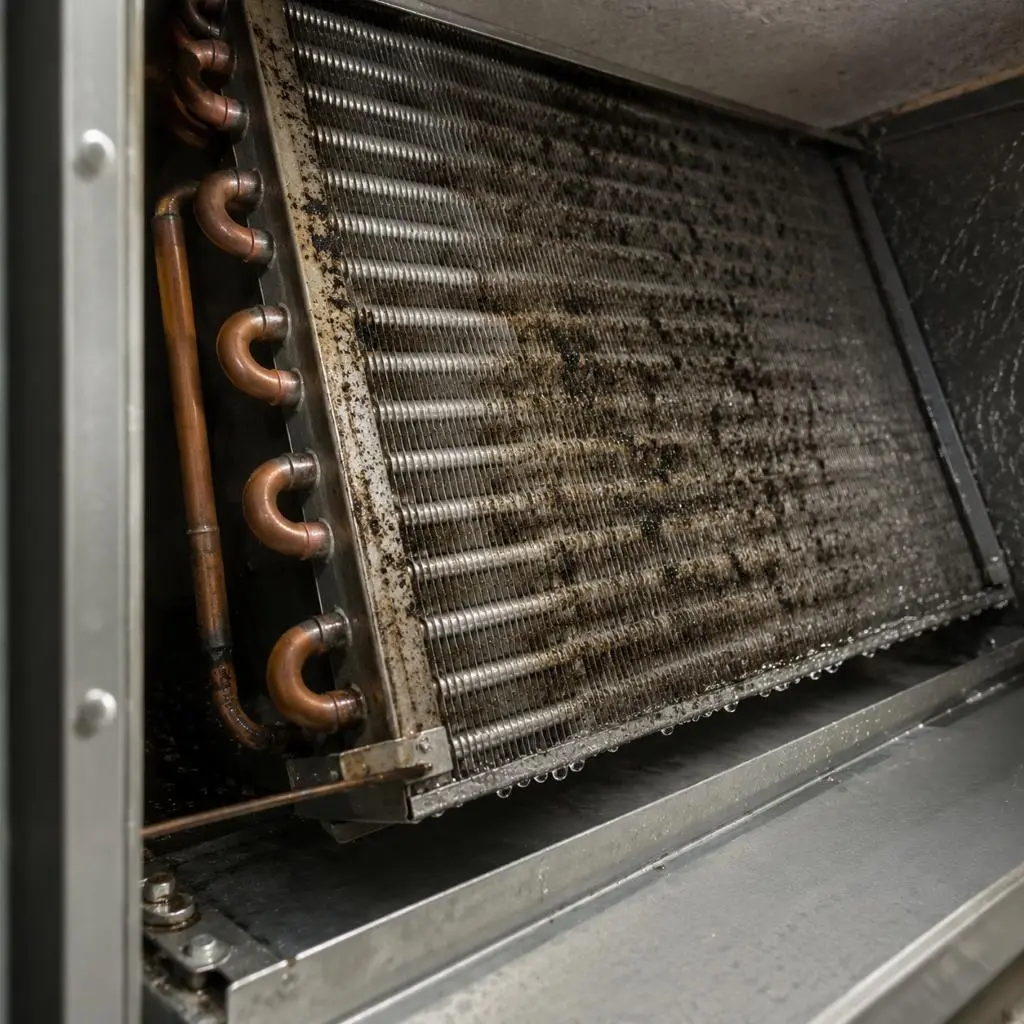
This is usually the first clue people notice. A musty, damp, earthy smell when your AC kicks on is one of the clearest indicators of mold in air conditioning components, particularly the evaporator coil or drain pan. The smell often gets stronger right when the system starts and can fade slightly once air has been circulating for a while.
What This Smell Usually Means
If the smell is consistent and doesn’t go away after changing your filter, it’s a strong sign mold has established itself somewhere inside the system rather than just being a temporary issue with stale air.
Sign 2: Visible Spots Near Vents or the Indoor Unit
Sometimes this kind of growth is visible without any special equipment. Dark spots or a fuzzy texture around vent covers, on the indoor unit’s housing, or near the drain pan access point are all signs worth taking seriously. Mold can also appear on ceiling tiles or drywall near vents if moisture has been escaping into the surrounding area.
Where to Look
Check vent covers throughout the house, especially in rooms that feel more humid than others, and take a look at the visible parts of your indoor air handler if you can access it safely.
Sign 3: Increased Allergy or Respiratory Symptoms at Home
If household members are dealing with more sneezing, coughing, itchy eyes, or general allergy symptoms specifically while at home, and those symptoms ease up when they’re elsewhere, that pattern is a common indicator of mold in air conditioning systems circulating spores through your air supply. This is especially worth paying attention to in households with kids, older adults, or anyone with asthma.
Why This Happens
Every time your HVAC system runs, it pushes whatever’s inside it, including mold spores, into every room connected to that ductwork. Symptoms that track closely with time spent at home rather than a seasonal pattern point toward an indoor source rather than outdoor allergens.
Sign 4: Visible Moisture or Water Stains Near the System
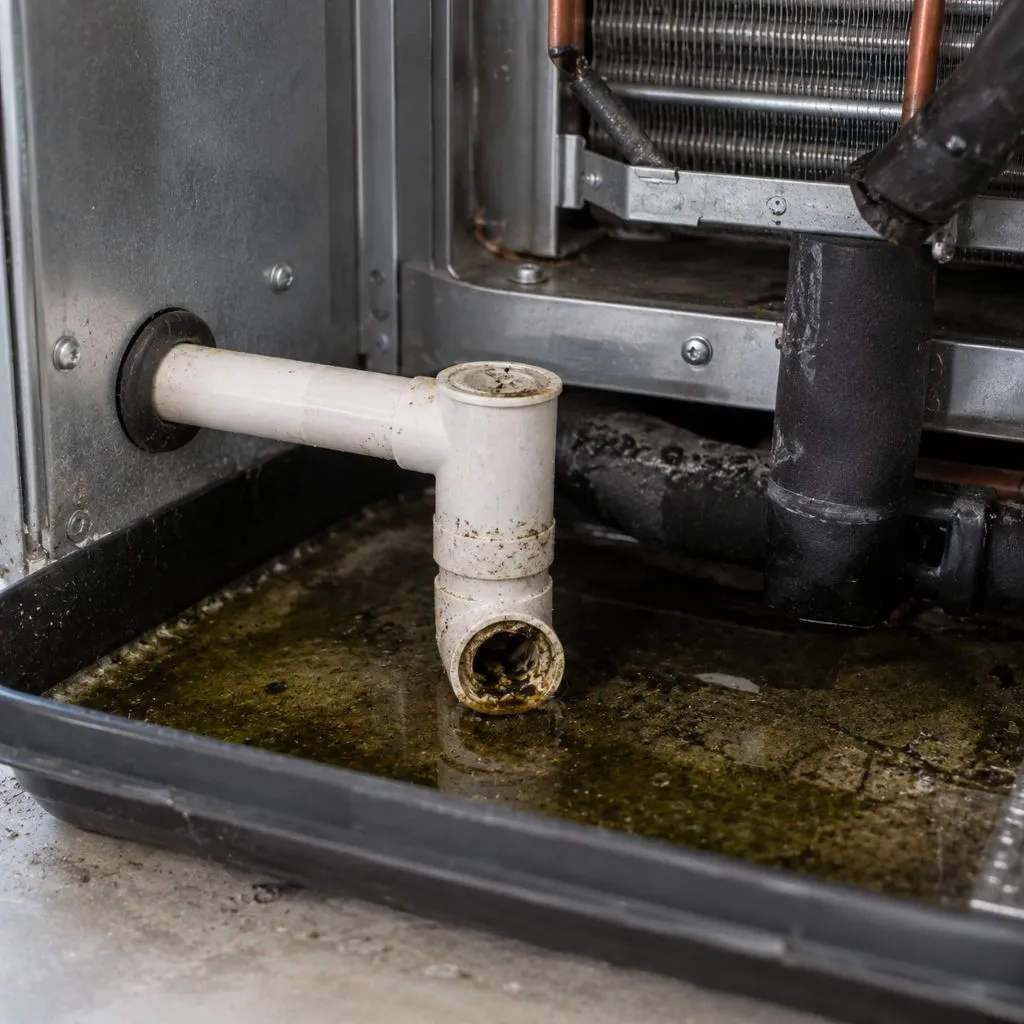
Standing water in the drain pan, water stains on the ceiling below an attic mounted unit, or dampness around the indoor air handler are all signs that moisture is building up somewhere it shouldn’t be, which creates ideal conditions for growth to spread beyond just the coil itself. Left unaddressed, this kind of moisture problem tends to get worse rather than better over time.
Don’t Wait on This One
Visible water is one of the more urgent signs on this list, since it often means a clogged drain line or a failing drain pan that needs attention before mold spreads further into the ductwork or surrounding structure.
Sign 5: Reduced Airflow or System Performance
Mold growth inside coils or ductwork can physically restrict airflow, making your system work harder to cool your home and sometimes leading to weaker airflow from vents throughout the house. If you’ve noticed your system running longer than it used to, or certain rooms not cooling as well as they once did, mold growth in ductwork or coils could be a contributing factor alongside more obvious causes like a dirty filter.
How This Connects to the Other Signs
This sign often shows up alongside one or more of the others, a musty smell paired with weaker airflow, or visible spots combined with rooms that feel warmer than expected, which makes it a good final confirmation rather than a standalone symptom to rely on by itself.
What Causes Mold in Air Conditioning Systems
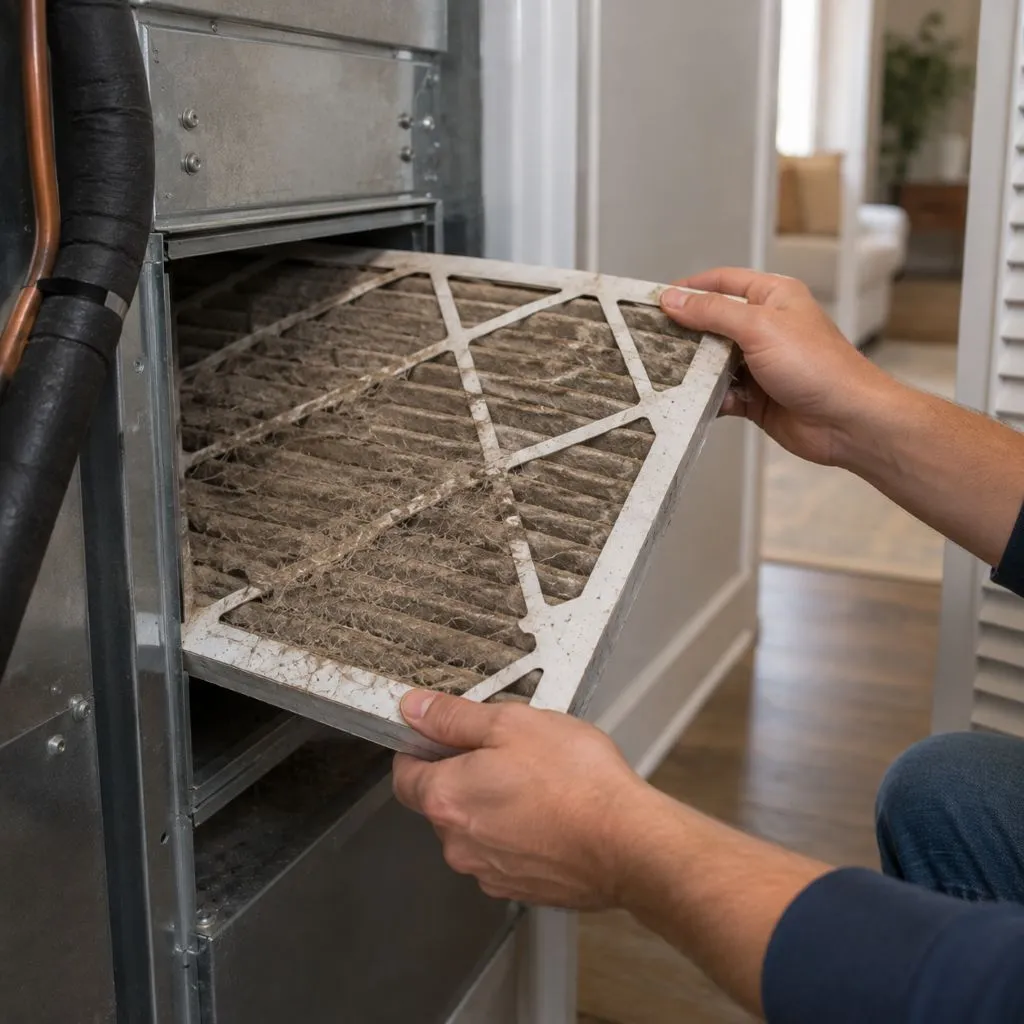
A few common culprits show up again and again. A clogged condensate drain line lets water sit and stagnate. A dirty or overdue filter restricts airflow and traps moisture. Ductwork that isn’t properly sealed can let humid air condense inside it. And an evaporator coil that isn’t drying out fully between cycles gives mold a steady, damp surface to grow on. Most cases of mold in air conditioning systems trace back to one or a combination of these four issues.
Why This Is a Bigger Concern in Humid Climates Like North Carolina
North Carolina‘s long, humid cooling season means AC systems in the Raleigh and Triangle area work harder and longer than systems in drier climates, producing more condensation and giving mold more opportunities to establish itself. Homes here often deal with mold in air conditioning systems more frequently than homes in arid regions, simply because there’s more moisture moving through the system for a larger part of the year.
If you’re in this region, a slightly more proactive maintenance schedule, checking filters monthly and having coils and drain lines professionally inspected each spring, goes a long way toward catching mold before it becomes a bigger, more expensive problem.
What to Do If You Suspect Mold in Your System
If you’re noticing one or more of these five signs, start with what you can safely check yourself, your filter and the visible parts of your drain line and vents. Beyond that, mold in air conditioning components like the evaporator coil or hidden ductwork isn’t something most homeowners can safely clean themselves, since improper cleaning can spread spores further through the system rather than removing them.
Why This Is a Bigger Concern in Humid Climates Like North Carolina
North Carolina’s long, humid cooling season means AC systems in the Raleigh and Triangle area work harder and longer than systems in drier climates, producing more condensation and giving mold more opportunities to establish itself. Homes here often deal with mold in air conditioning systems more frequently than homes in arid regions, simply because there’s more moisture moving through the system for a larger part of the year.
If you’re in this region, a slightly more proactive maintenance schedule, checking filters monthly and having coils and drain lines professionally inspected each spring, goes a long way toward catching mold before it becomes a bigger, more expensive problem.
What to Do If You Suspect Mold in Your System
If you’re noticing one or more of these five signs, start with what you can safely check yourself, your filter and the visible parts of your drain line and vents. Beyond that, mold in air conditioning components like the evaporator coil or hidden ductwork isn’t something most homeowners can safely clean themselves, since improper cleaning can spread spores further through the system rather than removing them.
Conclusion
Mold in air conditioning systems is a common problem, but it’s rarely a mystery once you know what to look for. A persistent musty smell, visible spots near vents, allergy symptoms that flare up at home, standing water or stains near the unit, and reduced airflow are the five clearest signs something’s growing where it shouldn’t be. Most cases trace back to a clogged drain line, an overdue filter, unsealed ductwork, or a coil that isn’t drying out properly, all of which are manageable with the right maintenance.
If you’re noticing any of these signs in your own home, it’s worth having a professional take a closer look before the problem affects your indoor air quality any further. AirDuctVet is veteran-owned and BBB-accredited, with a flat-rate, no-upsell approach to every job, no hidden fees, no pressure to add on services you don’t need, just a thorough inspection and cleaning that gets to the actual source of the problem. Schedule your air duct and HVAC inspection today and get ahead of mold before it spreads any further through your system.
FAQ Section
Common signs include a persistent musty smell, visible dark spots near vents or the indoor unit, allergy symptoms that worsen at home, standing water or stains near the system, and reduced airflow or cooling performance.
It can contribute to allergy symptoms, respiratory irritation, and worse asthma control in sensitive individuals, since mold spores circulate through the air your system pushes into every room.
The most common causes are a clogged condensate drain line, a dirty or overdue filter, improperly sealed ductwork, and an evaporator coil that isn't drying out fully between cooling cycles.
It's generally not recommended, since the coil is a delicate component and improper cleaning can spread mold spores further through the system rather than removing them safely.
Yes. Humid climates like North Carolina mean AC systems run longer and produce more condensation, giving mold more opportunities to develop compared to drier regions.
Checking your filter monthly and having coils and drain lines professionally inspected each spring, before cooling season ramps up, helps catch mold related issues early.
A musty smell often shows up before mold becomes visible, since it can indicate early growth inside the coil or drain pan before spots or discoloration are noticeable near vents or the unit itself.

