
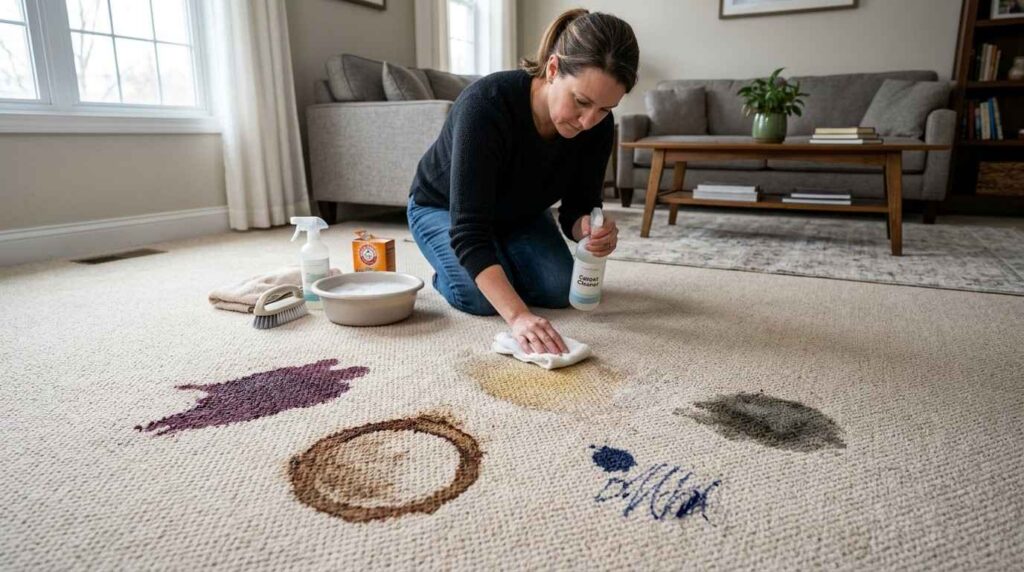
Yes, steam cleaning genuinely cleans carpets when performed correctly. The method uses pressurized hot water and cleaning solution to loosen embedded dirt, then extracts moisture along with debris, allergens, and bacteria. Professional steam cleaning, technically called hot water extraction, reaches deeper than vacuuming alone and removes contaminants that surface methods leave behind. For homeowners in Alexandria, VA evaluating carpet care options, understanding what steam cleaning actually accomplishes helps you set realistic expectations and choose a service that delivers real value rather than surface results.
How Steam Cleaning Actually Works on Carpets
Steam cleaning injects hot water mixed with detergent deep into carpet fibers under pressure, then extracts the solution along with dissolved dirt, dust mites, pollen, and bacteria. The high temperature softens residues, sanitizes fibers, and lifts debris that vacuuming cannot reach, leaving carpets visibly cleaner and hygienically refreshed.
The hot water extraction process
Technically, “steam cleaning” describes hot water extraction. A truck-mounted or portable machine heats water to roughly 200°F, sprays it into the carpet pile with detergent, and immediately vacuums the slurry back into a waste tank. The pressure forces solution past the surface and into the lower pile, where the heaviest contamination accumulates. This loosens oils, traps fine particles in suspension, and removes them in one pass. Most residential carpets handle this method safely when the technician controls dwell time, water pressure, vacuum strength, and drying conditions. Skipping any one of those variables leaves carpets overly wet or only partially cleaned.
What steam cleaning removes
Hot water extraction lifts ground-in soil, pet dander, dust mites, pollen, bacteria, and many common allergens trapped at the base of the pile. It also reaches stains that surface cleaners only smear across the fibers. Vacuuming removes roughly the top layer of debris, while steam cleaning reaches the bottom. That difference matters most in homes with children, pets, or allergy sufferers, where contaminants settle into padding and quietly affect breathing comfort. A thorough extraction brightens fibers, restores texture, and reduces the microscopic load routine maintenance leaves behind.
Knowing how the method works is one part of the answer. How carpet cleaning supports indoor air quality depends on the home environment, contamination depth, and the technician’s process control.
When Steam Cleaning Delivers the Best Results
Steam cleaning works best on synthetic carpets like nylon and polyester, on moderately soiled fibers, and in homes with allergy concerns. Wool, sisal, and some natural blends need lower temperatures and faster drying. Heavily contaminated carpets, mold-affected padding, or carpets glued directly to subflooring may need alternative treatment or replacement instead.
Carpet type, condition, and contamination level
Three variables shape the outcome: fiber type, contamination depth, and access. Newer synthetic carpets respond quickly to extraction and dry without issue. Older, oversaturated carpets release dirt slowly and may need a second pass for full results. Pet odors trapped in padding often require enzyme pretreatment alongside extraction to neutralize the odor source rather than masking it. Drying time also matters. Carpets dried within 6 to 12 hours resist mildew and re-soiling. Slow drying creates the musty smell people wrongly blame on steam cleaning itself. A skilled technician adjusts water volume, vacuum passes, and airflow to match the carpet’s actual condition.
Steam Cleaning Compared to Dry Methods
Dry compound and bonnet cleaning use minimal moisture and work well between deeper cleans. They restore appearance quickly but leave more chemical residue behind and rarely reach the lower pile. Steam cleaning removes more contaminants overall and sanitizes through heat, which is why professional cleaning standards favor hot water extraction for households prioritizing indoor air quality and allergen reduction. The right method depends on use. Light commercial spaces benefit from low-moisture methods, while residential carpets that absorb daily soil, pet dander, and outdoor pollutants reach proper cleanliness only through extraction.
Conclusion
Steam cleaning genuinely cleans carpets when applied with correct temperature, pressure, and drying control. It removes embedded soil, allergens, and bacteria well beyond what vacuuming alone achieves.
For Alexandria homeowners, landlords, and property managers, understanding the method protects you from upsells and helps compare service quotes with real confidence.
At AirDuctVet Dryer & Vent Cleaning Services, we deliver transparent pricing and industry-approved cleaning standards. Contact us today for honest answers and reliable results.
Frequently Asked Questions
How long does steam-cleaned carpet take to dry?
Most carpets dry within 6 to 12 hours with proper ventilation, airflow, and a skilled technician controlling moisture levels during the extraction process.
Is steam cleaning safe for all carpet types?
Most synthetic carpets tolerate steam cleaning well. Wool, silk, and certain natural fibers require lower temperatures and shorter dwell times to prevent shrinkage or color change.
How often should carpets be steam cleaned?
Once every 12 to 18 months suits most homes. High-traffic households, pet owners, or allergy sufferers benefit from professional steam cleaning every 6 to 9 months.
Does steam cleaning kill bacteria and dust mites?
Yes. Water heated above 160°F kills most bacteria, dust mites, and many household pathogens, which is why hot water extraction supports stronger indoor air quality.
Will steam cleaning remove old pet stains and odors?
Steam cleaning lifts many pet stains, but set-in urine usually requires enzyme pretreatment before extraction to fully neutralize odor and discoloration at the source.
