
Musty Smell Air Conditioning: 5 Causes
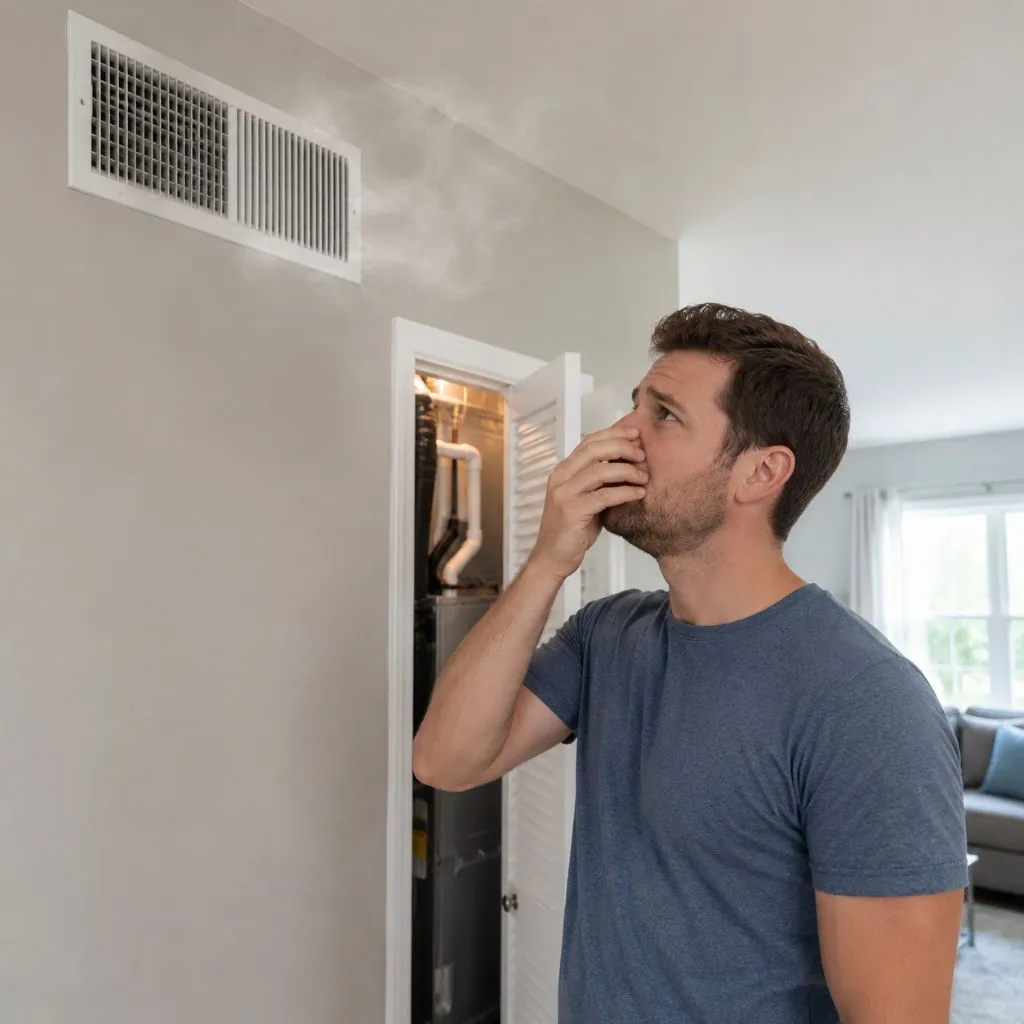
You walk in the door, the AC kicks on, and there it is, that damp, earthy smell that wasn’t there yesterday. A musty smell air conditioning system produces is one of the most common complaints homeowners bring up, and it’s usually not something to ignore. That smell is almost always a sign of moisture where it shouldn’t be, and moisture plus time tends to mean mold.
The good news is a musty smell air conditioning problem almost always traces back to one of a handful of causes, and most of them are fixable without a major repair. This article walks through the five most common reasons your AC smells musty and what actually helps.
Why a Musty Smell Air Conditioning System Shouldn’t Be Ignored
Your HVAC system is essentially a giant air recirculation machine for your home. Whatever’s growing or building up inside it gets pulled through the system and pushed into every room, every time it runs. So when you notice a musty smell air conditioning vents are putting out, you’re not just dealing with an unpleasant odor, you’re breathing in whatever’s causing it too.
That’s why tracking down the actual source matters more than just masking the smell with an air freshener. Let’s get into the five most common causes.
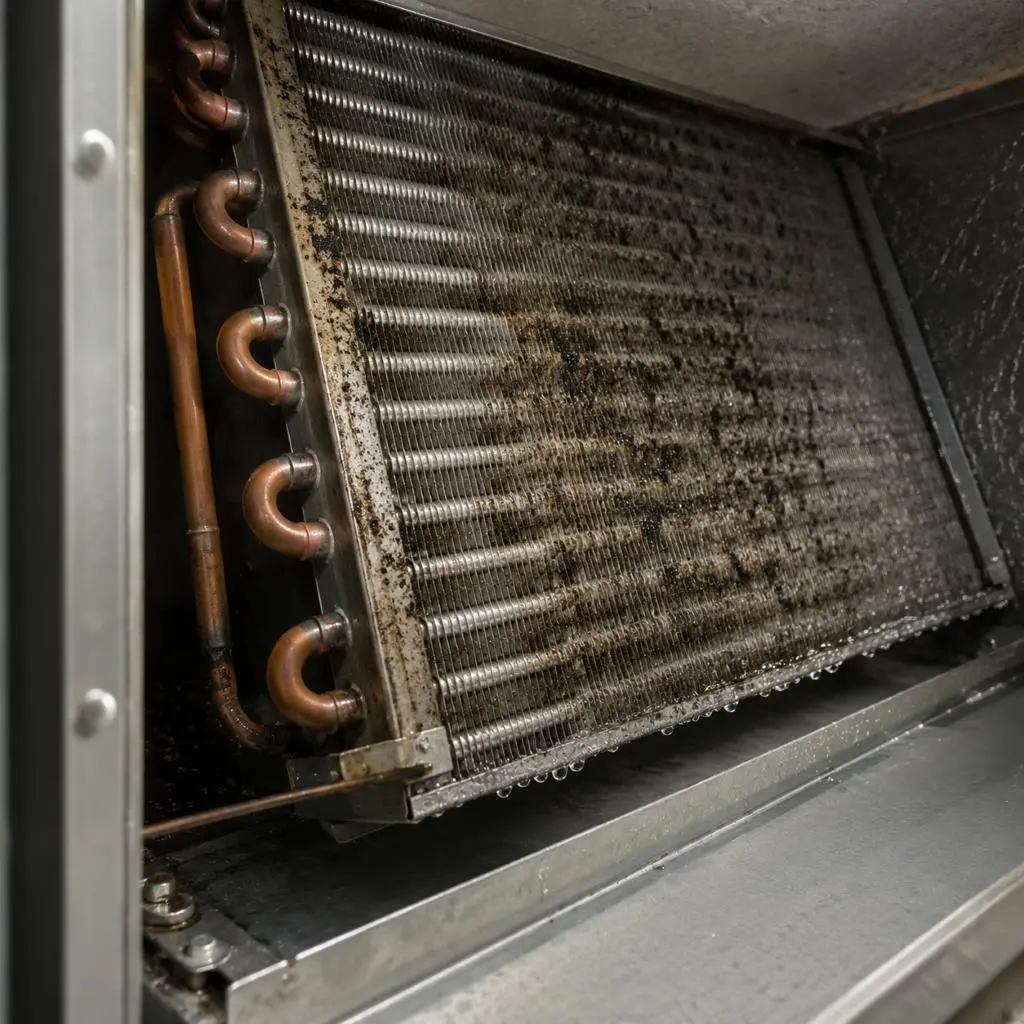
Cause 1: Mold or Mildew Growth in the Evaporator Coil
This is the single most common source of a musty smell air conditioning systems produce. Your evaporator coil stays cold and wet as it pulls humidity out of the air, which makes it an ideal environment for mold and mildew to take hold if the coil isn’t drying out properly between cooling cycles or if airflow is restricted.
How to Tell If This Is the Cause
The smell tends to be strongest right when the system first kicks on, and often fades slightly as air keeps circulating. A professional coil cleaning usually resolves this quickly, and it’s not something most homeowners can safely handle themselves since the coil is a delicate, hard to reach component.
Cause 2: A Clogged Condensate Drain Line
Standing water is one of the fastest ways to end up with a musty smell air conditioning vents keep pushing through your home. When the condensate drain line clogs, water can back up into the drain pan and sit there, giving algae and mold exactly the stagnant, moist environment they need to grow.
How to Tell If This Is the Cause
Check for water pooling near your indoor unit, or a drain pan that looks damp or discolored. Flushing the line with a wet-dry vacuum and a vinegar solution often clears this up, though a persistent clog may need a closer look.
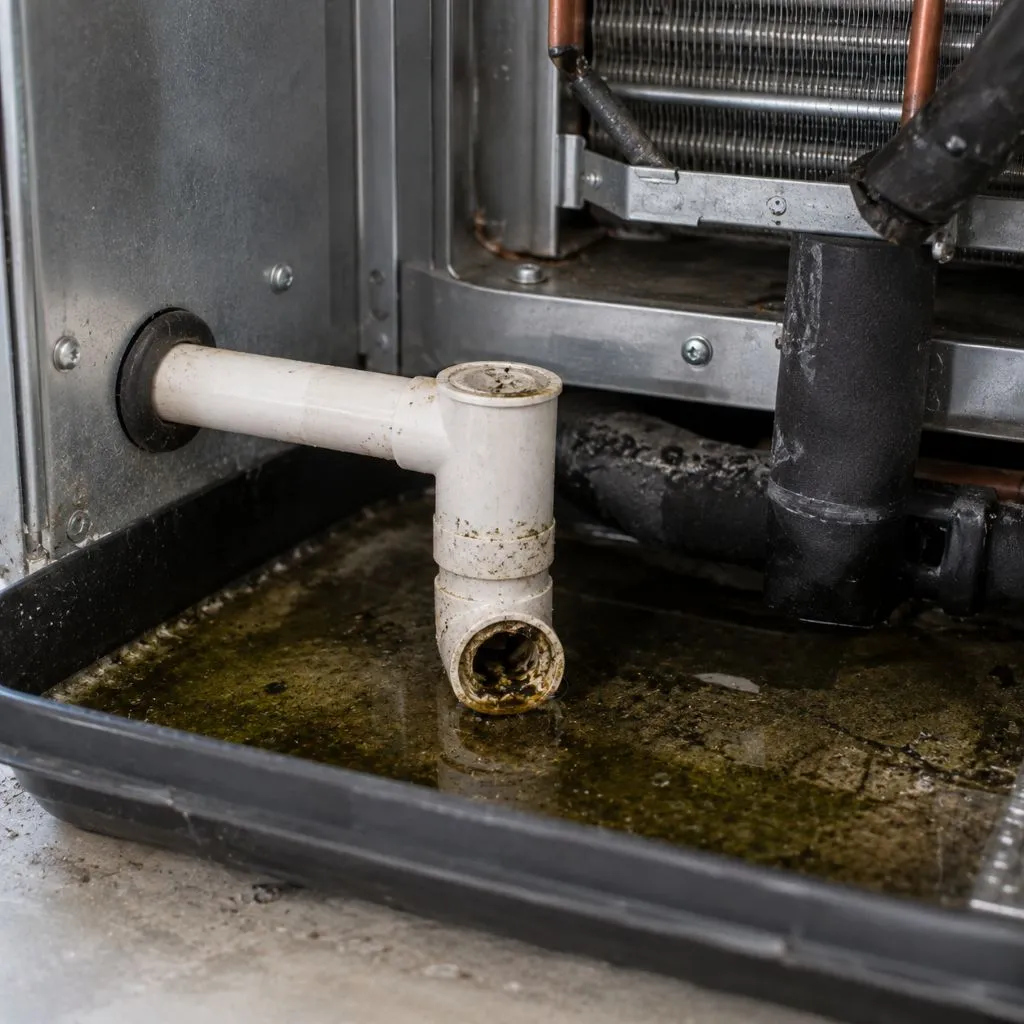
Cause 3: A Dirty or Overdue HVAC Filter
A filter that’s overdue for a change collects dust, dander, and moisture over time, and in humid conditions that buildup can start to smell musty on its own. This is one of the simpler causes of musty smell air conditioning systems develop, and also one of the easiest to check and fix yourself.
How to Tell If This Is the Cause
Pull your filter and take a look. If it’s visibly dirty, damp, or has any discoloration, replacing it is an easy first step before assuming the problem is something bigger.
Cause 4: Excess Humidity Inside the Ductwork
Ductwork that’s improperly sealed or insulated can let warm, humid air condense inside the ducts themselves, creating pockets of moisture that mold can take hold in over time. This is a less obvious cause of musty smell air conditioning problems, since the source is hidden inside the ductwork rather than somewhere visible.
How to Tell If This Is the Cause
If you’ve already ruled out the coil, drain line, and filter, and the smell persists, especially in certain rooms more than others, ductwork moisture is worth investigating with a professional inspection.
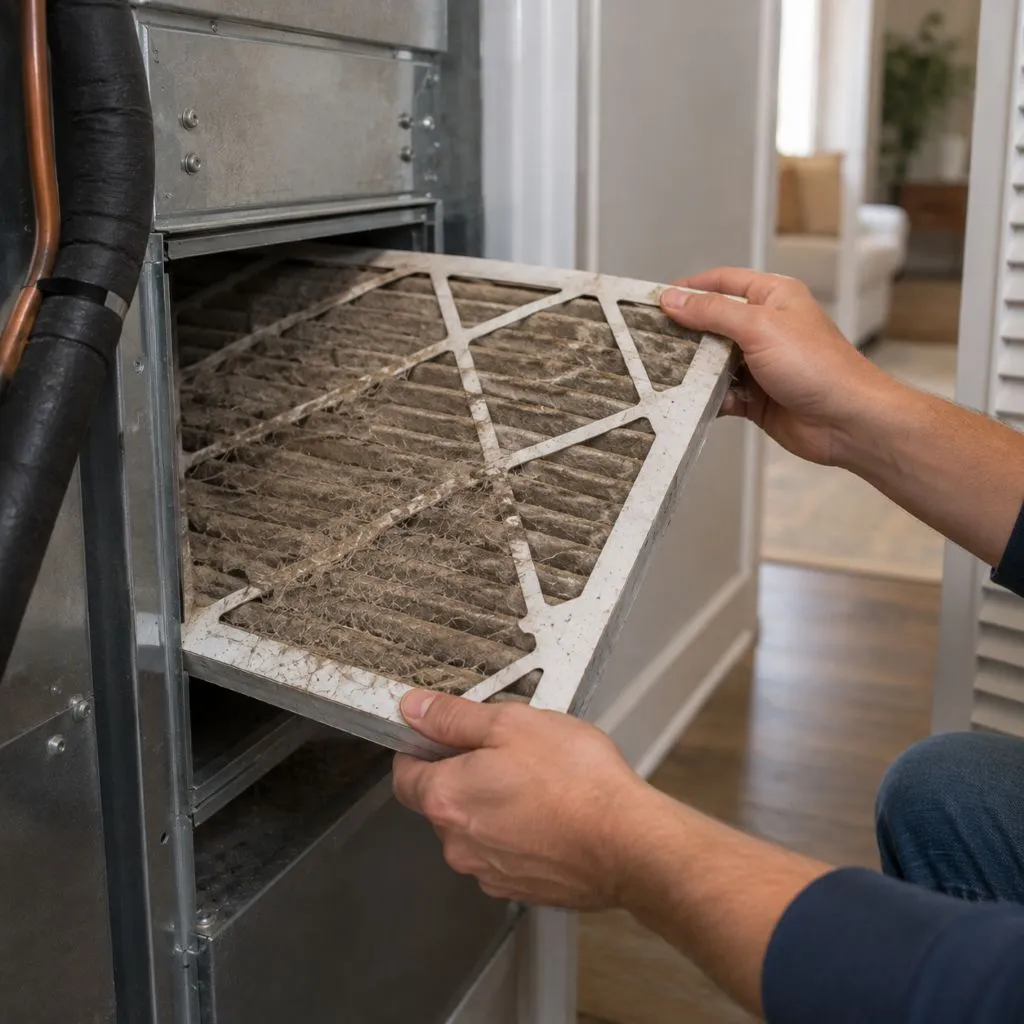
Cause 5: A Dirty Drain Pan or Standing Water Elsewhere in the System
Beyond a clogged drain line, the drain pan itself can accumulate sediment, algae, and debris over time, even when the line is draining properly. A dirty pan sitting under a coil that’s constantly producing condensation is another common answer to what’s really behind a musty smell air conditioning system keeps producing, even after other fixes seem to have worked.
How to Tell If This Is the Cause
If the smell lingers after cleaning the coil and clearing the drain line, ask a technician to check the drain pan specifically during your next service visit. It’s often overlooked since it’s tucked underneath the coil out of sight.
When a Musty Smell Means It’s Time to Call a Professional
Some of these causes are simple DIY fixes, a filter change or a drain line flush. But if you’ve addressed the easy stuff and the musty smell air conditioning system produces hasn’t improved, that’s usually a sign the issue is somewhere you can’t easily reach, the coil itself, hidden ductwork moisture, or a component that needs professional cleaning tools to access safely.
A lingering smell after basic troubleshooting is also worth taking seriously from a health standpoint, especially for households with allergies, asthma, or young kids, since mold spores circulating through your air supply can affect indoor air quality well beyond just the smell itself.
Why This Is More Common in Humid Climates Like North Carolina
North Carolina’s long, humid cooling season means AC systems in the Raleigh and Triangle area run harder and longer than in drier parts of the country, which creates more opportunities for moisture to build up inside coils, drain pans, and ductwork. A musty smell air conditioning system develops here often shows up faster and more frequently than it would in a drier climate, simply because there’s more humidity for the system to manage in the first place.
If you’re in this region, a slightly more proactive maintenance schedule, checking filters monthly and having coils and drain lines inspected each spring, helps catch these issues before the smell becomes a regular occurrence.
Conclusion
A musty smell air conditioning system produces is almost never something to just live with. In most cases it traces back to one of five common causes, mold on the evaporator coil, a clogged condensate drain line, an overdue filter, moisture trapped in the ductwork, or a dirty drain pan, and each one has a clear, manageable fix once you know what you’re looking for.
Start with the simple checks, your filter and drain line, since those are things you can look at yourself in a few minutes. If the smell sticks around after that, it’s worth having a professional take a closer look at the coil, ductwork, and drain pan before the issue affects your indoor air quality any further. Either way, a musty smell air conditioning system produces is a solvable problem, not something that has to become part of your everyday routine at home.
FAQ Section
This usually points to mold or mildew growth on the evaporator coil, since the smell is often strongest right as air starts moving across it and fades slightly as circulation continues.
Yes. A filter that's overdue for a change collects dust and moisture over time, and in humid conditions that buildup can develop a musty odor on its own.
It can be a sign of mold growth, which may affect indoor air quality and be a concern for household members with allergies, asthma, or respiratory sensitivities. It's worth addressing rather than ignoring.
A smell that's strongest right when the system starts often points to the coil, while a smell paired with visible water pooling near the indoor unit usually points to a clogged drain line or dirty drain pan.
It's generally best left to a professional, since the coil is a delicate component that's not easily accessible without the right tools, and improper cleaning can damage it.
Checking your filter monthly and having coils and drain lines professionally inspected each spring before cooling season helps catch moisture related issues early in humid climates like North Carolina.
No. Running the system longer doesn't address the underlying mold or moisture causing the smell, and can actually spread more of it through your home in the meantime.

