
How to Vent a Dryer Indoors: 5 Safe Options Explained
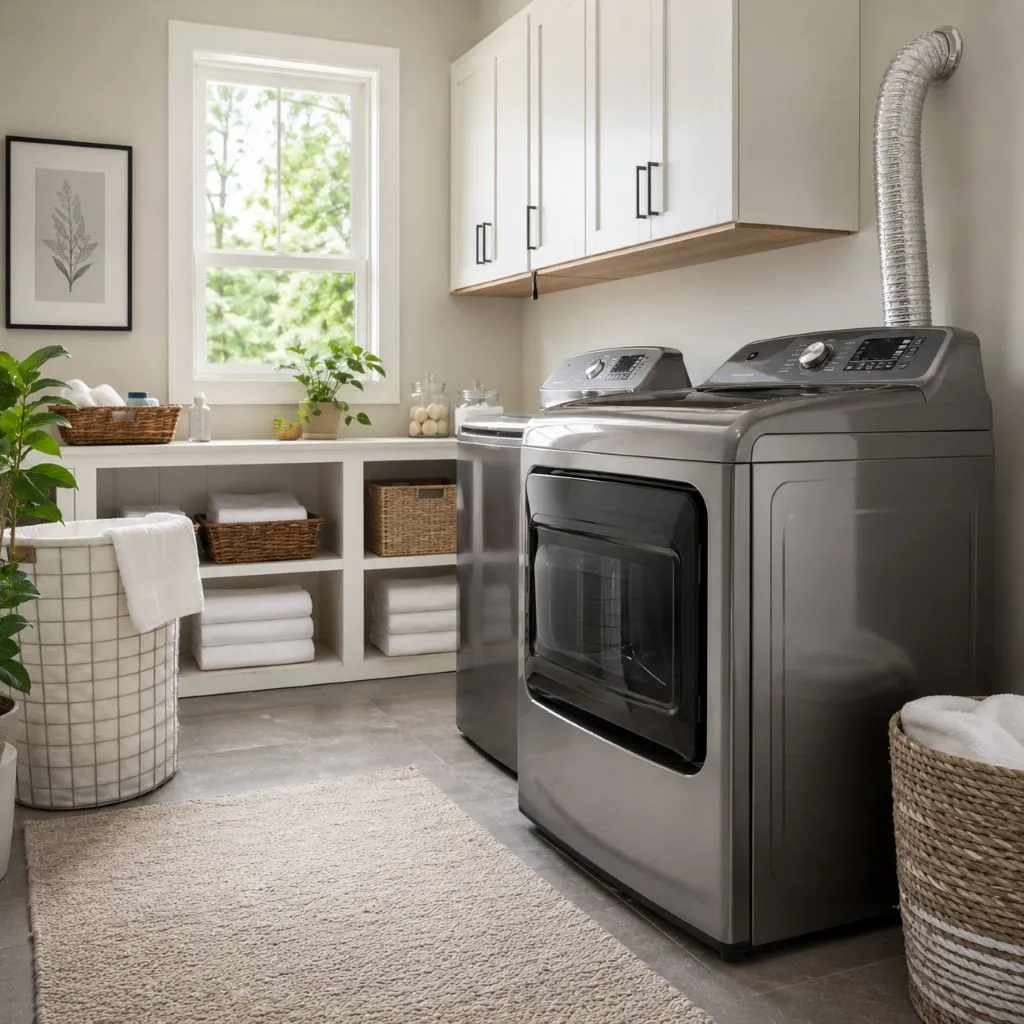
Not every home has an easy path to the outside for a dryer vent. Apartments, condos, basement laundry rooms, and older homes with awkward layouts all run into the same question sooner or later. How to vent a dryer indoors without turning your laundry room into a moisture and lint problem is one of the most common issues homeowners run into when a standard outdoor vent just isn’t realistic.
The good news is there are real solutions here, some better than others, and a couple of options that sound convenient but come with risks most people don’t find out about until it’s too late. This article walks through five options for how to vent a dryer indoors, what each one actually involves, and which ones we’d genuinely recommend.
Why Standard Outdoor Venting Isn’t Always Possible
Most dryers are designed to vent hot, moist air, along with lint, straight outside through a dedicated duct. That’s the safest and most efficient setup by a wide margin. But plenty of homes just don’t have a clear path for it. A laundry room in the middle of a condo, a basement with no nearby exterior wall, or a rental unit where you can’t modify the structure all make standard venting difficult or impossible.
That’s exactly the situation that leads people to search for how to vent a dryer indoors in the first place. It’s a real, common problem, and understanding your actual options, along with their tradeoffs, makes a big difference in how safely and effectively your dryer runs.
Option 1: Indoor Dryer Vent Kits
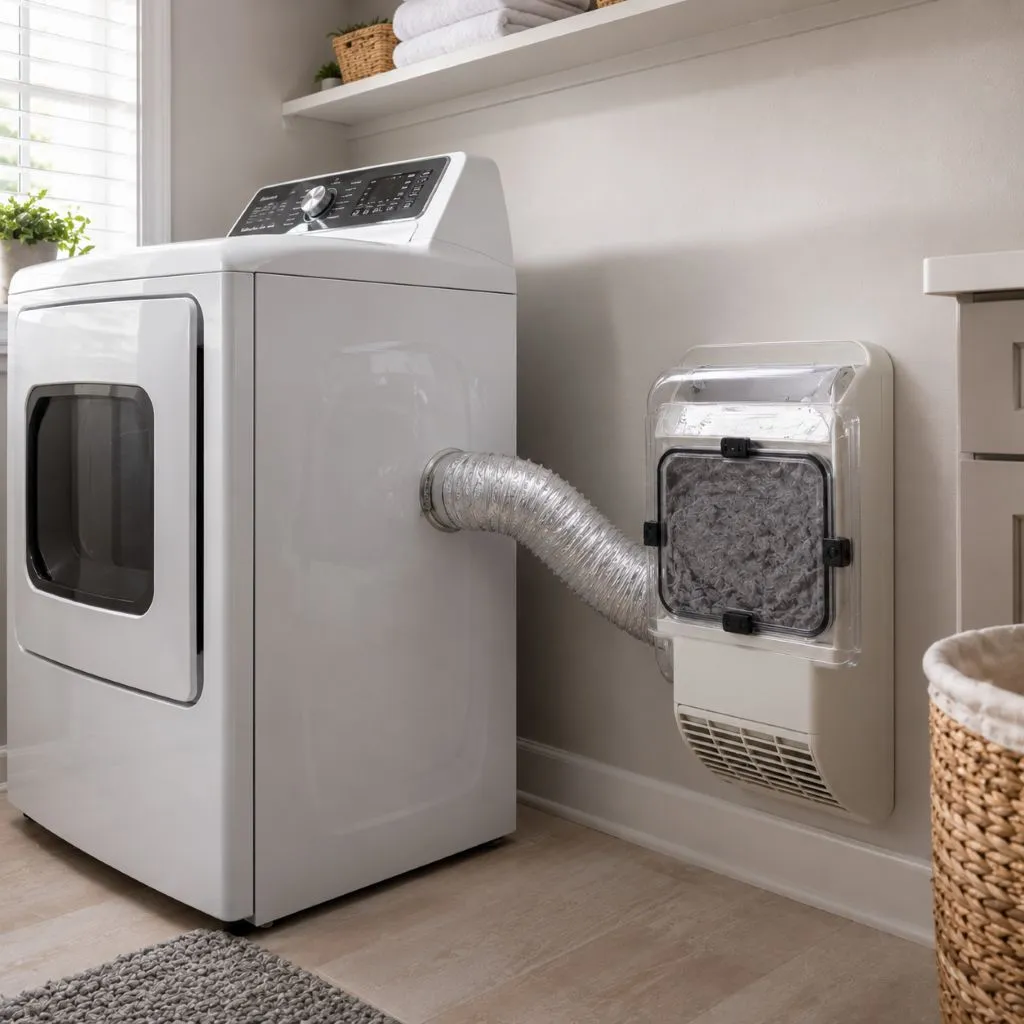
Indoor dryer vent kits are sold specifically for situations where outdoor venting isn’t available. These kits typically include a filter box that attaches to the dryer’s exhaust and captures lint and moisture before releasing air back into the room. They’re one of the most commonly searched answers to how to vent a dryer indoors, largely because they’re inexpensive and easy to install without any major changes to your home.
What to Know Before You Buy One
These kits work best for gas free, electric dryers used occasionally, not as a full time daily solution. They release warm, humid air directly into your living space, which can raise indoor humidity levels significantly if used regularly. Never use one of these kits with a gas dryer, since gas dryers produce carbon monoxide that needs to vent outside, not into your home.
Option 2: Heat Pump or Ventless Dryers
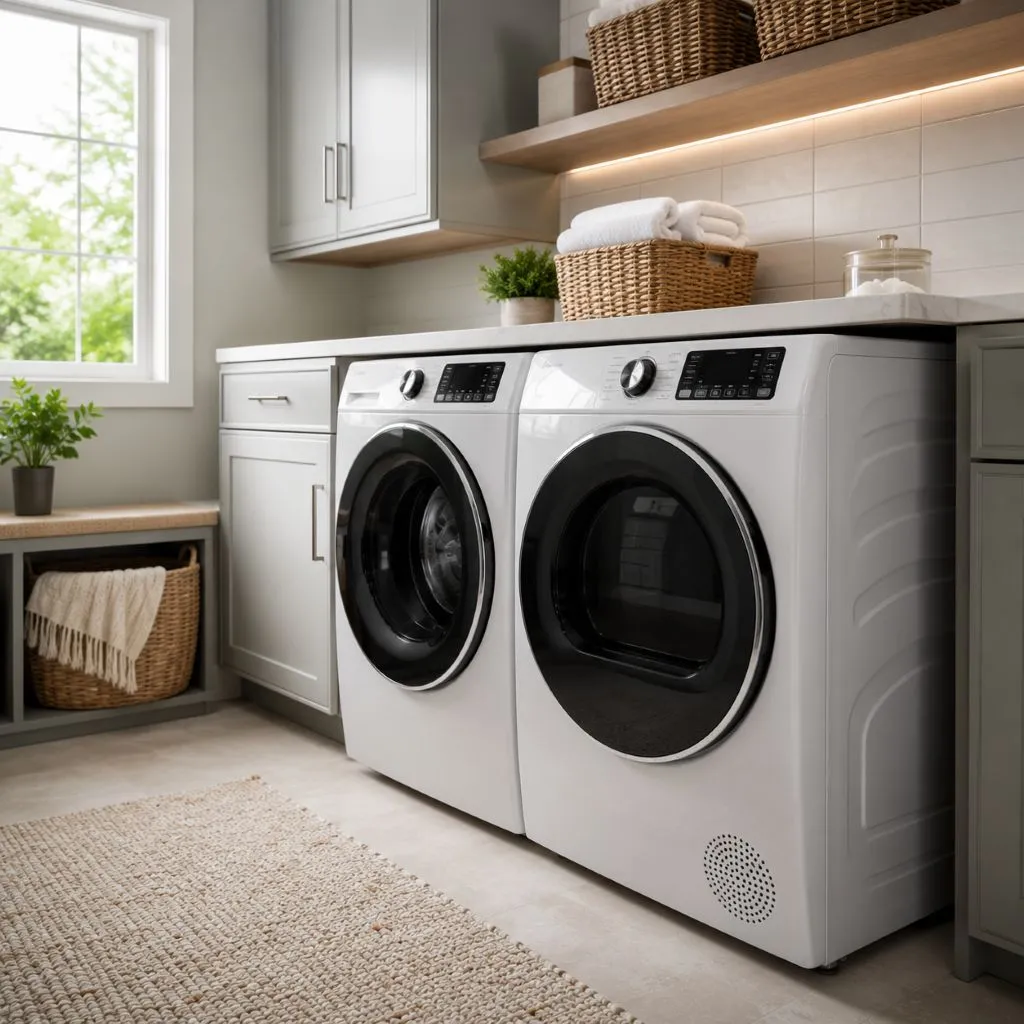
If you’re renovating or shopping for a new dryer specifically because of venting challenges, a heat pump or ventless dryer might be the better long term answer to how to vent a dryer indoors. These dryers use a closed loop system that condenses moisture into a reservoir or drain line instead of expelling humid air into your home at all.
The Tradeoffs
Heat pump dryers tend to run longer cycles and cost more upfront than a standard vented dryer, but they eliminate the moisture and lint concerns entirely since nothing gets released into the room. For homes where indoor venting is a permanent situation rather than a temporary workaround, this is often the safest and most practical choice.
Option 3: Routing to a Nearby Window or Wall Vent
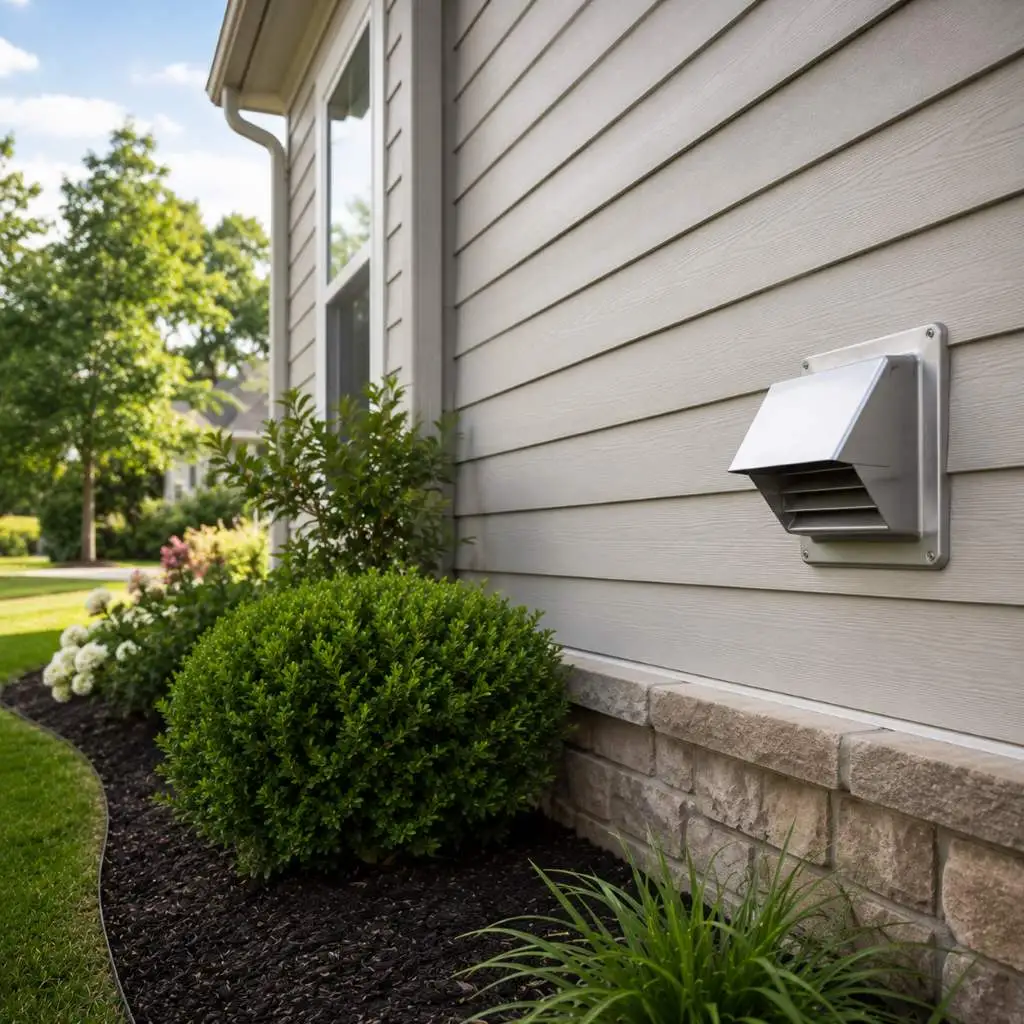
If your laundry area is close to an exterior wall or window, even if it’s not a straight shot, a flexible or rigid duct can sometimes be routed a short distance to a wall vent or window vent kit. This keeps you within a true outdoor venting setup rather than releasing air indoors, which makes it a much safer answer to how to vent a dryer indoors than the filter box kits.
What Makes This Work
The key here is keeping duct runs as short and straight as possible. Long runs with multiple bends reduce airflow and increase lint buildup risk, so this option works best when the exterior wall or window is genuinely close to the dryer’s location.
Option 4: Professional Duct Rerouting
Sometimes the real answer to how to vent a dryer indoors isn’t finding a workaround at all, it’s having a professional assess whether a proper outdoor vent can actually be installed with some rerouting. Technicians can often run ductwork through walls, ceilings, or floor joists to reach an exterior wall that isn’t obvious from a quick look at the room.
Why This Is Worth Considering
This option costs more upfront than a vent kit, but it gives you a permanent, code compliant venting solution instead of an indoor workaround you’ll need to manage indefinitely. For homeowners who plan to stay in the home long term, this is usually the better investment.
Option 5: Condensation Drying Trays and Portable Solutions
For occasional use, situations like a rental unit, a tiny home, or a temporary living space, portable drying racks combined with a dehumidifier can serve as a practical answer to how to vent a dryer indoors without any dryer venting at all. This isn’t a replacement for a standard dryer in daily use, but it’s worth mentioning as a genuine option for specific living situations where installing any kind of vent isn’t possible.
Where This Makes Sense
This option fits best for very light laundry loads or situations where a dryer isn’t a realistic option in the space at all. It’s not practical for a full household’s regular laundry needs.
The Real Risks of Venting a Dryer Indoors Incorrectly
Before you settle on an option, it’s worth understanding what’s actually at stake. Venting warm, moist air indoors without the right equipment increases humidity, which can lead to mold growth, especially in enclosed laundry closets. Lint that isn’t properly filtered can build up in the room and become a fire hazard, and gas dryers vented incorrectly indoors create a serious carbon monoxide risk.
This is exactly why how to vent a dryer indoors isn’t a question with one simple answer. The right choice depends heavily on your dryer type, how often you’re doing laundry, and whether the setup is temporary or permanent.
What This Means for Homes in North Carolina
Raleigh and the broader Triangle area have a good mix of older homes, apartments, and condos where dryer venting can be a genuine challenge, especially in older construction where laundry rooms weren’t originally planned with an exterior wall nearby. North Carolina’s humid climate also means releasing warm, moist air indoors carries a bit more risk here than in drier regions, since your home is already managing more ambient humidity for a good part of the year.
If you’re dealing with how to vent a dryer indoors in a North Carolina home, it’s worth weighing that extra humidity factor into your decision, and leaning toward true outdoor venting options whenever they’re realistically possible.
Choosing the Right Option for Your Home
There’s no single best answer to how to vent a dryer indoors that fits every situation. A vent kit might be fine for occasional, light use in an electric dryer, while a heat pump dryer or professional duct rerouting makes more sense for a household doing laundry every day. The most important rule across every option is simple, never vent a gas dryer indoors under any circumstances, and always prioritize a true outdoor vent whenever it’s genuinely possible to install one.
Take a look at your laundry space, your dryer type, and how often you’re actually running loads, then match that to the option that fits best rather than defaulting to whichever solution looks easiest on the shelf at the hardware store. Getting how to vent a dryer indoors right the first time saves you from redoing the setup a few months down the road.
FAQ Section
It depends on the dryer type and method. Electric dryers can sometimes use an indoor vent kit for occasional use, but gas dryers should never be vented indoors due to carbon monoxide risk.
A heat pump or ventless dryer is generally the safest long term option, since it condenses moisture instead of releasing warm, humid air into the room.
Yes. Releasing warm, moist air indoors regularly can raise humidity levels enough to encourage mold growth, especially in enclosed laundry areas with limited airflow.
They work reasonably well for occasional, light use with electric dryers, but aren't recommended as a full time solution due to the moisture and lint they release into the room.
Gas dryers produce carbon monoxide as a byproduct of combustion, which needs to be vented outside. Venting a gas dryer indoors creates a serious carbon monoxide poisoning risk.
For households doing regular laundry long term, yes. Professional rerouting provides a permanent, code compliant outdoor vent instead of an ongoing indoor workaround.
The region's humid climate means releasing moist air indoors adds to an already humid environment for much of the year, making true outdoor venting options more worthwhile when possible.
Figuring out how to vent a dryer indoors safely often comes down to understanding your home’s layout and your dryer’s actual venting needs, and sometimes a professional assessment is the fastest way to find a permanent solution.
AirDuctVet is veteran-owned and BBB-accredited, with a flat-rate, no-upsell approach to every job. No hidden fees, no pressure to add on services you don’t need, just an honest assessment of what’s actually possible for your dryer venting setup.
Schedule a dryer vent inspection today and find out whether a true outdoor vent is more achievable than you think

