
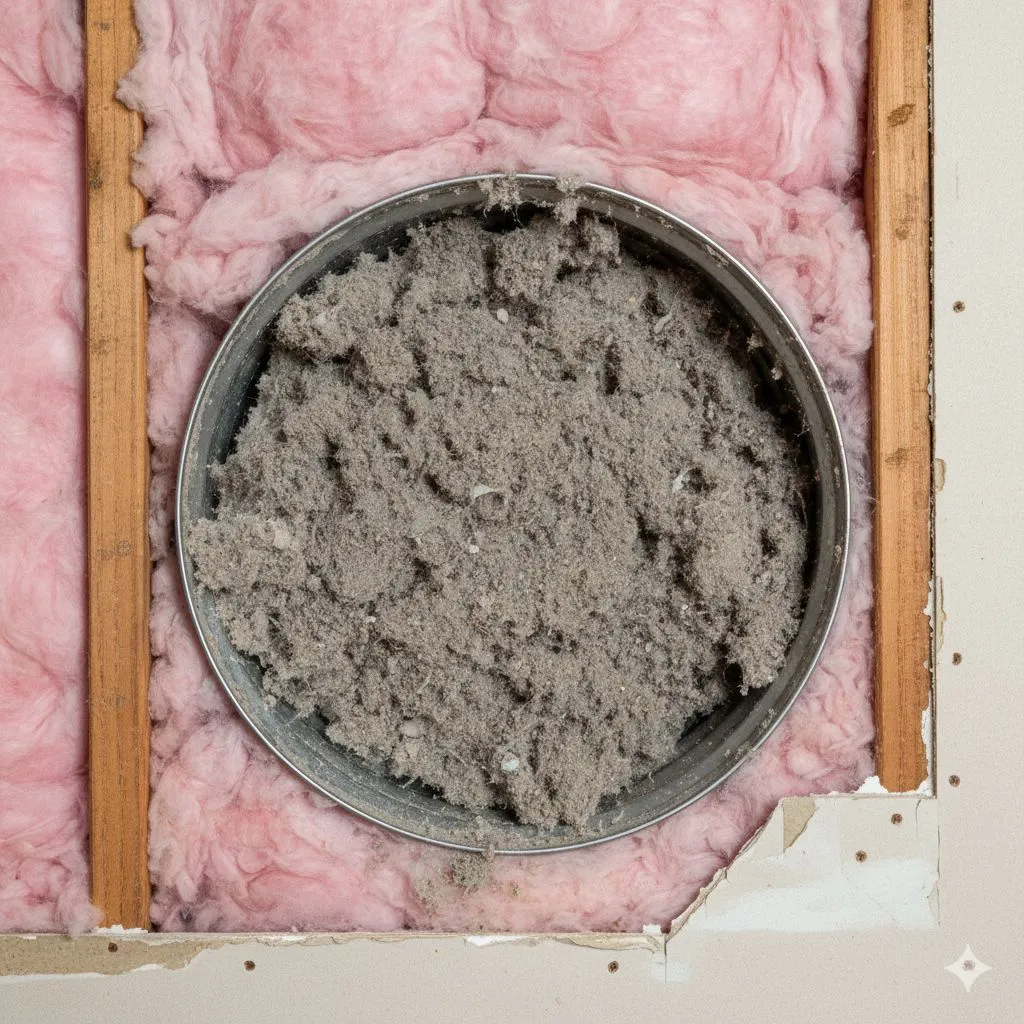

 Why Dryer Vent Fires Are More Common Than You Think
National Fire Statistics and What They Mean for Alexandria
According to the U.S. Fire Administration, nearly 2,900 dryer fires erupt in American homes every year, causing more than $35 million in property damage. But what’s even more troubling is how many of these fires could have been avoided.
In historic areas like Alexandria—where many homes were built before modern ventilation codes—the risk of a hidden dryer vent fire hazard in Alexandria is significantly higher. Whether you live in Old Town with its charming brick rowhomes or in a mid-century split-level in West End, your dryer vent system might be hiding a serious fire risk.
That’s because many Alexandria homes have older ductwork, tight laundry closets, and long vent paths that snake through walls, ceilings, or attics. These hard-to-access vent lines make regular cleaning difficult, and they create the perfect conditions for a hidden dryer vent fire hazard in Alexandria to develop silently over time.
Anatomy of a Hidden Dryer Vent Fire Hazard
Let’s walk through how a hidden dryer vent fire hazard in Alexandria typically forms:
Lint that escapes the trap clings to the inner walls of the vent.
Airflow becomes restricted, causing the dryer to run hotter than intended.
Heat builds up—especially if the vent line is longer than 10 feet or uses flexible plastic or foil tubing, which is still found in many Alexandria homes.
That trapped lint—extremely flammable—eventually ignites from the heat or a small electrical spark.
The fire doesn’t start in plain sight. It usually starts behind your walls or ceilings, where the vent duct is hidden from view. And because the vent system is often overlooked, the hidden dryer vent fire hazard in Alexandria can grow worse each time you run your dryer.
Homeowners in Alexandria often have no idea that their homes are at increased risk. If your vent exits through the roof or a second-story wall—common in townhouses and split-level homes—it’s even harder to detect buildup or clogs. That’s why this type of fire hazard is often called “hidden”—because it stays out of sight until it’s too late.
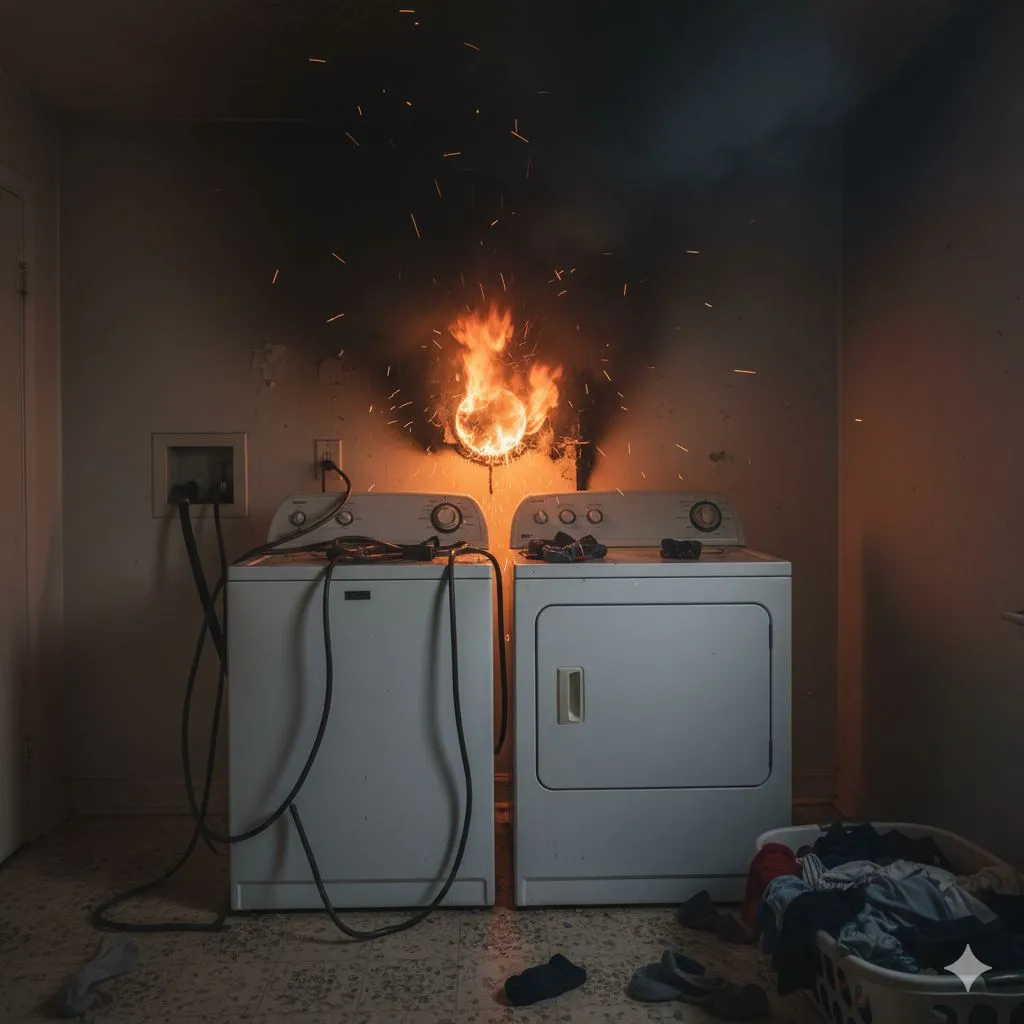
 5 Shocking Facts About Dryer Vent Fire Hazards in Alexandria
1. Most Alexandria Homeowners Don’t Know Their Dryer Vent Is Clogged
You might be diligent about cleaning the lint trap—but that only solves part of the problem. Most dryer vents still allow up to 25% of lint to escape into the ductwork. Over months and years, that lint builds up and becomes the foundation for a hidden dryer vent fire hazard in Alexandria.
And because the vent is tucked behind walls or runs through crawlspaces, most homeowners don’t realize it’s happening.
Common signs that you may already have a hidden dryer vent fire hazard in Alexandria include:
Clothes are taking too long to dry
A hot or humid laundry room
A burnt or musty odor after drying
The dryer exterior feeling hotter than normal
These are all symptoms of a clogged or restricted vent line—a major warning sign that heat is getting trapped where it shouldn’t be.
2. Lint Is More Flammable Than You Think
What’s in your lint trap? Tiny fibers from cotton, wool, polyester, and other fabrics—all highly combustible. In fact, lint is so flammable that fire safety professionals often use it as kindling in fire-starting demonstrations.
When your vent is clogged and heat can’t escape, it creates the ideal condition for that lint to ignite. And if your vent uses outdated materials like foil or plastic tubing—still common in older Alexandria homes—the fire can spread even faster.
That’s why the hidden dryer vent fire hazard in Alexandria is so dangerous: it doesn’t take much to set it off, and you won’t see it coming until it’s too late.
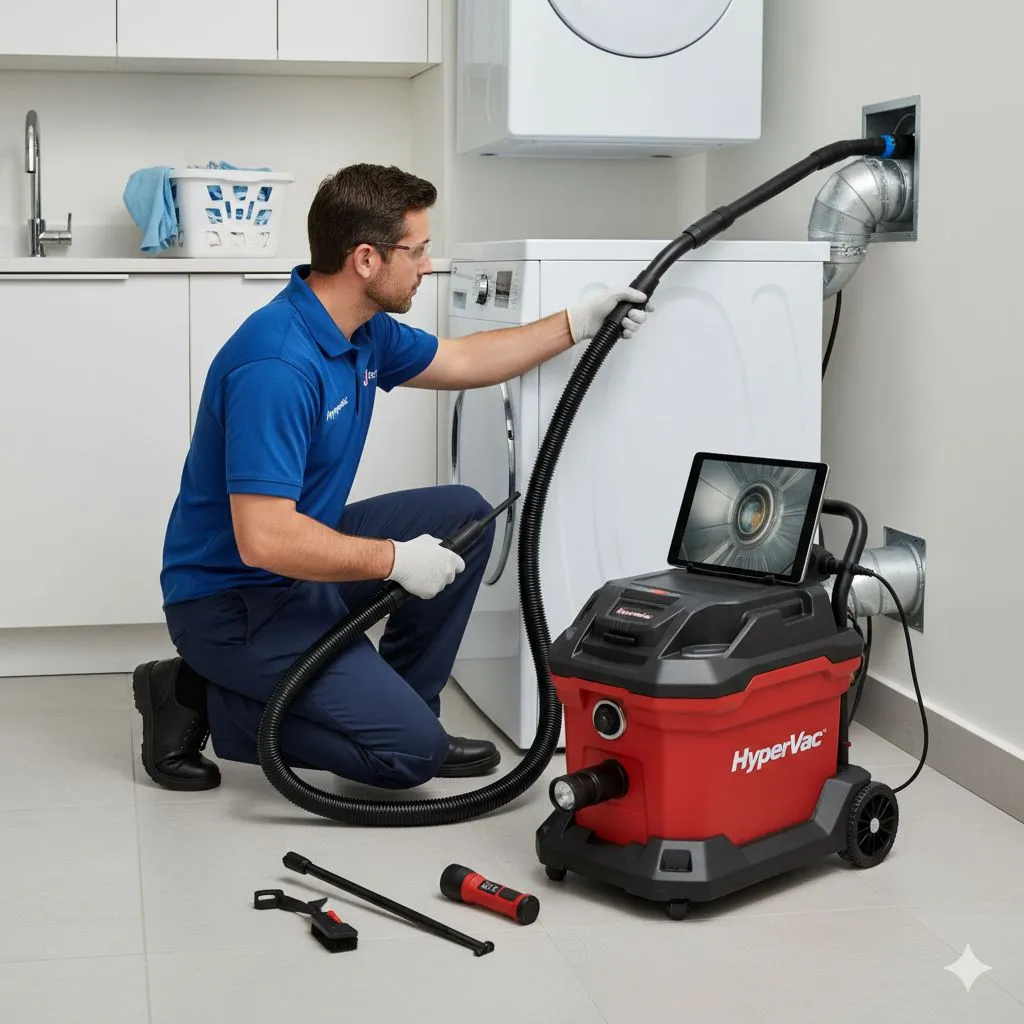
 How Air Duct Vet Identifies and Eliminates Dryer Fire Hazards
Our Inspection Process
At Air Duct Vet, we know that a hidden dryer vent fire hazard in Alexandria can go unnoticed for years—until it turns into a serious emergency. That’s why we begin every service with a thorough, step-by-step diagnostic inspection tailored to Alexandria’s unique mix of historic and modern homes.
Using our Cobra Camera, we snake through the entire length of your dryer vent system, providing a real-time video feed of what’s lurking behind your walls. This allows us to identify exactly where your vent is compromised and catch early signs of a hidden dryer vent fire hazard in Alexandria before disaster strikes.
During the inspection, we look for:
Thick lint buildup and impacted debris
Blockages from crushed or kinked ducts
Animal nests or pest intrusions
Broken, disconnected, or outdated vent materials
We also use pressure and temperature sensors to evaluate airflow efficiency. If the dryer is overheating or struggling to vent properly, that’s a strong indicator of a developing hidden dryer vent fire hazard in Alexandria.
Deep Cleaning With Professional Tools
Once we identify the problem, we deploy industrial-grade tools designed to clean vents thoroughly, safely, and without damaging your ductwork.
The HyperVac 5000 delivers intense suction power to pull out deeply impacted lint from even the longest vent runs.
Our DeWalt air compressors push compressed air through the vent in reverse, breaking apart clogs and pushing lint back to the vacuum intake.
HEPA-filter vacuums ensure that no loose dust or particles re-enter your living space during the process.
Together, this equipment allows us to eliminate every trace of lint and debris, resolving the hidden dryer vent fire hazard in Alexandria and restoring safe, efficient airflow through your system.
When we’re done, your dryer will operate more efficiently, your laundry room will feel cooler, and you’ll have peace of mind knowing your home is protected from one of the most overlooked fire risks.
 How You Can Prevent Dryer Fires at Home
7 Simple Dryer Safety Tips for Alexandria Homeowners
The good news? You can dramatically reduce your risk of a hidden dryer vent fire hazard in Alexandria by following a few simple dryer safety tips:
Clean your lint trap before every load. Don’t let buildup start inside the machine.
Schedule professional dryer vent cleaning at least once a year. More often if you have pets, a large family, or do laundry frequently.
Never run your dryer when you’re sleeping or not home. If a fire starts, you won’t be able to respond in time.
Use rigid metal venting. Avoid outdated plastic or foil vents that easily trap lint and ignite.
Inspect your exterior vent flap regularly. It should open freely when the dryer runs and close securely when it’s off.
Don’t overload your dryer. Heavier loads generate more lint and heat, increasing risk.
Pay attention to warning signs. If your laundry takes too long to dry, feels overly hot, or smells musty or burnt, you may already have a hidden dryer vent fire hazard in Alexandria.

