
Common Allergy Symptoms from Air Ducts in Your Home
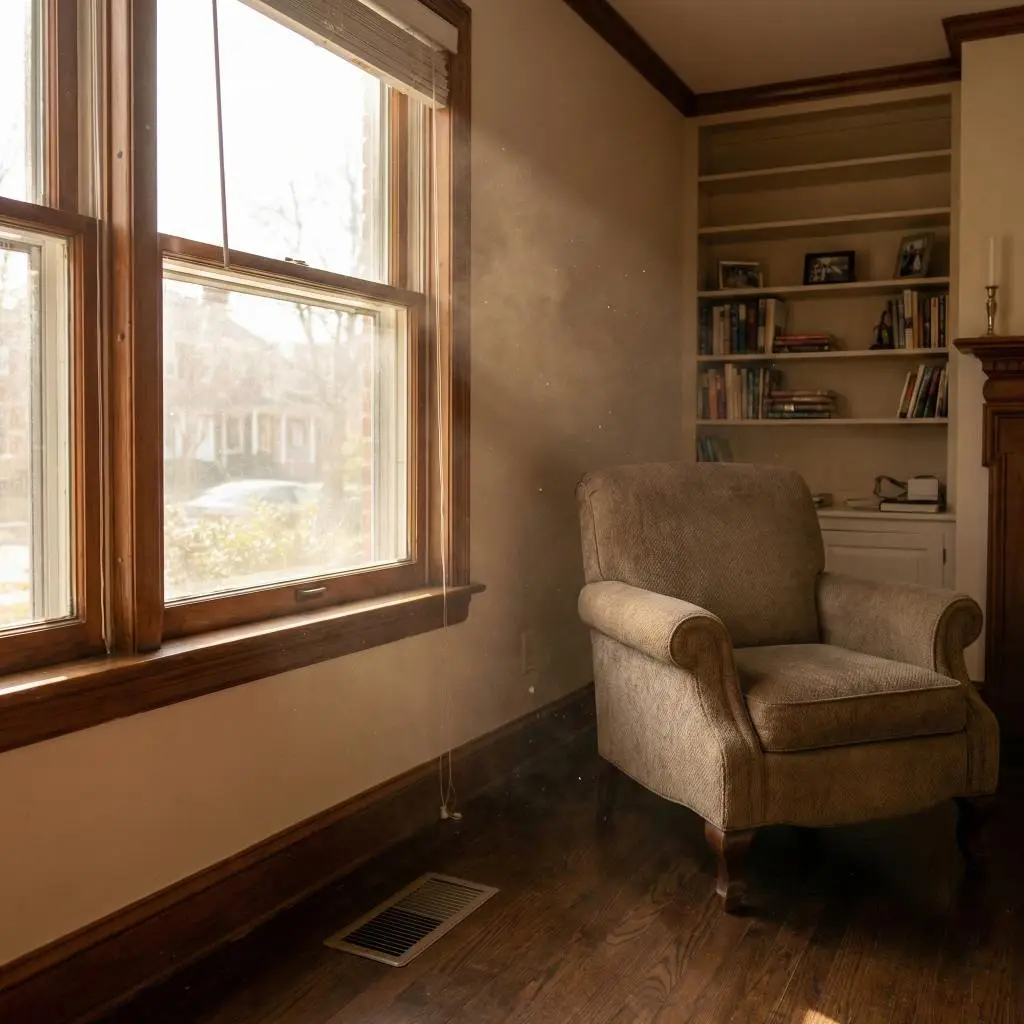
If you spend most of your time indoors and still feel like your allergies never give you a break, you are not alone. Many homeowners in Alexandria struggle with ongoing congestion, sneezing, fatigue, or breathing discomfort even when pollen counts are low. In many cases, the problem is not outside at all. It is circulating quietly through the air inside your home. Allergy symptoms from air ducts are one of the most overlooked indoor health issues, yet they affect thousands of families every year.
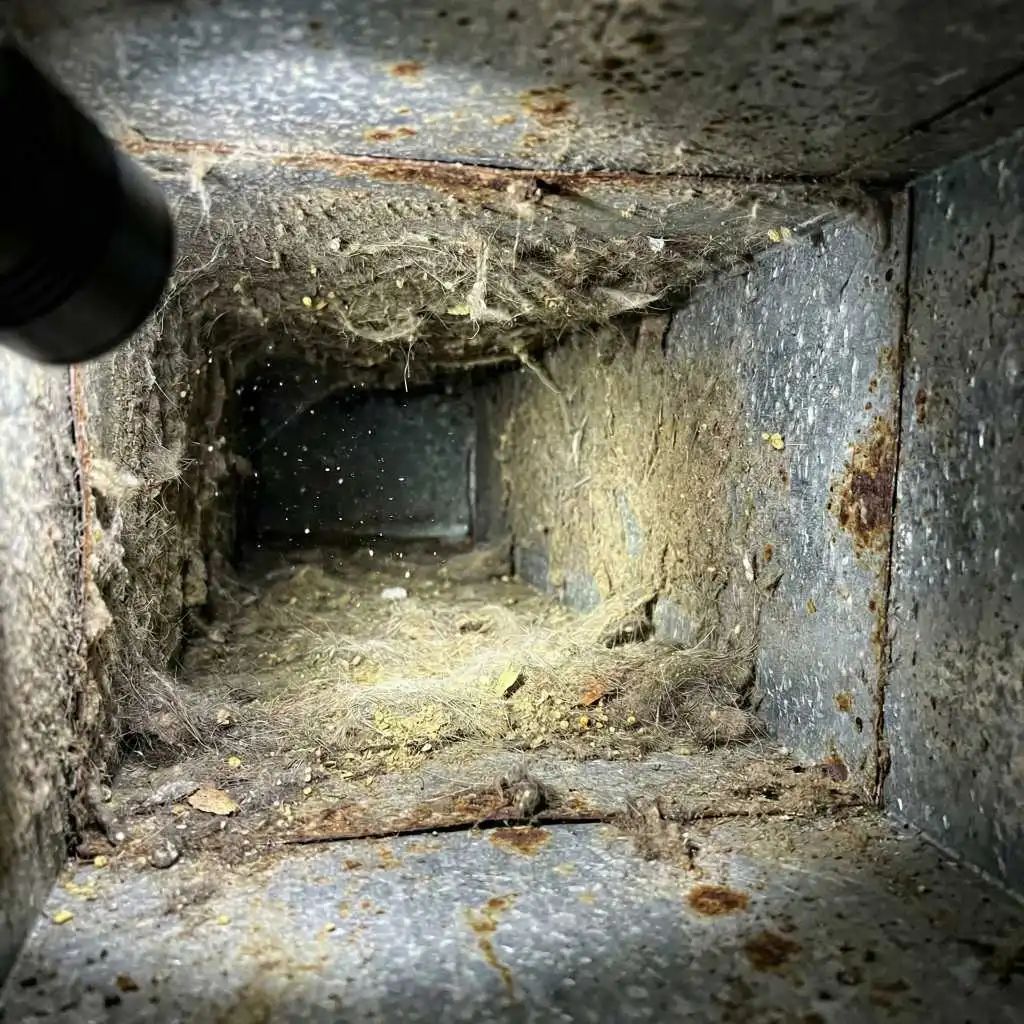
Air ducts are designed to move air efficiently throughout your home. Over time, they also move dust, pollen, pet dander, mold spores, and other allergens. When these contaminants build up inside the system, they do not stay trapped. Every time your HVAC system turns on, those particles can be released back into the air you breathe.
What makes allergy symptoms from air ducts so difficult to identify is how gradually they appear. Symptoms may start mild and become normal over time. Many people treat the discomfort without ever realizing the source is hidden inside their own home.
Understanding the warning signs can help you take action early, protect your family, and restore healthier indoor air.
How Air Ducts Can Trigger Allergies Indoors
Air ducts act like the lungs of your home. They pull air in through return vents, pass it through heating or cooling equipment, and distribute it through supply vents into every room. Along with air, ducts collect whatever is floating in that air.
Dust from furniture, pollen brought in through doors and windows, pet hair, dander, and even microscopic debris from outside traffic all end up inside the duct system. Moisture from humidity or condensation allows these particles to stick to duct walls and internal components.
Over time, layers of debris form. Filters capture some contaminants, but they cannot stop everything. Once allergens bypass the filter, they remain inside the system until removed professionally. This buildup is a major reason allergy symptoms from air ducts become persistent and difficult to control.
Even homes that appear clean on the surface can have heavily contaminated ductwork hidden behind walls and ceilings.
Why Allergy Symptoms from Air Ducts Are Often Misdiagnosed
One reason allergy symptoms from air ducts go unnoticed is that they mimic other conditions. Sneezing, congestion, itchy eyes, and headaches are commonly blamed on seasonal allergies, stress, or colds.
Another challenge is consistency. Indoor exposure happens daily, so symptoms may not feel sudden or severe at first. People adapt to feeling slightly unwell and assume it is normal.
In tightly sealed homes, which are common in Alexandria, allergens have fewer ways to escape. This allows contaminants to recirculate continuously. Without addressing the source, symptoms often return no matter how much medication or surface cleaning is done.
Five Warning Signs Your Air Ducts May Be Affecting Your Health
Persistent Nasal Congestion and Sneezing Indoors
One of the most common allergy symptoms from air ducts is ongoing nasal congestion that seems worse indoors than outside. You may notice a stuffy nose, frequent sneezing, or post nasal drip that never fully clears.
This happens because allergens trapped inside ducts are released repeatedly into the air. Every time the HVAC system runs, it delivers a fresh dose of irritants to your nasal passages.
If symptoms improve when you leave the house and return shortly after coming home, air ducts may be playing a role.
Itchy Watery Eyes That Do Not Improve
Eye irritation is another classic sign of indoor allergens. Dust, pollen, and dander circulating through vents can irritate the eyes, causing redness, itching, and watering.
Many homeowners assume this is caused by outdoor allergens, but allergy symptoms from air ducts often persist even when windows are closed and pollen counts are low.
Because eyes are highly sensitive, they are often one of the first areas affected by poor indoor air quality.
Chronic Coughing or Throat Irritation
A dry cough or constant throat clearing can indicate irritation from airborne particles. When allergens circulate through the ducts, they can inflame the throat and upper airways.
This symptom is especially noticeable at night or early in the morning when the HVAC system cycles frequently. Over time, coughing becomes habitual, and the underlying cause is overlooked.
For children and seniors, this type of irritation can be more pronounced and disruptive.

Worsening Asthma or Breathing Discomfort
For individuals with asthma or sensitive lungs, allergy symptoms from air ducts can be particularly serious. Fine particles irritate the airways, making breathing more difficult.
Wheezing, chest tightness, shortness of breath, and increased inhaler use are common signs. Children may experience more frequent flare ups, while adults may feel breathless during routine activities.
When asthma symptoms worsen indoors but improve elsewhere, indoor air quality should be evaluated.
Fatigue Headaches and Poor Sleep Quality
Poor air quality does not only affect breathing. It also affects how your body functions overall. When you are exposed to allergens constantly, your immune system works harder, leading to fatigue.
Headaches, brain fog, and difficulty concentrating are common allergy symptoms from air ducts. Sleep may also suffer due to congestion, coughing, or nighttime breathing issues.
Over time, lack of quality rest can weaken immunity and reduce energy levels, affecting work, school, and daily life.
Why Alexandria Homes Are Especially Vulnerable
Alexandria homes face a combination of factors that make indoor air quality issues more likely. Many homes are older and may have ductwork that has not been cleaned in decades. Dust and debris accumulate slowly but steadily.
Newer homes, while energy efficient, are tightly sealed. This limits fresh air exchange and traps allergens inside. Alexandria’s humid climate further complicates the issue by allowing particles to cling to surfaces and remain airborne longer.
Seasonal pollen, urban pollution, and everyday household activity all contribute to duct contamination. Together, these factors increase the likelihood of allergy symptoms from air ducts affecting local homeowners.
Why Regular Cleaning Does Not Solve the Problem
Vacuuming, dusting, and changing air filters are important steps, but they address only what is visible. Allergens hidden inside ductwork remain untouched.
Standard household vacuums cannot safely reach deep into ducts. Filters trap some particles but cannot remove buildup that has already accumulated. Without professional cleaning, contaminants continue to circulate.
This is why many homeowners feel frustrated when allergy symptoms persist despite good cleaning habits. The source remains hidden, allowing allergy symptoms from air ducts to continue.
How Dirty Air Ducts Affect the Entire Home
Air ducts connect every room in your home. When they are contaminated, allergens travel freely from one space to another.
Dust that reappears quickly after cleaning often originates from vents. Musty odors may indicate microbial growth inside ductwork. Uneven airflow can signal heavy buildup restricting circulation.
Because ducts operate out of sight, homeowners rarely consider how much they influence daily comfort and health.
How Professional Air Duct Cleaning Can Help
Professional air duct cleaning removes accumulated dust, allergens, and debris from the entire system. This includes supply ducts, return ducts, vents, and HVAC components.
Once cleaned, airflow improves and fewer particles are released into the air. Many homeowners notice immediate improvements in breathing, reduced sneezing, and better sleep.
Reducing allergy symptoms from air ducts often leads to less reliance on allergy medication and fewer sick days over time.
When to Consider Air Duct Cleaning
If allergy symptoms persist year round, worsen indoors, or affect multiple family members, air ducts should be evaluated. Homes with pets, recent renovations, water damage, or long periods without cleaning are at higher risk.
Children, seniors, and individuals with asthma or allergies benefit the most from improved indoor air quality.
Addressing the issue early can prevent long term discomfort and protect overall health.
Why Alexandria Homeowners Trust Air Duct Vet
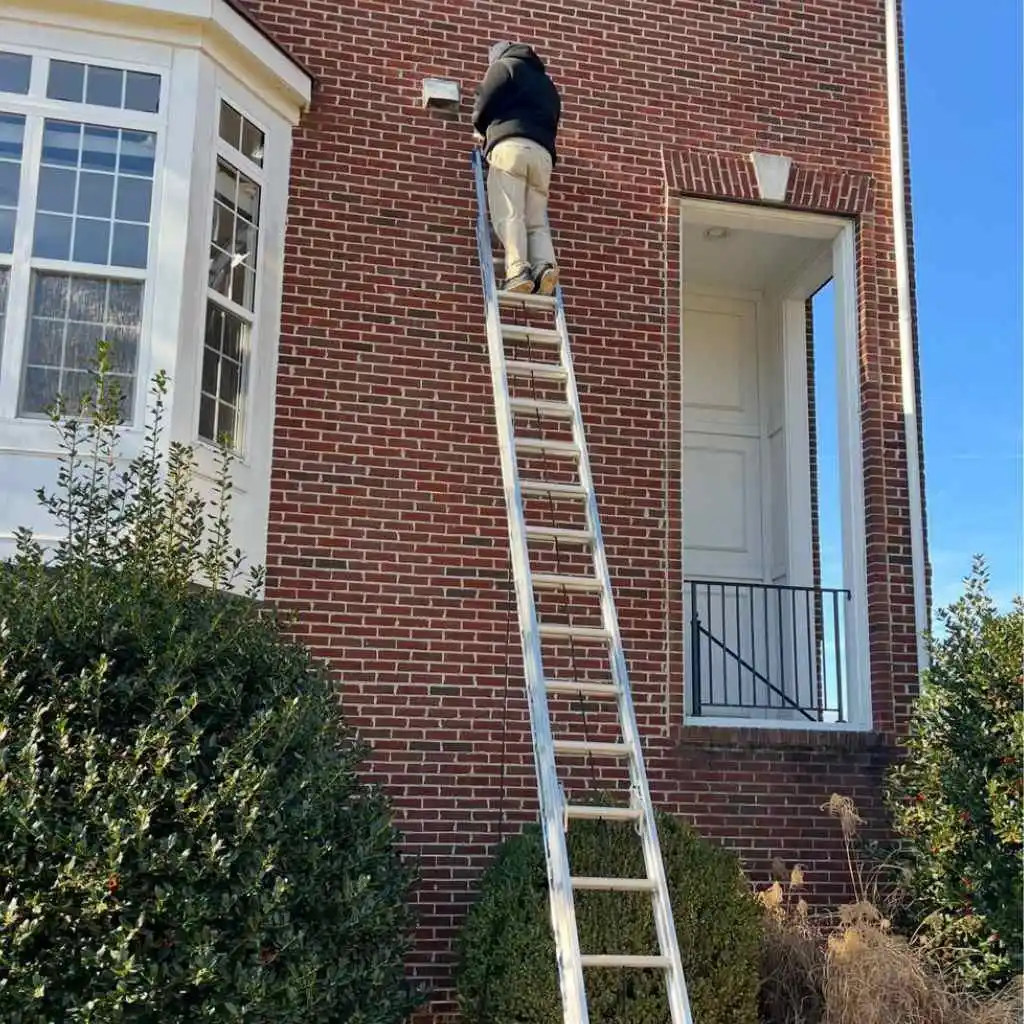
Air Duct Vet is a veteran owned and BBB accredited company serving Alexandria and surrounding Northern Virginia communities. The team understands how hidden contaminants affect real homes and real families.
Air Duct Vet uses professional grade equipment and detailed inspection methods to remove allergens safely and thoroughly. Their approach focuses on reducing allergy symptoms from air ducts while improving system efficiency and airflow.
Local expertise, honest service, and a commitment to healthier indoor air are why so many Alexandria homeowners choose Air Duct Vet.
Frequently Asked Questions About Allergy Symptoms and Air Ducts
Yes. When ducts are contaminated, they can continuously circulate allergens throughout the home.
Most homes benefit from cleaning every three to five years. Homes with persistent allergy symptoms from air ducts may need more frequent service.
Yes. Professional methods are designed to protect everyone in the home, including pets and sensitive individuals.
Take Control of Allergy Symptoms from Air Ducts
Living with constant congestion, fatigue, or breathing discomfort should not feel normal. Allergy symptoms from air ducts often remain hidden until they significantly impact daily life.
Improving indoor air quality can transform how your home feels. Cleaner air supports easier breathing, better sleep, and stronger overall health.
If you are ready to address the source of indoor allergens, professional air duct cleaning is a powerful first step. Schedule your Alexandria air duct cleaning with Air Duct Vet and start breathing cleaner, healthier air every day.

