
Dryer Vent Lint Health Impact: 5 Hidden Risks

Most homeowners think of dryer lint as nothing more than an annoying chore. You clean the lint trap, toss the fuzz in the trash, and move on with your day. What rarely crosses your mind is what happens to the lint you do not see. The dryer vent lint health impact is one of the most overlooked indoor air quality and safety issues in modern homes, and it affects far more than your laundry routine.
Inside many homes, dryer lint slowly builds up deep within the vent system. It collects behind walls, under floors, and inside vent pipes where routine cleaning never reaches. Over time, this buildup can quietly affect your air quality, your breathing, your sleep, and even your long term health. The dryer vent lint health impact often goes unnoticed until symptoms appear or a serious safety issue develops.
If you or your family experience unexplained respiratory issues, frequent headaches, fatigue, or lingering odors in your home, your dryer vent may be part of the problem. Understanding how lint behaves, where it travels, and how it affects your body is essential for protecting your home and your health.
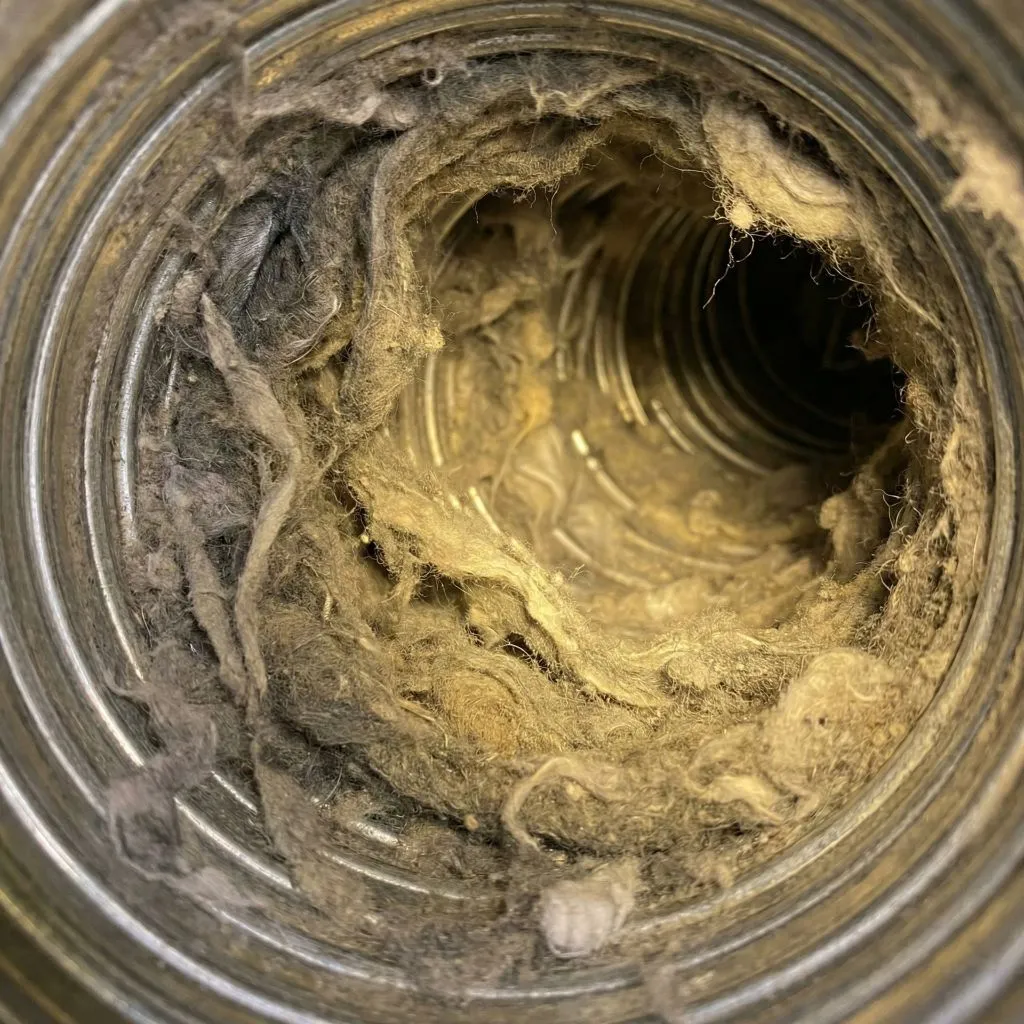
What Dryer Vent Lint Really Is and Why It Does Not Stay in One Place
Dryer lint is made up of tiny fibers released from clothing, towels, bedding, and fabrics during the drying process. These fibers include cotton, polyester, wool, synthetic blends, and even microscopic plastic particles. When heated air pushes through your dryer, it carries lint particles out through the vent system.
While the lint trap catches a portion of these fibers, it does not capture everything. Fine lint particles pass through the screen and move into the vent line. Over time, this material sticks to the interior walls of the vent, especially where moisture, heat, and airflow changes occur.
What makes the dryer vent lint health impact particularly concerning is that lint does not stay confined to the vent. Tiny particles can leak into surrounding areas, circulate back into the home, or mix with household dust. This means lint exposure is not limited to the laundry room. It can affect air quality throughout your home.
Why the Dryer Vent Lint Health Impact Is Often Ignored
The dryer vent lint health impact is easy to overlook because it develops slowly. Unlike visible mold or water damage, lint buildup is hidden behind walls and inside ducts. Most homeowners assume cleaning the lint trap is enough and rarely think about the vent itself.
Another reason the issue is ignored is that symptoms are often subtle at first. Mild coughing, throat irritation, or headaches do not immediately point to dryer lint as the cause. Over time, these symptoms can worsen, but by then, the vent may already be heavily clogged.
Homes today are also more tightly sealed than older homes. This means contaminants that escape from dryer vents are more likely to remain indoors. In many cases, the dryer vent lint health impact is compounded by poor ventilation and limited fresh air exchange.
Five Hidden Health Risks Caused by Dryer Vent Lint Exposure
Respiratory Irritation and Breathing Discomfort
One of the earliest signs of the dryer vent lint health impact is irritation of the respiratory system. Fine lint particles can become airborne and mix with indoor dust. When inhaled, these particles irritate the nose, throat, and lungs.
You may notice frequent throat clearing, coughing, or a feeling of tightness in the chest. For people with allergies, asthma, or sensitive airways, lint exposure can make breathing more difficult. Children and older adults are especially vulnerable because their respiratory systems are more sensitive.
Over time, repeated exposure can lead to chronic irritation that feels normal simply because it has been present for so long.
Worsening Allergies and Increased Sensitivity
Dryer lint is not just fabric fibers. It often contains pollen, pet dander, skin cells, dust mites, and chemical residues from detergents and fabric softeners. When lint builds up inside the vent, these allergens accumulate and can be redistributed into the home.
The dryer vent lint health impact becomes more severe when these allergens trigger immune responses. Sneezing, nasal congestion, itchy eyes, and sinus pressure may increase even in people who never considered themselves allergy sufferers.
Because the source of exposure is hidden, allergy symptoms are often treated without addressing the root cause. As long as lint remains inside the vent system, allergens continue to circulate.
Headaches Fatigue and Poor Indoor Air Quality
Poor indoor air quality affects more than your lungs. One of the lesser known effects of the dryer vent lint health impact is frequent headaches and persistent fatigue. When air contains fine particles and chemical residues, oxygen intake becomes less efficient.
Many homeowners report feeling sluggish, unfocused, or mentally drained without a clear reason. This is especially noticeable in homes where the dryer is used frequently and the vent has not been cleaned in years.
Over time, living in a home with compromised air quality can affect productivity, mood, and overall well being.

Skin Irritation and Sensitivity Issues
Dryer lint particles do not only stay airborne. They settle on furniture, clothing, and skin. When combined with detergent residues and fabric chemicals, lint exposure can contribute to skin irritation.
The dryer vent lint health impact may appear as itching, dryness, rashes, or eczema flare ups, particularly in individuals with sensitive skin. Bedding and clothing exposed to airborne lint can worsen nighttime irritation, making sleep uncomfortable.
Children often experience these symptoms more intensely because their skin is more delicate and they spend more time in close contact with fabrics.
Sleep Disruption and Long Term Health Stress
Clean air is essential for quality sleep. When dryer lint and contaminants circulate through your home, nighttime breathing can be affected. Congestion, coughing, dry throat, and shallow breathing are common signs.
The dryer vent lint health impact on sleep is often overlooked. Poor sleep leads to fatigue, irritability, weakened immune response, and increased stress levels. Over months or years, chronic sleep disruption can contribute to more serious health concerns.
Many homeowners never consider that something as simple as a clogged dryer vent could interfere with their ability to rest properly.
How Dryer Vent Lint Spreads Beyond the Laundry Room
It is easy to assume dryer lint stays confined to the laundry area. In reality, airflow pressure and leaks in the vent system allow particles to escape. Lint can enter wall cavities, crawl spaces, and attics.
In some homes, dryer vents connect improperly or become damaged over time. This allows lint to re enter the home or mix with HVAC air. The dryer vent lint health impact becomes more widespread as lint moves beyond its intended path.
Moist lint buildup also creates an environment where bacteria and mold can grow, further degrading indoor air quality.
Why Routine Lint Trap Cleaning Is Not Enough
Cleaning the lint trap is important, but it addresses only a small portion of the problem. The majority of lint buildup occurs deep within the vent line, far beyond the reach of household cleaning.
Over time, lint layers thicken, restricting airflow and increasing heat retention. This not only raises fire risk but also worsens the dryer vent lint health impact by trapping contaminants and allowing them to circulate back into the home.
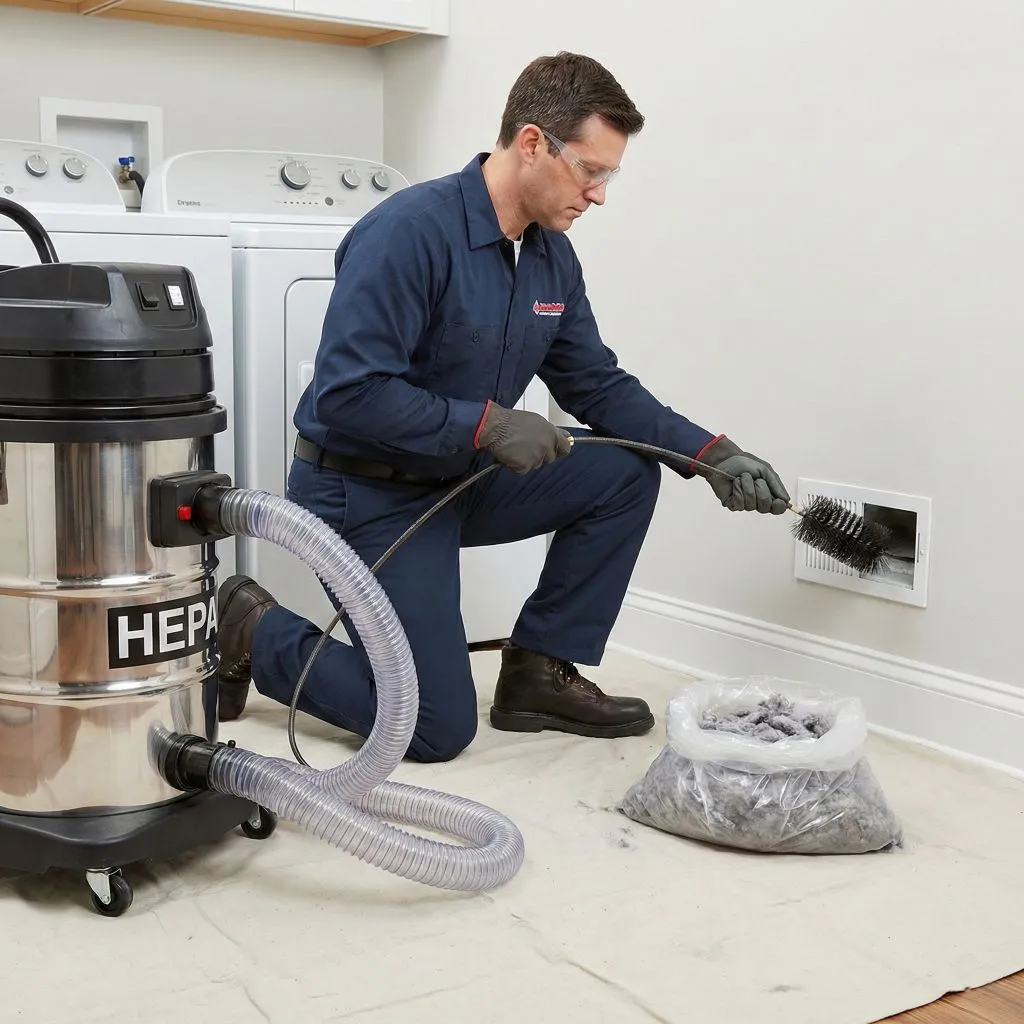
Professional dryer vent cleaning is designed to remove lint buildup completely, restoring proper airflow and reducing exposure to harmful particles.
Signs Your Home May Be Affected by Dryer Vent Lint Buildup
Many homeowners live with symptoms for years without realizing the cause. Common warning signs include clothes taking longer to dry, excess heat in the laundry room, musty odors, and increased dust throughout the home.
Health related signs include coughing, congestion, frequent headaches, skin irritation, and fatigue. If these issues seem persistent, the dryer vent lint health impact should not be dismissed.
How Dryer Vent Cleaning Protects Your Health
Professional dryer vent cleaning removes years of accumulated lint, dust, and debris from the entire vent system. This reduces the number of airborne particles released into your home and improves overall air quality.
Once airflow is restored, dryers operate more efficiently, moisture is expelled properly, and contaminants are less likely to linger. Reducing the dryer vent lint health impact can lead to noticeable improvements in breathing comfort, sleep quality, and energy levels.
For homes with children, pets, or individuals with respiratory sensitivities, regular dryer vent cleaning plays an important role in maintaining a healthy living environment.
Why Northern Virginia Homeowners Trust Air Duct Vet
Air Duct Vet is a veteran owned and BBB accredited company serving Alexandria and surrounding Northern Virginia communities. The team understands how hidden contaminants affect real homes and real families.
Air Duct Vet uses professional grade equipment and thorough inspection methods to address lint buildup safely and effectively. Their approach focuses on both safety and health, helping homeowners reduce the dryer vent lint health impact while improving system performance.
Frequently Asked Questions About Dryer Vent Lint and Health
Yes. Fine lint particles and trapped allergens can escape into the home, contributing to poor air quality and respiratory irritation.
Most homes benefit from professional cleaning every one to two years. Homes with heavy dryer use may need more frequent service to reduce the dryer vent lint health impact.
Yes. Professional cleaning methods are designed to safely remove lint without damaging older vent systems.
Take Control of the Dryer Vent Lint Health Impact in Your Home
The dryer vent lint health impact often develops quietly, but its effects can be far reaching. From breathing discomfort to poor sleep and ongoing fatigue, lint buildup affects more than just your dryer.
Addressing the issue early can protect your health, improve indoor air quality, and create a safer home environment. Clean airflow supports better breathing, deeper sleep, and peace of mind.
If you are ready to reduce hidden health risks and improve the air in your home, professional dryer vent cleaning is a simple and powerful step. Schedule your dryer vent service with Air Duct Vet and take control of the air your family breathes every day.

